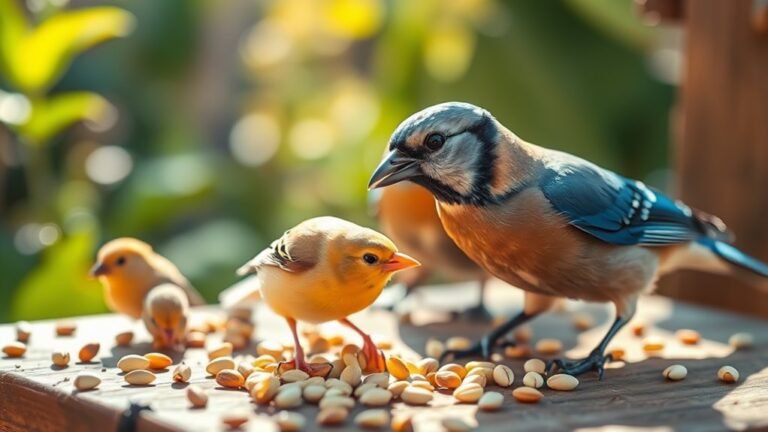

Top 10 Highest Flying Birds in the World: Soaring to New Heights
When we look at the highest flying birds, we find a variety of species that amaze us with their abilities. The Rüppell's Griffin Vulture holds the record for the highest altitude. The Bar-headed Goose also flies at great heights. Each bird has special traits that help them fly so high.
These birds possess unique adaptations that enable them to live in challenging environments. They play important roles in their ecosystems. For example, vultures help clean up carcasses, which benefits the environment.
As we uncover these incredible birds, we learn about their challenges and achievements. This exploration reveals fascinating insights about their lives and habits. Discovering more about them can inspire wonder and appreciation for nature.
Key Takeaways
- The Rüppell's Griffin Vulture is the highest flying bird, reaching altitudes of 37,000 feet.
- The Griffon Vulture can also glide to heights of 37,000 feet.
- The Bar-headed Goose migrates over the Himalayas, flying at 29,000 feet due to its special lungs.
- The Andean Condor, which has a wingspan of over 10 feet, flies above 15,000 feet.
- The Whooper Swan migrates between northern Europe and Asia, flying high during its journey to warmer places.
Whooper Swan

The Whooper Swan is a striking bird known for its elegant appearance and strong wings. It's among the highest flying birds globally.
During migration, Whooper Swans leave their breeding grounds in northern Europe and Asia to travel to warmer areas. They demonstrate impressive flying abilities during this journey.
These swans prefer wetland habitats like lakes and marshes. These locations provide them with food and nesting sites, which are crucial for their survival and reproduction.
As they migrate, Whooper Swans can reach remarkable heights.
Studying their migration patterns and habitats helps us understand their role in the ecosystem. This knowledge deepens our appreciation for these beautiful birds among nature lovers.
Andean Condor
The Andean Condor has a large wingspan and excellent flying skills. It's one of the highest flying birds, reaching over 15,000 feet. This bird is native to South America and has a wingspan that can exceed 10 feet, enabling it to glide on thermal updrafts.
The Andean Condor is a scavenger and plays a critical role in its environment by helping to keep it healthy.
Sadly, habitat loss and hunting have reduced its numbers. Conservation efforts are in place to restore its habitat and raise public awareness about the need to protect this impressive bird.
Join the efforts to help ensure the Andean Condor continues to fly high in the sky for future generations.
Bar-headed Goose

The Bar-headed Goose is known for its ability to fly very high. It can travel over the Himalayas at altitudes above 29,000 feet. This bird has special features that help it survive in low-oxygen environments.
Here are some important traits of the Bar-headed Goose:
- Efficient Respiration: Its lungs are structured for better oxygen extraction.
- Metabolic Adaptability: It has a high metabolic rate to support long flights.
- Wing Structure: Its long, pointed wings reduce drag during flight.
- Social Behavior: They migrate in flocks for safety and better navigation.
The Bar-headed Goose showcases impressive resilience and adaptability, earning its reputation as one of the highest-flying birds.
Griffon Vulture
The Griffon Vulture soars high, reaching altitudes of up to 37,000 feet. This bird masters high-altitude flight.
You can find Griffon Vultures in rocky cliffs and open grasslands across Europe, North Africa, and parts of Asia. They often live in colonies and use body language and vocal sounds to communicate, especially during feeding times.
Their sharp eyesight allows them to spot carrion from far away, making them important scavengers in the ecosystem. Some pairs form lifelong bonds, strengthening their social groups.
Learning about the Griffon Vulture's behaviors and habitats helps us appreciate them more and highlights the need to protect these remarkable birds in their natural environments.
Tibetan Black Crane

The Tibetan Black Crane is known for its striking looks and strong flying skills. These birds can fly at altitudes above 16,000 feet in the Himalayas. They thrive in their natural Tibetan habitat and show great adaptability.
Their migration is crucial for survival and follows seasonal changes.
Here are four key facts about the Tibetan Black Crane:
- Diet: They mainly eat insects and grass seeds.
- Breeding: They build nests in remote wetlands for safety.
- Social Structure: They often gather in small, close-knit groups.
- Conservation Status: They're classified as vulnerable, which shows the need for conservation efforts.
Knowing these facts helps you understand the Tibetan Black Crane's journey and its role in the ecosystem.
Red-billed Chough
The Red-billed Chough is a remarkable bird known for its flying ability. It can reach heights over 20,000 feet in mountainous areas. This bird lives in rocky slopes and alpine meadows, thriving in habitats found across the Himalayas and European mountain ranges.
The Red-billed Chough is agile when it forages for food, mainly insects and berries. These birds usually forage in groups, highlighting their social nature. Their red bill is helpful for pecking at crevices to find hidden food.
Watching them soar against the mountains shows how well they're adapted to high-altitude living. Their resilience makes them a fascinating species to observe.
Rüppell's Griffin Vulture
Rüppell's Griffin Vulture is the highest-flying bird, reaching altitudes of up to 37,000 feet. This bird lives mainly in mountainous areas of North Africa and the Middle East, where the landscape offers strong thermal updrafts.
Here are some essential facts about Rüppell's Griffin Vulture:
- Altitude Record: It flies higher than any other bird.
- Habitat Preference: It prefers open, mountainous terrains.
- Diet: It mostly eats carrion as a scavenger.
- Flight Efficiency: It glides with ease, saving energy during long flights.
Rüppell's Griffin Vulture showcases impressive flying abilities, making it a remarkable species in the bird world.
Common Crane
Common Cranes are fascinating migratory birds known for their beauty and unique courtship dances. They travel thousands of miles from their breeding areas in Europe to their winter homes in Africa and South Asia. This journey shows their strong navigation skills and adherence to established flight paths.
During the breeding season, Common Cranes nest in wetlands. They build nests using grasses and other plants. Males perform intricate dances to attract females. These dances include specific movements and calls. This ritual helps form strong pair bonds and ensures successful mating.
As a birdwatcher, seeing Common Cranes in their natural habitat can deepen your appreciation for nature and its incredible wildlife.
Egyptian Vulture
The Egyptian Vulture is a unique scavenger that plays a vital role in its ecosystem. This bird has interesting behaviors that help it survive.
Here are some important facts about Egyptian Vulture behavior and habitat:
- Feeding Habits: The Egyptian Vulture mainly eats carrion. This means it helps clean up the environment by consuming dead animals.
- Nest Sites: It prefers to nest on cliff ledges or rocky outcrops. These locations offer safety and a good view of its surroundings.
- Social Structure: Egyptian Vultures often gather in groups. They show interesting social interactions while feeding and raising their young.
- Migration Patterns: These vultures travel long distances. They can adapt to different environments, from deserts to mountains.
Learning about the Egyptian Vulture helps us appreciate the diversity of wildlife in its habitat.
White Stork
The White Stork is a unique bird recognized for its long legs and striking black and white feathers.
These birds live mainly in wetlands, grasslands, and agricultural fields. They migrate from Europe and Western Asia to Africa during winter, often traveling thousands of miles.
As they fly, you can see their strong wings enabling smooth gliding. Their migration timing is crucial; they come back to their nesting sites in spring, when food becomes available.
Learning about their habits deepens your appreciation for these beautiful birds and their environments.
Frequently Asked Questions
What Is the Typical Lifespan of These High-Flying Birds?
High-flying birds have varied lifespans. Their age can depend on factors such as species, habitat, and environmental conditions. Generally, these birds live between 15 and 60 years. Understanding their lifespan can help in bird conservation efforts and habitat preservation.
How Do These Birds Navigate at High Altitudes?
At high altitudes, birds use specific adaptations to survive. They have special vision that helps them see far distances. Their lungs are also built to take in more oxygen.
To find their way, these birds use clear landmarks, like mountains and rivers. They can also sense the Earth's magnetic field to stay on course. This helps them fly accurately and efficiently in the sky.
What Are Their Primary Diets and Feeding Habits?
These birds have varied diets. They mainly eat insects, small mammals, and plant material. Some birds scavenge for food, while others hunt. This ability helps them survive in different environments and adjust to seasonal changes in food supply.
Do These Birds Migrate and if So, Where?
Yes, these birds migrate. They follow set routes during migration. These routes can change with the seasons and environmental conditions. They search for good places to breed and feed at different times of the year. This helps them survive and thrive in their habitats.
What Threats Do High-Flying Birds Face Today?
High-flying birds face serious threats today. Two main issues are climate change and habitat loss. Climate change alters their migratory routes. Habitat loss reduces the areas where they can breed and find food. These changes put their survival at risk and harm the ecosystems they rely on. Protecting these birds is crucial for maintaining biodiversity and a healthy environment.

Ava is a bird enthusiast and nature lover who has spent countless hours observing and learning about the fascinating world of birds. With a passion for sharing her knowledge and inspiring others to appreciate the beauty of birds, Ava writes about her experiences and insights on avianadmirer.com.