Biggest Bird That Flies: Exploring Large Avian Species
When we look at large bird species, their size and adaptability stand out. The Wandering Albatross and the Andean Condor are remarkable not just for their wingspan but also for their important roles in nature. Each bird provides valuable lessons about survival and the environment. As you learn more, think about what these large birds show us about how flight works and the health of our ecosystem.
Key Takeaways
- The Wandering Albatross has the largest wingspan of any bird, reaching up to 12 feet.
- The Andean Condor has a wingspan of about 10 feet and flies high over the Andes Mountains.
- The Great Bustard is the heaviest flying bird, with male adults weighing up to 40 pounds.
- California Condors are part of conservation efforts to prevent extinction and restore their populations.
- Eurasian Griffin Vultures are known for their large wingspan and help keep ecosystems balanced by scavenging.
The Wandering Albatross: The Champion of Wingspan
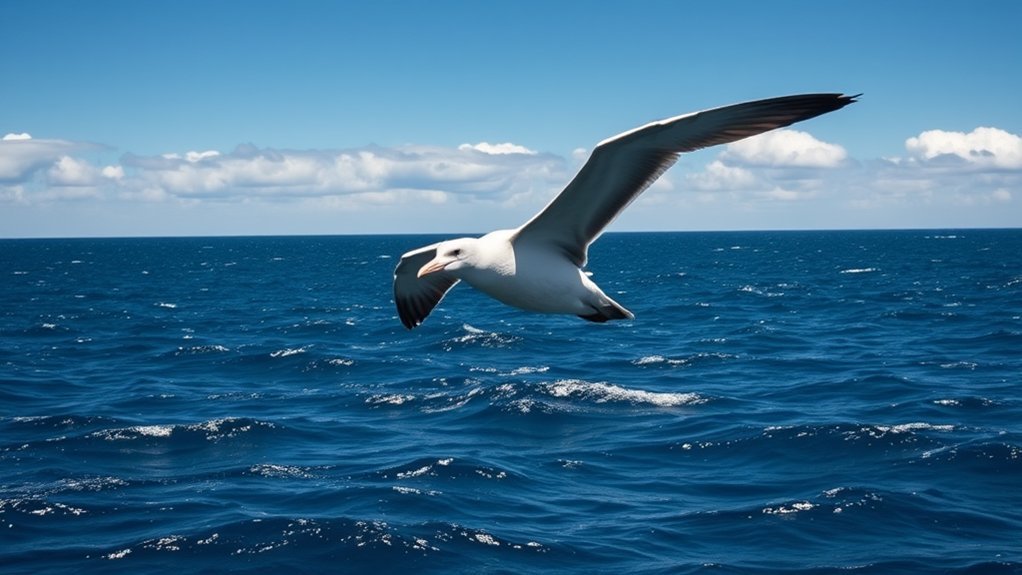
The Wandering Albatross has the largest wingspan of any bird, averaging up to 12 feet. This bird soars through the sky, using dynamic soaring techniques to travel great distances. Its wings catch ocean winds, allowing it to glide for thousands of miles without much effort.
This skill is crucial for its survival as it looks for food over vast ocean areas.
Watching the Wandering Albatross in its natural habitat shows a strong social structure. These birds form bonds that enhance their survival and cooperation.
The Wandering Albatross represents freedom, living high in the skies, and highlights the beauty and strength found in nature.
The Andean Condor: Master of the Skies
The Andean Condor is one of the largest flying birds. It has a wingspan of about 10 feet. This bird flies high in the Andes mountains. It uses warm air currents to glide, saving energy as it soars.
The Andean Condor looks for carrion, which is its main food source. These birds form strong pairs and often rest together on cliffs. Their beauty impresses many people, and they play a vital role in the ecosystem.
The Andean Condor symbolizes freedom and resilience in the sky, making it a fascinating creature to observe.
The Eurasian Griffin Vulture: Scavenger Extraordinaire
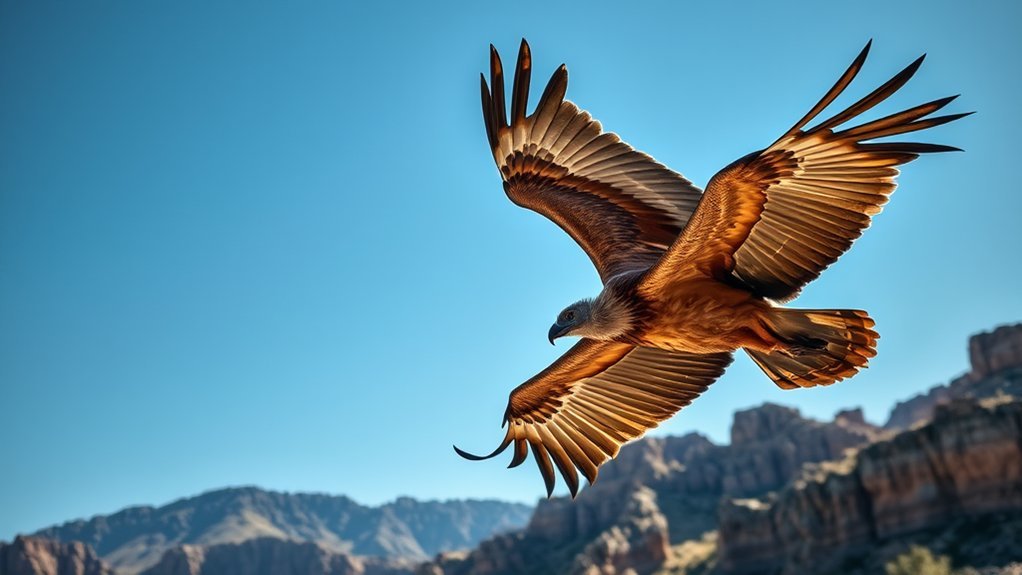
The Eurasian Griffin Vulture soars high in the skies of Europe and Asia. This bird is a skilled scavenger. It has excellent eyesight that helps it spot dead animals from far away. The vulture often forages in groups, making it easier and safer to find food. It pays attention to other scavengers to locate carrion more effectively.
When food becomes scarce, these vultures change their foraging habits. This adaptability reflects their survival skills.
Learning about the Eurasian Griffin Vulture can deepen your appreciation for nature. It also shows how wildlife interacts to keep the environment balanced.
The California Condor: A Conservation Success Story
The California Condor is a success story in conservation. Once nearly extinct, this impressive bird has made a significant comeback. Focused programs have helped restore its habitat and allowed its populations to grow.
Teams have worked hard on reintroducing the California condor into the wild. Today, these beautiful birds soar in the skies of California, Arizona, and Utah, searching for food.
The California Condor represents hope. It shows that human efforts can help revive endangered species.
As a community invested in bird conservation, we celebrate the return of the California Condor. This success emphasizes the positive impact we can have when we unite for a common cause.
The Great Bustard: The Heaviest Flying Bird
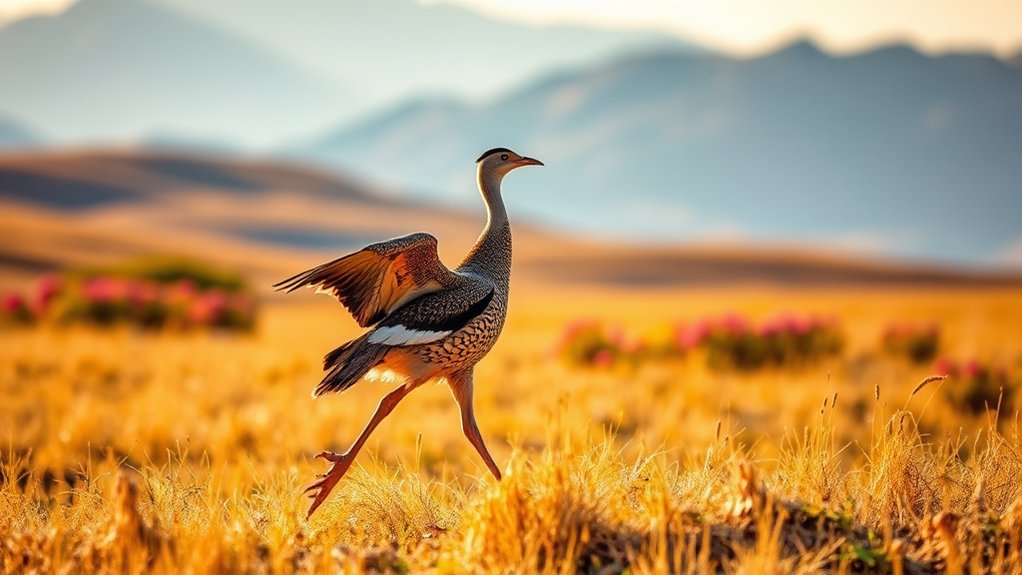
The Great Bustard is the heaviest flying bird in the world. Adult males can weigh up to 40 pounds. Their large size, interesting behaviors, and habitats make them a wonder to see in nature.
- They typically inhabit open grasslands and steppes.
- They perform striking courtship displays.
- Despite their size, they can run quickly.
- During mating season, they make various vocal sounds.
Great Bustards adapt well to their environments. They often search for seeds and insects in agricultural areas.
They prefer open landscapes, which help them find food and stay visible to avoid predators. Observing these birds in the wild adds to the enjoyment of birdwatching.
The Common Eider: Expert Diver and Flyer
The Common Eider is a notable duck species. It excels at diving and flying. These birds forage on the ocean floor for mollusks, showcasing their diving abilities. They prefer coastal waters and cold regions, often nesting on islands.
During migration, Eiders embark on long journeys. This demonstrates their strength and resilience.
However, conservation efforts for Eiders are important due to habitat loss and changing ocean conditions. Supporting these initiatives helps protect the Common Eider. This ensures future generations can see these ducks gliding gracefully through water and air.
The Marabou Stork: The Carrion-Eating Giant
The Marabou Stork is a large bird known for eating carrion. It has special features that help it live in many different places. Its size and behavior show how it fits into the ecosystem.
- It has long wings that help it soar high in the sky.
- Its head and neck are bare, making it easier to eat decaying animals.
- It has a strong digestive system that can handle rotten food.
- The stork often feeds in groups, showing its social nature.
These traits help the Marabou Stork survive and highlight its importance in nature. This bird connects us to the environment we share.
The Lesser Sand-Plover: Tiny but Mighty Long-Distance Flyer
The Lesser Sand-Plover measures about six to seven inches long. This small bird is an excellent long-distance flier. It migrates thousands of miles between its breeding and wintering locations. Its migration patterns show strong instincts for timing and geography, enabling it to reach prime breeding sites.
During the breeding season, the Lesser Sand-Plover has specific habits. It prefers sandy or pebbly places for nesting. The bird lays its eggs in shallow scrapes, which provide a suitable environment for the young birds to grow.
Understanding the behaviors of the Lesser Sand-Plover enhances your appreciation for this remarkable bird. It also connects you to the broader community of migratory birds worldwide.
The Red-tailed Hawk: Agile Hunter of the Skies
The Red-tailed Hawk is known for its sharp eyesight and strong hunting skills. This bird can adapt to different environments across North America.
When watching this bird, you'll see how it uses effective hunting methods to succeed in both rural and urban areas.
- It can see prey from high in the sky.
- Its powerful talons grip and hold onto its catch.
- The hawk can soar gracefully to cover large distances while hunting.
- It migrates seasonally to find food and breeding locations.
Red-tailed Hawks travel thousands of miles during migration, showing their strength and resilience.
The African Grey Parrot: Social Giants of the Avian World
The African Grey Parrot is known for its high intelligence and social nature.
These birds require interaction with humans and other birds. They form strong bonds and show emotions and empathy.
One of their key skills is vocal mimicry; they can imitate speech and various sounds accurately. This ability helps them connect with humans and demonstrates their cognitive skills.
When you interact with an African Grey, you'll see how their personality and communication make them distinct.
They highlight the importance of connection and understanding in life.
The Shoebill: Prehistoric Appearance and Behavior
The Shoebill is an impressive bird that seems to come from a prehistoric time. Its large, shoe-shaped bill and tall stature make it stand out in the wetlands of Africa.
- The Shoebill has a massive bill that helps it catch fish effectively.
- It can stand up to 5 feet tall.
- It stalks its prey in a motionless manner, much like a skilled hunter.
- This bird has a strong and silent presence in its natural habitat.
These traits show its ancient ancestry and its need to survive by using smart hunting skills.
Observing the Shoebill offers a fascinating glimpse into the life of a remarkable bird, evoking a sense of wonder in anyone who sees it.
The Kakapo: The Flightless Wonder of New Zealand
The Kakapo is a flightless parrot from New Zealand. This bird stands out with its bright green feathers.
It's active at night, moving around the forest floor. The Kakapo faces many challenges, leading to conservation efforts to help its population grow.
Learning about the Kakapo's habits and environment raises awareness about bird conservation. As part of a community that cares about nature, you play a role in protecting the Kakapo and its habitat.
Saving the Kakapo is also about maintaining biodiversity for future generations. Your interest and support can make a difference.
The Flight of the Flamingos: Beautiful in Formation
Flamingos fly gracefully in the sky, showcasing nature's beauty. Their migration patterns reveal interesting flamingo behavior as they travel in large, synchronized flocks.
Watching them in flight, you can see:
- Their striking pink color against the blue sky
- Their long necks and legs held in perfect alignment
- Their V-shaped formation that improves flight efficiency
- The rhythmic movement of their wings, working together to save energy
These birds travel long distances using their strong social connections and instinctive signals.
Flamingos live in harmony, showing the importance of community and creating a stunning visual display that highlights our appreciation for nature.
Frequently Asked Questions
What Adaptations Help Large Birds Fly Efficiently?
Large birds have special features that help them fly well. Their long wings produce lift effectively. Strong muscles let them flap powerfully and for long periods. This helps them soar smoothly while using less energy. These adaptations allow large birds to travel great distances while conserving their strength.
How Do These Birds Navigate During Migrations?
Birds use magnetic fields and visual landmarks to navigate during migrations. They follow the Earth's magnetic signals and look for familiar features to help them find their way. This method allows them to travel to their destinations effectively.
What Threats Do Large Flying Birds Face Today?
Large flying birds face many threats today. Habitat loss from urban development reduces their living space. Climate change alters their environments, making it harder for them to survive. Human activities interfere with their breeding areas, impacting their reproduction. Food scarcity arises as ecosystems change, leading to fewer resources for these birds. These factors all significantly affect their survival.
How Long Can These Birds Live on Average?
Large flying birds typically live for 10 to 50 years. Their lifespan depends on habitat, food supply, and environmental dangers. Knowing these factors helps you understand how these birds survive and thrive.
Are Large Birds Generally Solitary or Social?
Large birds show a mix of social behaviors. Some large birds prefer to live alone, while others like to be part of groups. Social birds often work together and share activities. Observing their interactions can enhance your understanding and enjoyment of these amazing creatures.

Ava is a bird enthusiast and nature lover who has spent countless hours observing and learning about the fascinating world of birds. With a passion for sharing her knowledge and inspiring others to appreciate the beauty of birds, Ava writes about her experiences and insights on avianadmirer.com.