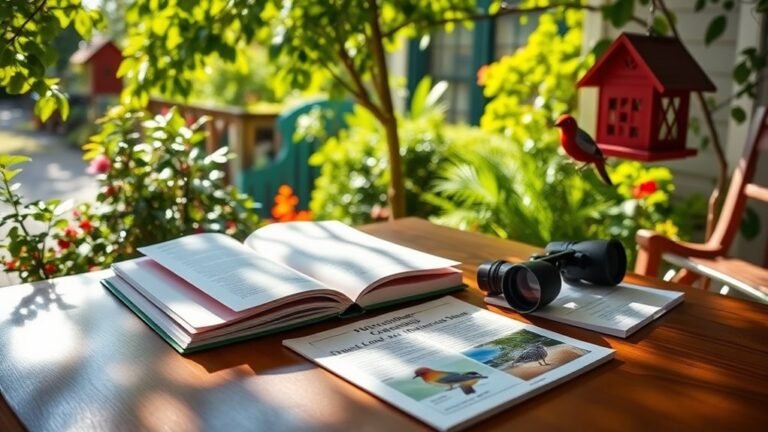
• What Birds Like Grape Jelly? Attracting Orioles and More

    To attract colorful birds like orioles to your backyard, use grape jelly. This sweet treat attracts not only orioles but also mockingbirds and bluebirds, especially during migration and breeding seasons. To set up your jelly feeder effectively, follow these simple steps. First, choose a feeder designed for jelly. These feeders often have a flat dish or a small bowl to hold the jelly and allow birds easy access. Place the feeder in a visible location, ideally near trees or bushes where birds like to perch. Next, fill the feeder with grape jelly. Ensure the jelly is fresh and free from preservatives. A small amount is sufficient since birds will return to eat more. Check the feeder regularly. Clean it to prevent mold, and refill the jelly as needed. This will keep the feeding area inviting for your feathered visitors. By creating a suitable environment with grape jelly, you can enjoy watching these beautiful birds in your yard.

  • Birds of Prey in Awendaw, South Carolina: Raptors of the Lowcountry

    Raptors are vital to the ecological balance in Awendaw, South Carolina. They help control small mammal and insect populations, which shows that the environment in the Lowcountry is healthy. However, these birds face serious problems. Habitat loss and pesticide exposure threaten their survival. By learning about their breeding habits and the challenges they face, we can better understand their role in this ecosystem. The important question is: how can we protect these amazing species and their habitats? Let’s explore ways to ensure their survival and maintain the ecological balance they support.

  • Bird Park in North Carolina: Exploring Avian Attractions

    Bird Park in North Carolina is a serene place for nature lovers. You can stroll along beautiful paths and enjoy vibrant gardens while watching amazing birds. Look for the rare Red-cockaded Woodpecker and the majestic Bald Eagles. The park also offers fun activities and informative programs, which help you learn more about wildlife. What more can you discover during your visit to this lively sanctuary?

  • Bird Island, North Carolina: A Haven for Coastal Birds

    Bird Island, North Carolina, is a vital sanctuary for coastal birds. It provides diverse ecosystems that serve as essential habitats. This area is an important breeding ground, highlighting the balance of nature present here. Each season brings a variety of migratory birds, giving ample chances for observation. Studying these interactions showcases the beauty and delicacy of this environment. It raises important questions about conservation and the effects of human activity. Bird Island stands as a reminder of the need for protecting such precious habitats.

  • Lady Bird Deed in North Carolina: Legal Insights for Bird Lovers

    If you own property in North Carolina, the Lady Bird Deed can greatly influence your estate planning. This special deed allows you to keep control of your property while ensuring it transfers smoothly to your beneficiaries after you pass away. It offers clear advantages over traditional estate planning. Understanding its benefits and legal aspects can help you protect your legacy. Let’s look at what makes this deed an appealing option.

  • Carolina Bird Club Sightings: Updates From the Field

    The Carolina Bird Club provides updates on local bird sightings and changes in bird behavior. Recent reports show shifts in migratory patterns and nesting habits. Observers noted Hooded Mergansers and the unique calls of the Black-throated Blue Warbler. These changes connect to climate shifts and conservation efforts in the community. Local birders are adjusting their observation methods to keep up with these trends.

  • Bird Houses for Carolina Wrens: Attracting These Songsters

    Building birdhouses for Carolina wrens is more than just a project; it creates a suitable home for them. Focus on the size, design, and materials to attract these birds. Good construction ensures their comfort and safety. However, a well-built birdhouse alone isn’t sufficient. Other factors can improve your chances of bringing these songbirds into your yard. Knowing these elements will boost your efforts. To attract Carolina wrens, choose a birdhouse with a depth of 6 to 8 inches and a height of 6.5 to 10 inches. The entrance hole should be about 1.25 inches wide. Use untreated wood or cedar for durability and comfort. Ensure proper ventilation and drainage to keep the house dry. Place the birdhouse in a sheltered area, preferably near shrubs or trees. Carolina wrens prefer places that offer cover. Make sure it is at least 5 to 10 feet off the ground to provide safety from predators. Consider adding nesting materials like dried grass or twigs near the entrance to attract them further. Keeping the area around the birdhouse clean will also encourage exploration. Understanding these factors will significantly improve your chances of drawing Carolina wrens to your home. Creating a welcoming space will bring these delightful songsters closer for you to enjoy.

  • North Carolina Backyard Birds: Familiar Flyers

    In North Carolina, you can see many interesting backyard birds. Common birds include the bright Northern Cardinal and the friendly Carolina Chickadee. Watching these birds helps you learn about their habits, how they adapt to city life, what they like to eat, and their territory. Observing these birds can make your outdoor time more enjoyable and allows you to think about their important roles in nature. How do these birds contribute to your local environment?

  • Backyard Birds of South Carolina: Common Visitors

    When you go outside in South Carolina, you will see many different types of backyard birds. The Northern Cardinal, with its bright red color, attracts attention against the green trees and plants. The joyful calls of the Carolina Wren add a pleasant sound to the surroundings. Watching how these birds interact can help you learn about their habits and homes. You might also spot other interesting birds that can make your yard a lively place.

  • Bird Sanctuary in North Carolina: Protecting Avian Habitats

    Bird sanctuaries in North Carolina protect important habitats for many bird species. These areas support both migratory and resident birds, helping them survive environmental changes. As habitat loss increases, sanctuaries focus on conservation and restoration efforts to save sensitive ecosystems. Climate change affects bird populations, making it vital to understand these connections. Local partnerships play a significant role in enhancing conservation initiatives. Interested in learning more about the success of these efforts?