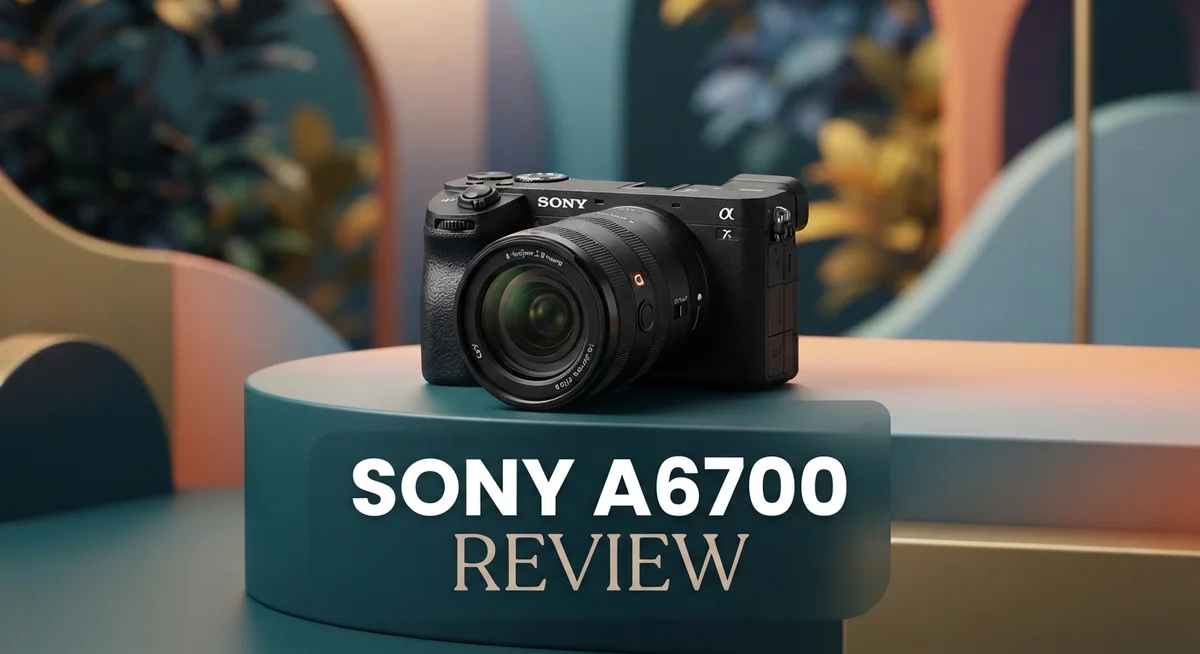
Sony A6700 Mirrorless Camera Review: Should You Buy This?
The Sony A6700 is a mirrorless camera built for creators who want more. It packs a 26MP APS-C sensor into a compact body. This camera handles photos and videos with equal skill.
Sony gave this camera a dedicated AI processor. This chip powers smart subject recognition and real time tracking. Your subjects stay sharp, even when they move fast.
Video shooters will love the 4K capability here. The fully articulated LCD screen makes vlogging and creative angles simple. You can flip it, twist it, and frame your shot from any position.
Image quality stands out as one of its biggest strengths. Colors look natural, and exposure control feels precise in most situations. Low light performance holds up well until you push the ISO too high.
This review breaks down every feature that matters. We will look at autofocus, burst shooting, and battery life. You will also see how it compares to other Sony models and rival brands.
By the end, you will know if the Sony A6700 fits your creative needs. Let’s jump into what makes this camera tick.
In a Nutshell
Here is the quick summary for anyone short on time.
-
Sensor and Processing: The camera packs a 26MP APS-C sensor paired with the BIONZ XR processor. This combo handles detail and color with real skill.
-
Smart Autofocus: The dedicated AI processor drives subject recognition that actually works. It tracks people, animals, and moving objects without much fuss.
-
Built for Video: Content creators get a fully articulated screen that flips for vlogging and selfie angles. Recording feels smooth and reliable across most conditions.
-
Handling Quirks: There is no AF joystick on this body. You will need the touchscreen instead, which some photographers find slower.
-
Burst Limitations: Shooting at 11fps sounds great on paper. But the buffer fills up fast, so long bursts are not this camera’s strength.
-
Noise at High ISO: Push past ISO 12,800 and you will notice color artifacts creeping in. Low light shooters should keep this in mind.
This camera suits hybrid shooters who need strong stills and solid video in one body.
Sensor and Image Quality
The 26MP APS-C BSI-CMOS sensor sits at the heart of what makes the A6700 shine for image capture. This sensor size strikes a sweet spot between resolution and light sensitivity. You get enough megapixels for large prints and cropping flexibility without sacrificing low light performance.
The BIONZ XR processor handles all image data with speed and precision. It works alongside a dedicated AI processor that focuses on one job: making autofocus smarter. This dual processor approach means faster image processing and more reliable subject tracking in real world shooting conditions.
Color science and dynamic range are where this camera truly excels. Sony’s color profiles produce skin tones that look natural without excessive tweaking in post. The sensor captures highlight and shadow detail that gives you room to adjust exposure in editing.
Low ISO performance is where the A6700 shines brightest. Images at ISO 100 to ISO 3200 show minimal noise and excellent clarity. The sensor handles these ranges with confidence, giving you clean files ready for professional use.
High ISO performance requires more caution. Once you push past ISO 12,800, color artifacts become visible. Luminance noise stays manageable, but chroma noise introduces color speckles that can distract from your subject. Most hybrid shooters stay below this threshold for critical work.
The BSI design (backside illuminated) helps the sensor pull in more light than traditional layouts. This matters when you shoot in dim conditions or want shallow depth of field without cranking ISO. The benefit becomes obvious during indoor video or evening photography sessions.
Real-world image quality from the A6700 matches or exceeds cameras at similar capability levels. Autofocus accuracy directly impacts sharpness, and the AI processor keeps focus locked on moving subjects. Whether you shoot portraits, landscapes, or fast-action moments, the sensor delivers files with excellent detail and pleasing color rendition.
The combination of sensor technology and processing power makes the A6700 a reliable choice for creators who demand consistency. You can trust the files you get, even in challenging lighting situations.

- Sony USA Authorized. Bundle Includes: Sony Alpha a6700 Mirrorless Camera with 18-135mm Lens, 2 x 64GB Memory Card, 3 Piece...
- The Sony a6700 Mirrorless Camera seamlessly combines Sony's Cinema Line innovations with the acclaimed α-series still-image...
- Experience the magic of cinematic video with the Sony a6700. Its advanced AI-powered autofocus and image stabilization...
Last update on 2026-07-24 / Affiliate links / Images from Amazon Product Advertising API
Design and Build Quality
The Sony A6700 feels solid in your hands from the moment you pick it up. The magnesium alloy body resists bumps and drops better than plastic alternatives. Sony kept the weight reasonable at around 500 grams with the battery, so your arms won’t tire during long shooting sessions.
The grip design wraps your fingers naturally. Your thumb finds a comfortable rest spot on the back plate. This matters when you are holding the camera for hours at events or on location shoots.
The fully articulated LCD screen is a game changer for content creators. You can flip it forward for selfie angles or rotate it to frame shots from unusual positions. The screen itself responds quickly to touch, though some users prefer a physical AF joystick for faster focus point selection. Sony removed the joystick on this model, leaving touchscreen control as your main option.
Build quality shows attention to detail throughout. The shutter button feels crisp and responsive. The mode dial clicks into place with satisfying precision. All buttons sit where your fingers expect them, reducing the learning curve if you own other Sony cameras.
Weather sealing gets a mention here. Sony added dust and moisture resistance to key areas. This protection gives you confidence shooting in light rain or dusty environments. You won’t get full submersion protection, but casual weather won’t damage the camera.
The USB-C port sits on the side and supports fast charging. This modern connection standard means you can use common cables instead of proprietary chargers. Battery life runs around 410 shots per charge under normal conditions.
The camera body maintains Sony’s compact mirrorless design philosophy. It is noticeably smaller than full frame competitors like the A7 IV. This size advantage matters when you travel or shoot all day without a heavy camera bag.
Overall, the A6700 balances durability with portability. The build quality matches or exceeds what you find in this category. Creators get a camera that feels professional without unnecessary bulk or weight.
Video Capabilities and Performance
The Sony A6700 delivers impressive video performance that appeals to content creators and hybrid shooters. The fully articulated LCD screen flips out and rotates to any angle, making it easy to frame shots from unconventional perspectives. You can flip the screen toward you for vlogging or selfie content without breaking your workflow.
The camera records 4K video with solid color reproduction and dynamic range. The BIONZ XR processor ensures smooth footage with minimal processing artifacts. You get real-time tracking that follows your subject automatically, which saves time during editing and keeps your footage sharp even when your subject moves across the frame.
AI-based subject recognition works exceptionally well for video work. The camera identifies and locks onto people, animals, and vehicles with impressive accuracy. This feature reduces the need for constant manual focus adjustments, allowing you to concentrate on composition and storytelling instead.
The dedicated AI processor runs alongside the main image processor. This dual processing setup means autofocus performance stays responsive even during demanding video sequences. You won’t experience the lag or hunting that plagues some competitors in this category.
One limitation emerges when you need precise focus control. The absence of an AF joystick means you must rely on touchscreen adjustments to shift focus points during recording. Many videographers prefer a physical joystick for this task, but the touchscreen workaround functions adequately once you adapt to it.
USB-C charging adds convenience for creators on the go. You can power the camera from portable batteries or standard USB-C power banks between shoots. This flexibility matters when you’re filming multiple events in a single day.
The compact body size keeps the camera portable without sacrificing screen functionality or video capabilities. The articulated screen combined with real-time tracking makes the A6700 a practical choice for solo content creators who shoot stills and video. You get professional-grade video features in a package that doesn’t demand a large bag or extensive support gear.
Top 3 Alternatives
Canon EOS R6 Mark II

- Items Included: Canon EOS R6 Mark II Mirrorless Camera, Canon LP-E6NH Battery (7.2V, 2130mAh), Canon LC-E6 Charger, Canon...
- 24.2MP Full-Frame Image Power: The Canon EOS R6 Mark II is equipped with a cutting-edge 24.2MP full-frame CMOS sensor and...
- Next-Generation Autofocus with Deep Learning AI: Powered by Canon’s Dual Pixel CMOS AF II, the R6 Mark II provides fast and...
Last update on 2026-07-24 / Affiliate links / Images from Amazon Product Advertising API
The Canon EOS R6 Mark II stands out as a full-frame powerhouse for serious photographers. This camera delivers exceptional autofocus performance with 1,053 AF points that cover nearly the entire frame. You get 4K 60fps video recording, which makes it ideal for content creators.
The battery life impresses users who shoot all day. You can capture approximately 680 shots per charge. The weather-sealed body handles tough conditions without breaking a sweat. Fast continuous shooting at 12fps keeps up with fast-moving subjects.
Nikon Z6 III

Last update on 2026-07-24 / Affiliate links / Images from Amazon Product Advertising API
Nikon’s Z6 III brings professional-grade features to a compact body. The advanced autofocus system tracks subjects with remarkable accuracy across 100% of the frame. This camera records 8K video, pushing creative boundaries beyond standard formats.
You’ll appreciate the silent electronic shutter for discreet shooting. The buffer capacity allows extended burst sequences without slowing down. Dual SD UHS-II card slots give you backup storage options. Impressive low-light performance makes night photography manageable without excessive noise.
Fujifilm X-T5

- This Fujifilm Mirrorless Digital Camera Bundle Includes: Fujifilm X-T5 Mirrorless Digital Camera with Lens (Black) + Fujifilm...
- Capture stunning images with the FUJIFILM X-T5, featuring a 40MP APS-C X-Trans CMOS 5 HR BSI sensor for exceptional detail...
- Elevate your videography with the X-T5’s 6.2K recording at 30p in 4:2:2 10-bit color, complemented by F-Log2 for an...
Last update on 2026-07-24 / Affiliate links / Images from Amazon Product Advertising API
Fujifilm’s X-T5 appeals to photographers who value image aesthetics and compact design. The camera features distinctive film simulation modes that produce gorgeous colors straight from the sensor. You don’t always need heavy post-processing with these built-in profiles.
The X-T5 offers 4K 60fps video in a lightweight package. The retro design includes a tactile film simulation dial for quick adjustments. Weather-resistant construction protects against dust and moisture during outdoor shoots. Excellent battery efficiency means you capture more images per charge than many competitors.
Autofocus and Subject Recognition
The Sony A6700 brings serious autofocus muscle to the table with its AI powered tracking system. This camera locks onto subjects and holds tight, even when they move unpredictably across your frame.
The dedicated AI processor works alongside the main image engine to recognize people, animals, and vehicles in real time. You get instant subject detection the moment you half press the shutter button. The system identifies eyes, faces, and entire bodies with impressive accuracy.
Real time tracking keeps your subject sharp as they walk, run, or turn away from you. The camera adjusts focus points continuously without you touching anything. This hands off approach works great for event shooters, vloggers, and wildlife photographers who need consistent results.
Animal eye AF performs remarkably well on birds and pets. The system detects the eye area and maintains focus even during rapid movement. You can trust it to catch the decisive moment without hunting or missing focus.
One practical note: the A6700 lacks an AF joystick on the back. You’ll use the touchscreen to shift focus points instead. This works smoothly once you get used to it, though some shooters prefer a dedicated joystick for faster adjustments during video work.
The autofocus system excels in both stills and video modes. Video tracking remains smooth and predictable, avoiding sudden focus shifts that ruin footage. The processor handles multiple subjects intelligently, staying locked on your chosen target even when other people enter the frame.
Low light autofocus performance stays reliable down to very dim conditions. The phase detection system pairs with contrast detection for robust focusing in challenging situations. You won’t experience the focus hunting that plagues some cameras in dim venues or overcast outdoor scenes.
The bottom line: the A6700’s autofocus and subject recognition system delivers professional grade performance for hybrid shooters. It removes focus anxiety from your workflow and lets you concentrate on composition and storytelling instead.
Handling and Usability
The Sony A6700 handles like a dream once you settle into its workflow. Your fingers find the grip naturally, and the camera sits comfortably in your hands during long shooting sessions. The body feels substantial without being bulky, which matters when you’re moving between locations throughout the day.
Navigation happens through a mix of physical buttons and the touchscreen. The menu system responds quickly thanks to the BIONZ XR processor. You can customize button layouts to match your shooting style, which saves time when you need fast adjustments. The articulated LCD screen flips out easily and rotates in multiple directions, making it simple to shoot from awkward angles or frame yourself for vlogging.
One thing you’ll notice immediately: there’s no AF joystick on the back. This takes some adjustment if you’ve used other cameras. The good news is the touchscreen works as a workaround. You tap where you want focus, and the camera responds instantly. Many users adapt to this quickly, though some prefer a dedicated joystick for video work.
The USB-C port makes charging and data transfer straightforward. You can power the camera from any USB-C source, which is convenient when traveling. The battery life gets you through a full day of shooting with moderate use, though video work drains power faster.
Button placement feels intuitive once you learn the layout. The shutter button sits in the right spot, and your thumb reaches the back controls without strain. The mode dial clicks satisfyingly into place, giving you tactile feedback for each selection.
Real time tracking simplifies your workflow significantly. The AI processor recognizes subjects automatically, so you spend less time hunting for focus and more time capturing moments. This feature shines during video work, where maintaining focus manually would be exhausting.
The compact mirrorless design keeps everything accessible without overwhelming you with controls. The A6700 strikes a balance between functionality and simplicity, making it approachable for newer users while offering enough depth for experienced photographers.
Pros and Cons
The Sony A6700 excels in several key areas that make it stand out for photographers and videographers. The 26MP sensor captures excellent detail with impressive dynamic range across most shooting situations. Colors remain accurate and vibrant, even when you push the exposure controls during tricky lighting scenarios.
The AI powered autofocus system represents a genuine breakthrough for hybrid shooters. Real time tracking locks onto your subject and stays locked, whether you’re shooting stills or video. Animal eye AF performs remarkably well, and the system recognizes people, animals, and vehicles without you lifting a finger.
Battery life holds up well during full days of shooting. The USB-C charging port means you can top up power using the same cable as your phone or laptop. This convenience matters when you’re traveling or working on location.
Build quality feels solid without excessive weight. The fully articulated screen flips and rotates for creative angles, and the compact body keeps your bag light.
However, the A6700 has real limitations worth considering. The burst shooting maxes out at 11 frames per second with a short buffer. You’ll need to wait between bursts if you shoot fast action sequences back to back. This matters if sports or wildlife photography dominates your work.
Color noise and artifacts become visible when you push ISO above 12,800. The image quality drops noticeably at these extreme settings, which limits your options in very dim environments.
The lack of an AF joystick frustrates many users who come from other systems. You’ll rely on touchscreen controls to shift focus points, which works but feels less intuitive than a dedicated joystick. Touchscreen operation can be slow when you need quick adjustments.
The A6700 also costs roughly double what you’d pay for the A6400. If you don’t need the extra megapixels or the advanced AI features, the older model delivers similar core performance. Consider your actual workflow before deciding if the upgrades justify the difference.
These trade offs shape who should buy this camera and why.
Who Should Buy It
The Sony A6700 works best for hybrid creators who shoot both photos and videos regularly. If you split your time between stills and motion, this camera delivers on both fronts without forcing compromises.
You should buy it if you need real time subject tracking in your daily work. The AI processor recognizes people, animals, and vehicles automatically. This saves you from manually adjusting focus while your subject moves around the frame. Videographers especially benefit from this feature since it keeps footage smooth and professional.
Content creators who work with pets and wildlife find the animal eye AF particularly useful. The system locks onto bird eyes and pet faces reliably, even in challenging angles. If your portfolio includes these subjects, the A6700 gives you a significant advantage.
The camera suits photographers who value exposure control and image quality over extreme burst speed. You get 26 megapixels of clean detail at normal ISOs. The fully articulated screen helps when you shoot from unusual angles or need to see your composition clearly.
You should skip the A6700 if you need blazing fast burst shooting. The 11fps continuous mode has a short buffer, so it won’t keep up with fast action sequences. Sports photographers chasing rapid fire shots need a different tool.
Don’t buy it if you require an AF joystick on the back. The touchscreen works as a workaround, but it feels slower than a dedicated joystick for quick focus adjustments. Users switching from other systems often find this frustrating.
The A6700 also isn’t ideal if you regularly push ISO above 12,800. Color noise and artifacts become visible at those sensitivity levels. If low light shooting is your primary focus, consider other options.
Finally, skip this camera if you already own the A6400 and shoot only stills. The newer model doesn’t justify an upgrade for photography alone. The A6400 remains an excellent choice for photographers who don’t need advanced video features or AI tracking.
Final Verdict
The Sony A6700 earns its place as a top APS-C camera for hybrid shooters. It blends smart autofocus with strong image quality. That combo makes it a reliable tool for daily creative work.
Photographers who shoot both stills and video will get the most value here. The AI powered tracking adapts to fast moving subjects without much effort. You spend less time chasing focus and more time capturing moments.
This camera does have quirks. The missing AF joystick still bothers users who rely on quick manual adjustments. Touchscreen controls help, but they don’t fully replace that tactile feedback.
High ISO performance also has limits. Once you cross into higher sensitivity ranges, noise creeps into your shots. This matters if you frequently shoot in dim environments.
Burst shooting speed won’t impress action photographers who need rapid fire capture. The buffer fills quickly, which can interrupt your shooting flow during fast sequences.
Despite these drawbacks, the A6700 shines brightest for content creators, vloggers, and everyday photographers who value smart features over raw speed. Its autofocus system alone justifies serious consideration if tracking matters to your workflow.
If you already shoot with the A6400 and only capture stills, upgrading may not make sense. The improvements target video and hybrid use, not pure photography performance.
For someone stepping into a more capable system, this camera delivers a noticeable jump in usability. The AI processor and real time tracking set it apart from many APS-C competitors in its class.
Wildlife and pet photographers will especially appreciate how the animal eye AF locks onto subjects fast. That feature alone can save countless missed shots.
In short, the Sony A6700 fits creators who need dependable autofocus, solid image quality, and video flexibility. It rewards users who prioritize smart technology over sheer speed or manual control precision.
Frequently Asked Questions
Does the A6700 have better autofocus than the A6400?
Yes. The A6700 adds a dedicated AI processor that powers real time subject tracking. This means the camera locks onto moving subjects like animals, people, and vehicles with noticeably more accuracy. The A6400 uses a solid autofocus system, but the A6700’s AI-based recognition works faster and holds focus better during video.
The main trade off? You lose the AF joystick on the back. Sony replaced it with touchscreen controls instead.
Can you use the A6700 for professional video work?
Absolutely. The camera shoots 4K video and pairs well with external microphones via USB-C. The fully articulated LCD helps you frame shots from unusual angles.
However, burst shooting maxes out at 11fps with a short buffer. This limits your flexibility if you need rapid fire stills during video production. Video creators prioritize autofocus performance, and the A6700 delivers that strength.
What ISO settings should I avoid?
Keep your ISO below 12,800 for clean results. Above that level, color noise and artifacts become visible in your images. This matters most if you shoot in low light regularly or print large.
For daytime work or well lit studios, this limitation rarely affects you.
Is the A6700 worth upgrading from the A6400?
Only if you shoot both photos and videos regularly. The A6700’s real time tracking and AI processor make a real difference for hybrid creators. If you only capture stills, the upgrade may not justify the switch.
Existing A6400 owners should honestly assess whether they need these specific features before moving up.

Ava is a bird enthusiast and nature lover who has spent countless hours observing and learning about the fascinating world of birds. With a passion for sharing her knowledge and inspiring others to appreciate the beauty of birds, Ava writes about her experiences and insights on avianadmirer.com.