5 Best AI Bird Feeder Cameras of 2026
Imagine effortlessly identifying your feathered visitors with AI-powered bird cameras; discover the top models of 2025 to elevate your birdwatching experience.

Imagine effortlessly identifying your feathered visitors with AI-powered bird cameras; discover the top models of 2025 to elevate your birdwatching experience.
Sixty seconds with the top smart bird feeders of 2025 reveal innovative features that will transform your backyard wildlife experience—discover which one is best for you.

To identify birds in South Carolina, follow a clear and simple process. First, learn about the common bird species in your area. Look closely at their unique traits and typical habitats. Use mobile apps to help you identify birds on the spot. This can make learning more enjoyable and effective. As you practice these methods, observe how birds behave and interact with their surroundings. This will deepen your appreciation for the diverse birdlife in South Carolina. Enjoy your birdwatching journey!

To identify birds in North Carolina, start by understanding the local habitats. Birds live in various environments, including coastal marshes and dense forests. Use binoculars and a field guide for better viewing and identification. Focus on color patterns, beak shapes, and behaviors. These details help you recognize different species. As you explore, watch for seasonal changes in bird populations and behaviors. Connect with local experts to learn more and enrich your birding experience. Happy birdwatching!

In North Carolina, birds choose specific places to sleep based on their survival needs. These locations can be treetops, wetlands, or other suitable spots. Each bird species has its own resting habits shaped by the environment and the seasons. Factors such as safety from predators and weather conditions influence where birds decide to roost. Urbanization and climate change can also impact these choices. Observing how birds adapt to their surroundings can provide valuable insights into their lives.

Why do birds scream at night? This behavior often indicates survival strategies. Birds use calls to mark territory and alert others to dangers. Urbanization can affect their natural patterns. Environmental factors and nocturnal calls provide insights into bird life. Understanding these sounds may change how you experience the night around you. Are you curious to learn more?

Birds that fly at night have adapted well to low-light situations. Crepuscular and nocturnal species, such as owls and nightjars, have developed special features to hunt and survive while others sleep. Their skills in twilight and nighttime raise key questions about their roles in the ecosystem. What traits help these birds succeed in their environments?
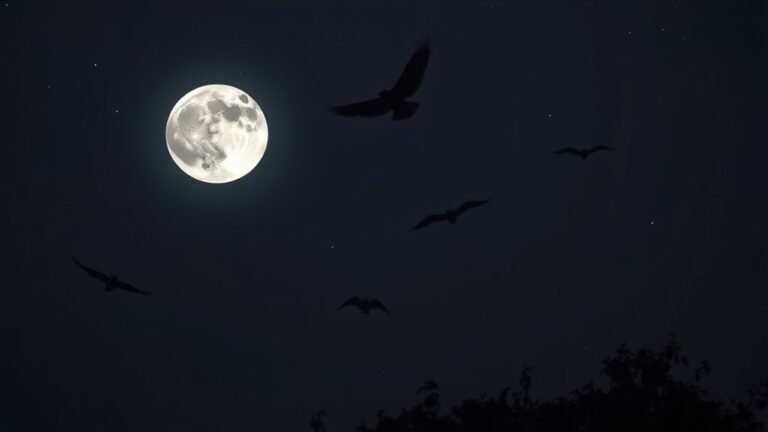
Do birds fly at night? Yes, some birds do. Nocturnal birds, like owls and nighthawks, have special traits that help them thrive in low light. Their keen eyesight and silent flight allow them to hunt effectively after dark. However, light pollution can disrupt their natural behaviors. This poses risks to their survival and conservation. Understanding these challenges is important for bird populations and ecosystems. What does this mean for the future of these species?

As dusk falls in Massachusetts, you hear a variety of nighttime bird calls. The Eastern Whip-poor-will lets out its distinct cry, while the Common Nighthawk produces soft, mournful notes. These sounds are important parts of the night environment. But why do these birds call at night? Their vocalizations relate to their behaviors and roles in the ecosystem. Observing these birds can be fascinating. Each sound has a purpose, from attracting mates to marking territory. Understanding their calls adds to your appreciation of the local wildlife. Enjoy listening to the evening chorus as you explore the summer nights in Massachusetts.

As you enter the quiet night, bird calls surround you. Each sound has a purpose, such as attracting a mate or marking territory. To understand these night calls, pay attention and listen closely. These sounds show important details about bird behavior and ecology. Various factors affect these calls, like the time of year and environment. By tuning into your surroundings, you can learn to interpret these distinct vocalizations.