Where Do Birds Sleep at Night? Exploring Avian Resting Habits
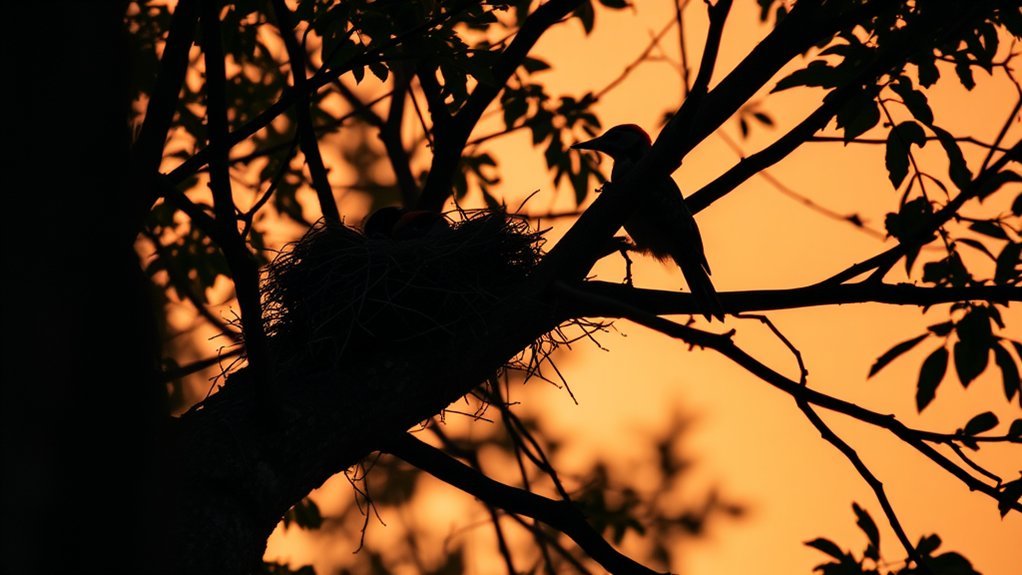
Have you ever wondered where birds go to sleep at night? Birds choose their roosting spots based on several factors. These factors include their surroundings, such as cities and forests. Each bird species has specific habits that help them stay safe and comfortable while they rest.
By looking at where they sleep and their behaviors, we can learn about their survival. Birds may find shelter in trees, bushes, or even buildings. Understanding their choices helps us appreciate their unique ways of living. So next time you see birds at dusk, think about where they might be settling down for the night.
Key Takeaways
Birds sleep in safe places at night. They choose spots like building ledges, trees, and bridges to stay away from predators. In cities, rooftops and bright structures, like streetlights, are common resting areas. Forest birds prefer tree hollows and thick shrubs for shelter from weather and dangers.
Birds change their roosting habits with the seasons. During colder months, they look for warmer, more protected spots. Many birds also roost in groups. This helps them socialize and stay safe from threats.
Watching birds settle in for the night can be a fascinating experience. They find comfort in their chosen spots, creating a vibrant scene as the sun sets.
The Importance of Roosting for Birds
Roosting is vital for birds. It allows them to rest, stay safe, and interact socially. When birds roost, they save energy by slowing down their metabolism. This energy-saving is crucial, especially in tough environments where food is limited.
Roosting also protects birds from predators, giving them a safe place to recover. Many birds roost together, which helps them build community. They share information about food sources and feel a sense of belonging with their flock.
These benefits of roosting are essential for bird survival and reproduction. Understanding these aspects helps us appreciate the connections between bird behavior and their habitats.
Common Roosting Locations in Urban Areas
Urban areas provide different options for birds looking for places to roost. Common roosting locations include building ledges, trees in parks, and bridges.
These areas offer shelter from predators and bad weather. Birds often choose high spots to see danger clearly. Rooftops with gardens are popular because they provide warmth and safety.
Streetlights and billboards also attract birds due to the light, which can offer protection. Understanding these bird behaviors helps you connect with urban wildlife.
It highlights the need for urban planning that creates safe roosting areas for birds.
Roosting Habits in Forested Environments
In forest environments, birds have specific roosting habits that differ from those in cities. They often choose tree hollows for shelter. These hollows protect them from predators and bad weather. The cavities offer a safe place for birds to rest and stay warm.
Many birds also prefer to roost in dense shrubs or small trees in the understory. This choice gives them a sense of security.
During the night, birds often gather in groups. This social behavior helps them stay warm and safe from threats.
Watching these behaviors helps you understand bird ecology. It can foster a connection to the rich life of birds in the forest.
Observing these roosting habits makes the experience of being in nature even more enjoyable and insightful.
Adaptations for Safety During Sleep
While birds sleep, they use various strategies to stay safe. Many birds choose roosting sites that protect them from predators. They often select dense trees or high branches to create a barrier against danger.
Birds also use camouflage; their feathers often match their surroundings, helping them avoid being seen by predators. This makes them less noticeable while they rest.
Furthermore, some birds have special locking mechanisms in their feet. These mechanisms help them grip branches tightly during sleep, so they don't fall.
Social Roosting Behavior Among Bird Species
Bird species show interesting social roosting behavior. Flocking helps birds protect themselves from predators. Different species have unique flock dynamics and social structures. Dominant birds often stay in the center of the roost, where they can safeguard others. This positioning promotes unity and strengthens social bonds within the group.
Social roosting also allows birds to share critical information about food availability and dangers in the environment. This sharing improves their collective awareness and contributes to survival.
Observing these behaviors helps understand the social structures and cooperative actions of birds. These interactions highlight the connections that exist within bird communities, fostering a sense of belonging.
Seasonal Variations in Roosting Sites
As seasons change, birds adjust their roosting sites based on the environment and available resources.
During migration, birds look for familiar habitats that offer safety and food. Some species might move to lower elevations or thicker forests when temperatures shift.
In spring and summer, they prefer open areas with plenty of insects.
In autumn and winter, they choose more sheltered, warmer locations.
Observing these seasonal changes helps you see how birds connect with their environments.
The Impact of Weather on Bird Roosting
When severe weather occurs, birds change their roosting habits to survive.
Weather has a significant impact on these animals, causing them to find shelter. During storms or extreme temperatures, birds often gather in thick trees or buildings for protection from strong winds and rain.
Some species even adjust their roosting based on nighttime temperatures. In colder areas, they may huddle closer together to share warmth.
These behaviors show how birds adapt to challenges in their environment. Watching these changes helps people connect with nature and appreciate the survival strategies of birds.
Unique Roosting Strategies of Nocturnal Birds
Nocturnal birds, like owls and nightjars, have different ways to rest and stay safe in the dark. They often roost on tree branches or hide in dense foliage to avoid predators.
Some, such as the common poorwill, rest on the ground and use their natural colors to blend in with their environment. These choices help them balance safety and vulnerability.
Their roosting behaviors help them stay protected while they recharge for their nighttime hunting activities. This shows how these birds adapt to survive in their nighttime habitats, with each species finding unique roosting sites that suit their needs.
Frequently Asked Questions
Do All Bird Species Have the Same Sleeping Habits?
Bird species exhibit different sleeping habits based on their type and adaptations. Some birds sleep in trees, while others choose hidden and secure spots for protection. These variations help birds stay safe while resting. Understanding these differences can enhance your appreciation of bird behavior.
How Do Birds Find New Roosting Locations?
Birds find new roosting locations by examining their preferences for safe and comfortable environments. They consider factors like the presence of predators, the availability of food, and the availability of shelter. By assessing these elements, birds choose spots that help them survive and connect with their community.
What Time Do Birds Typically Go to Sleep?
Birds usually go to sleep at dusk. They wrap up their activities as darkness falls. This signals the beginning of their rest cycles. These cycles are important for their health and survival.
Can Birds Sleep While Flying?
Some birds can sleep while flying. They change their sleep patterns during migration. These birds can sleep with one half of their brain while the other half stays alert. This allows them to rest and remain safe during their long journeys.
Do Baby Birds Have Different Roosting Behaviors Than Adults?
Yes, baby birds have different roosting behaviors than adults. Baby birds, or chicks, stay close to each other for warmth and protection. They rely on their parents for care and shelter. On the other hand, adult birds choose safe and secure spots to roost. This behavior reflects their experience and ability to find optimal locations for safety. Overall, baby birds prioritize comfort and safety in their early stages, while adults focus on secure roosting to rest and sleep.

Ava is a bird enthusiast and nature lover who has spent countless hours observing and learning about the fascinating world of birds. With a passion for sharing her knowledge and inspiring others to appreciate the beauty of birds, Ava writes about her experiences and insights on avianadmirer.com.