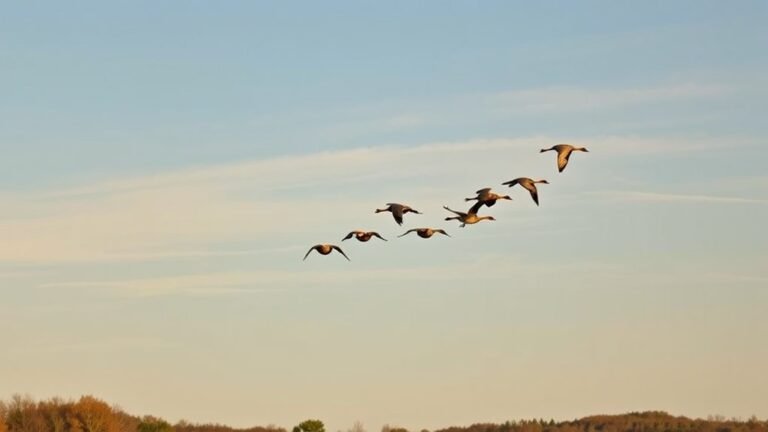

What Does It Mean When Birds Are Chirping Like Crazy? Decoding Bird Calls
When birds chirp a lot, they usually respond to social situations or environmental changes. For instance, they might call loudly when they see a predator or when they find food. Each call has a specific meaning, reflecting their social behavior and communication methods. Learning about these different sounds can deepen your understanding and enjoyment of birdlife.
Key Takeaways
- Intense chirping often warns of danger. Birds emit alarm calls when they sense a predator nearby.
- Birds call loudly to establish territory. This behavior marks their space and warns other birds to stay away.
- During mating season, birds chirp more to attract mates. Their vocalizations increase as they seek partners.
- High-energy chirping can indicate a good food source. Birds signal to others that it's time to eat together.
- Changes in weather can cause birds to communicate more. For example, they may chirp more before a storm.
The Basics of Bird Communication
Bird communication is a vital aspect of their survival. Birds use various vocal patterns and communication methods to send messages. These sounds range from simple chirps to complex songs, each with a specific function.
For example, some calls alert other birds about predators, while others attract mates or mark territory. Watching these interactions helps you appreciate bird social structures and their survival techniques.
Types of Bird Calls and Their Meanings
When you observe birds, you'll hear different calls, each with a clear purpose. There are two main types of calls: songs and calls.
Bird songs are melodic and long. They help birds attract mates and mark their territory. Each bird species has its own unique song.
Bird calls are shorter and repetitive. They alert other birds about danger or signal the presence of food.
By listening closely, you can learn to recognize these sounds. Understanding bird calls deepens your connection with nature.
Each call tells a story about the bird's life. Enjoy the experience of discovering bird communication.
Why Birds Chirp in the Morning
Birds chirp in the morning for several reasons. As daylight begins, birds' energy levels rise. They sing to claim their territory and attract mates. This early singing also helps strengthen bonds within their groups.
Each bird species contributes its own unique sounds, creating a vibrant morning chorus.
This morning chirping creates a special connection with nature. It encourages you to enjoy the rhythms of life around you. Knowing why birds sing in the morning allows you to appreciate their role in ecosystems and our environment.
Alarm Calls: Understanding Their Purpose
Alarm calls are important sounds that birds use to communicate danger. These calls help birds in a group become aware of nearby threats, such as predators.
For example, a sudden change in chirping might mean a hawk or a cat is close. Birds can make different alarm calls depending on the type of predator, which helps others know how serious the threat is.
Quick responses to these calls can improve the chances of survival for the group. This behavior creates a sense of community among birds and shows how vital communication is for their safety.
Mating Calls: Attracting a Partner
During the breeding season, birds use mating calls to attract partners. These calls play a crucial role in reproduction.
You can observe several features of mating calls:
- Melodic Phrases: Many birds sing complex and beautiful songs.
- Volume Variation: Changes in loudness can signal urgency.
- Rhythmic Patterns: Specific rhythms indicate readiness for mating.
- Visual Components: Birds often combine calls with striking physical displays.
- Species Differences: Each species has unique calls to attract the right mate.
These features add depth to bird communication and help you appreciate their behaviors better.
Territorial Calls: Defending Their Space
Bird calls serve different purposes. While many people link them to courtship, territorial calls are just as important. Birds use these calls to mark and protect their territory from rivals. When nesting, they produce unique sounds to define their area, which helps them secure resources to raise their young.
You can often hear these calls during territorial disputes. They act as a warning to other birds, telling them to stay away. This type of calling can deter threats and promote stability in their habitat.
Social Interactions: Communicating With the Flock
Birds communicate through their calls, which help them stay together in a flock and interact socially. These calls play a key role in how birds form their social groups and relationships.
By watching and listening to them, you can learn a lot about their behaviors.
Here are important roles that bird calls serve:
- They help birds move as a group.
- They warn of danger to keep everyone safe.
- They define and maintain social ranks.
- They strengthen bonds between mates and friends.
- They share information about where to find food.
Learning about these calls lets you appreciate how connected birds are within their communities.
Enjoy the friendships and connections that these vocalizations create among the birds in nature.
How to Interpret Bird Calls in Your Area
Interpreting bird calls in your area can improve your understanding of local birds. Each call provides information about different species, their behaviors, and their environment.
Start by learning the most common birds in your region and their unique sounds. Be aware of seasonal changes; some calls may signal migration or mating periods.
Use tools like field guides or mobile apps to help identify calls. Listen carefully when you're outside, and take notes on patterns or triggers behind the sounds.
As you become more familiar with their calls, you'll develop a stronger connection with nature, enhancing your appreciation for birds alongside other enthusiasts in your community.
Frequently Asked Questions
Do Different Species Communicate Differently Among Themselves?
Different species communicate in distinct ways. Their vocal sounds often reflect their behaviors and influence their interactions. Recognizing these communication styles can help you appreciate nature more and connect with your environment better.
Can Weather Affect Bird Chirping Patterns?
Weather affects bird chirping patterns. Changes in temperature and seasons trigger different vocal behaviors in birds. They respond to environmental cues to survive and attract mates. Birds adjust their communication based on these cues.
How Does Urban Noise Impact Bird Calls?
Urban noise pollution changes bird calls in cities. Birds have difficulty communicating above the noise. This leads to different singing patterns. These changes can affect mating and territory defense behaviors of birds. Urban environments create challenges for bird communication.
Why Do Some Birds Stop Chirping Suddenly?
Birds suddenly stop chirping for two main reasons: protecting their young and signaling danger. When they sense a predator nearby, they go silent. This silence helps keep their chicks safe while they check for threats in the area. By lowering their noise level, they reduce the risk of attracting attention to themselves and their vulnerable young.
What Health Issues Can Affect a Bird's Ability to Chirp?
Health issues can affect a bird's ability to chirp. Respiratory infections may cause muffled sounds or silence. Neurological disorders can disrupt coordination, leading to irregular or reduced chirping. Regular vet check-ups keep your bird vocal and healthy. Observing your bird's vocal behavior is important. If you notice changes, consult a vet. Keeping your bird in a clean and stress-free environment also supports its health and vocalization. Remember, a happy bird often sings more.

Ava is a bird enthusiast and nature lover who has spent countless hours observing and learning about the fascinating world of birds. With a passion for sharing her knowledge and inspiring others to appreciate the beauty of birds, Ava writes about her experiences and insights on avianadmirer.com.