Ultimate Guide to Backyard Birding (Beginners Guide)
Backyard birding allows you to observe birds in their natural settings. You can watch their behavior and learn about their feeding and nesting habits. To attract a range of birds, create an appealing space with native plants and suitable feeders. Knowing what birds need will improve your birding experience. By making simple changes, you may encounter interesting wildlife in your yard. Enjoy the beauty and variety of birds visiting your space.
Key Takeaways
- Create a bird-friendly habitat by planting native plants, providing food sources, and ensuring safe nesting spots for local birds.
- Use essential birdwatching gear like binoculars and easy-to-read field guides to improve your birdwatching experience and identification skills.
- Set up various feeders, such as tube and platform types, with suitable birdseed to attract specific birds to your backyard.
- Learn about bird calls and behavior to understand local species and their seasonal activities better.
- Connect with the birding community through local groups, events, and online resources to share knowledge and experiences with other bird enthusiasts.
Understanding Backyard Birding

Backyard birding goes beyond just watching birds; it includes understanding their behavior, ecology, and creating suitable habitats.
To support various bird species, plant native plants, provide food, and make safe nesting spots.
Practice good birdwatching etiquette by keeping noise low and staying at a respectful distance. This approach enhances your experience and reduces stress for birds.
Connecting with other bird lovers builds community, enriching your relationship with nature and each other.
Backyard birding becomes a fulfilling activity that allows you to appreciate the beauty and diversity of birds.
Essential Birdwatching Gear
To enhance your backyard birdwatching experience, having the right gear is important. Start with binoculars. Choose models with at least 8x magnification for clear views. Lightweight and waterproof binoculars are best for long use in different weather.
Next, consider a camera. A DSLR or mirrorless camera with a zoom lens can capture beautiful images of birds. Look for cameras with fast autofocus and a wide ISO range for better performance in low light.
Choosing the Right Location

Choosing the right location for backyard birding is important for attracting a variety of birds. To do this, consider the environment around you.
Look for areas with trees, shrubs, and water sources, as these provide essential cover for birds and help support different species. Place feeders near these plants to make your space more inviting.
Sunlight is also key. A sunny area promotes seed growth, which can attract more birds.
Be aware of local bird migration patterns and seasonal changes. This knowledge will help you adjust your setup to attract birds year-round.
Lastly, minimize noise and human disturbances in your area. A quiet environment will make your yard more appealing to birds, enriching your birding experience and connecting you with nature.
Creating a Bird-Friendly Habitat
Creating a bird-friendly habitat involves understanding the needs of birds.
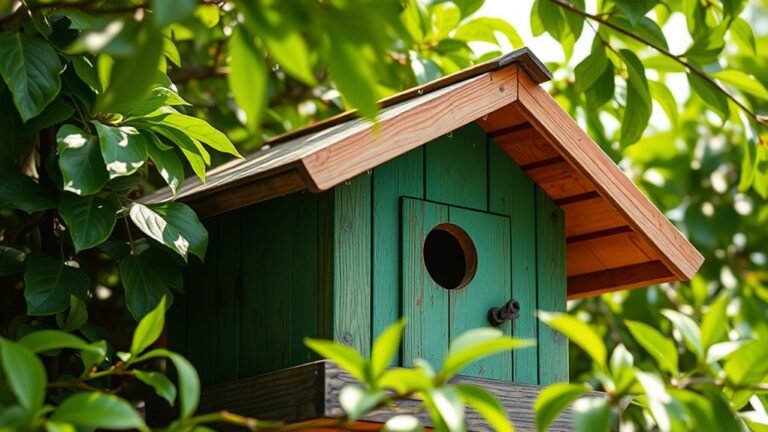
Start by adding native plants to your garden. These plants provide food and natural shelter for birds. Use eco-friendly materials for your birdhouses. This ensures they're safe and long-lasting.
Include pollinator gardens and seasonal flowers. These attract a variety of bird species. This approach supports a healthy ecosystem, benefiting both birds and helpful insects.
Use organic gardening methods to improve soil health. This promotes healthy plant growth without harmful chemicals.
Ensure your habitat has areas for shelter and nesting. This creates a safe space for birds.
Selecting the Best Bird Feeders

Choosing the right bird feeders can help attract different bird species to your yard. Here are some important factors to consider:
- Types of Feeders: Look at options like tube, platform, and suet feeders. Each type attracts different birds.
- Seed Compatibility: Ensure your feeders match the seeds that your target birds prefer.
- Location: Place your feeders where they're easy to see and safe from predators.
- Maintenance: Select feeders that are simple to clean and refill.
- Durability: Pick materials that can handle various weather conditions.
Types of Birdseed and Their Benefits
To attract specific bird species to your backyard, choose the right birdseed.
Sunflower seeds are popular because they're nutritious and high in oil. Nyjer seeds are great for attracting finches, while mixed seeds offer variety, although some might include fillers.
Millet seeds suit ground feeders, and peanut hearts are rich in protein. Safflower seeds are less attractive to squirrels, making them ideal for cardinals and similar birds.
Crushed corn is budget-friendly and draws in many birds. Mealworms are high in protein and attract insect-eating birds.
Attracting Specific Bird Species
To attract specific bird species to your backyard, consider their feeding habits and preferences. Here are some key points to create a suitable environment for the birds you want to see:
- Learn the bird calls of the species you wish to attract.
- Choose birdseed that matches their diet.
- Plant native flowers and shrubs that provide nesting options.
- Provide clean water sources for drinking and bathing.
- Create sheltered areas for safety and comfort.
By following these steps, you can effectively invite your desired birds into your space, making your backyard an engaging habitat for them.
Enjoy observing the beauty of nature as different species visit your yard!
Maintaining Your Feeding Station
To attract birds, it's important to maintain your feeding station. Clean your feeders regularly to stop the spread of disease. Disinfect your feeders every two weeks. This is especially important after bad weather or if you see signs of wear.
Use a solution of one part bleach to nine parts water, and rinse thoroughly to avoid any harm to the birds.
Check your birdseed for mold and replace any old food quickly. Spoiled food can scare away birds and cause bacteria to grow.
Inspect your feeders for any damage and ensure they work well and are easy for all bird species to access.
Routine maintenance of your feeders keeps birds healthy and creates a welcoming environment in your backyard. This helps you connect with these amazing creatures.
Identifying Common Backyard Birds
A clean and functional feeding station attracts birds and lets you observe the different species that visit your backyard. Here are some common backyard birds you might see:
- American Robin: Look for its red-orange breast and listen for its melodic song.
- Black-capped Chickadee: This small bird has a black cap and a cheerful "chick-a-dee-dee-dee" call.
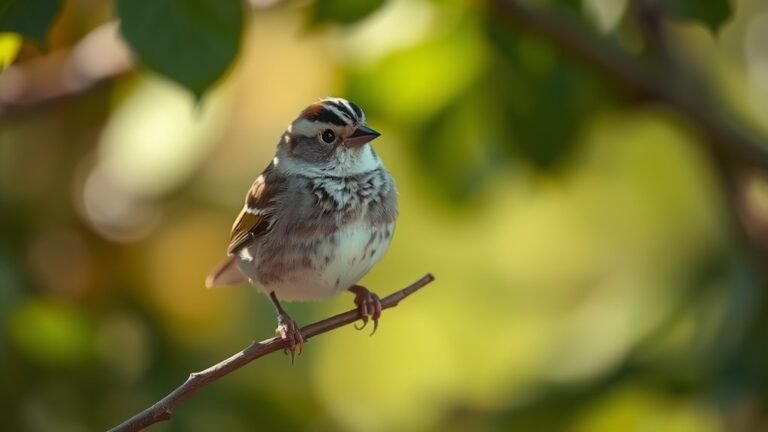
- House Sparrow: These plump birds are social and usually found in flocks. They've a mix of brown and gray feathers.
- Northern Cardinal: The bright red male is eye-catching and sings a beautiful whistle.
- Blue Jay: With its bold blue and white feathers, this bird is hard to miss, especially with its loud calls.
Identifying these birds can deepen your connection with your backyard.
Enjoy your birdwatching!
Bird Behavior and Observation Techniques
Observing bird behavior can enhance your backyard experience. To do this effectively, learn how birds interact with each other. Watch their communication methods; many birds use sounds and body movements to share information. Notice their feeding habits, as this can show you what environments they prefer.
Using a field journal is a great way to document your observations and record changes in bird activity throughout the seasons. Always keep your distance to avoid disturbing them—binoculars can help you see them better without getting too close.
Lastly, be patient. Silent watching allows you to see how birds interact with one another and appreciate the unique traits of each species. This method will help you connect with the diverse bird life in your backyard.
The Importance of Water Sources
Water is crucial for attracting a variety of birds to your backyard. Birds need water for drinking and bathing. A steady water source increases the different species you can observe. Adding bird baths and water fountains can create a welcoming space for these birds.
Here are some key benefits of adding water sources:
- Provides necessary hydration for birds.
- Attracts birds for bathing, which helps keep their feathers clean.
- Draws in various bird species throughout the day.
- Creates a lively atmosphere with the sounds of water.
- Enhances the visual appeal of your backyard.
Incorporating water features not only benefits the birds but also makes your outdoor space more enjoyable to watch and listen to.
Seasonal Birdwatching Tips
As the seasons change, bird behavior and presence in your backyard also change. Understanding migration patterns helps you enjoy birdwatching more.
In spring, bird activity increases as many species return due to longer days and warmer temperatures. In autumn, you'll see birds preparing for migration, providing opportunities to observe their behaviors.
Pay attention to weather changes, as they can affect bird feeding and nesting. Tracking these changes in your backyard creates a welcoming environment for birds.
This approach allows you to experience the beauty of migration and seasonal changes. Engage with the rhythms of nature, and you'll gain a deeper appreciation for birds.
Resources for Further Learning
Many resources can help you improve your birdwatching skills.
Here are some useful tools:
- Birding Books: Read books that focus on local birds, their behaviors, and how to identify them.
- Online Courses: Take courses that teach you about bird species, their actions, and how to observe them effectively.
- Social Media Groups: Join online communities where birdwatchers share tips and experiences.
- Local Audubon Society: Participate in workshops and outings to meet other bird enthusiasts.
- Identification Apps: Use mobile apps to identify birds by their songs, colors, and habitats.
Engaging with these resources will enhance your understanding and enjoyment of birdwatching.
Happy observing!
Frequently Asked Questions
What Time of Day Is Best for Birdwatching?
The best times for birdwatching are early mornings and late afternoons. In the morning, birds are active as they search for food and sing. In the evening, you can enjoy beautiful sights as they return to their resting places. These times provide great opportunities to observe and appreciate various bird species.
How Can I Keep Squirrels Away From Feeders?
To keep squirrels away from feeders, you can buy squirrel-proof feeders. You can also use repellent sprays around the feeders. These steps will help create a better space for birds and reduce squirrel interference. Enjoy watching your feathered friends without the distraction of squirrels!
What Should I Do if I Find an Injured Bird?
If you find an injured bird, start by keeping calm. Gently place the bird in a box to protect it. Make sure the box is warm and dark. Contact local wildlife rehabilitation for help. Acting quickly can support the bird's recovery.
Is Birdwatching a Year-Round Activity?
Yes, birdwatching is an activity you can enjoy all year. You can observe different species as they migrate through the seasons. Each season brings new birds, enhancing your enjoyment and connection with nature month after month.
How Can I Encourage My Kids to Birdwatch?
Encouraging your kids to birdwatch can be fun and simple. Start by using colorful field guides that show different bird species. You can also download interactive apps that let them explore birds in their area. Plan outings to parks or nature reserves to spot birds together. Make it a game by keeping a checklist of birds they see. Share stories about their habits, colors, and songs to spark curiosity. This way, your kids can enjoy nature while learning about birds and building a sense of adventure and teamwork.

Ava is a bird enthusiast and nature lover who has spent countless hours observing and learning about the fascinating world of birds. With a passion for sharing her knowledge and inspiring others to appreciate the beauty of birds, Ava writes about her experiences and insights on avianadmirer.com.