3 Best Owl Houses for Nocturnal Hunters
Catching the shadows isn’t enough—discover the 3 best owl houses for nocturnal hunters in 2025, and find out which shelter endures longest.

Catching the shadows isn’t enough—discover the 3 best owl houses for nocturnal hunters in 2025, and find out which shelter endures longest.

Birds that fly at night have adapted well to low-light situations. Crepuscular and nocturnal species, such as owls and nightjars, have developed special features to hunt and survive while others sleep. Their skills in twilight and nighttime raise key questions about their roles in the ecosystem. What traits help these birds succeed in their environments?
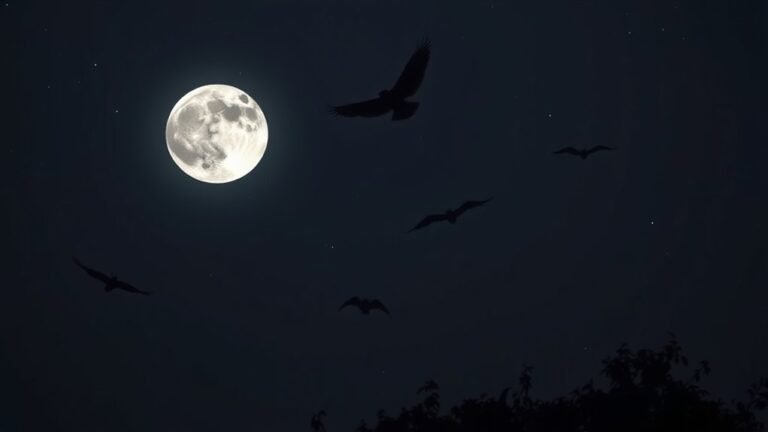
Do birds fly at night? Yes, some birds do. Nocturnal birds, like owls and nighthawks, have special traits that help them thrive in low light. Their keen eyesight and silent flight allow them to hunt effectively after dark. However, light pollution can disrupt their natural behaviors. This poses risks to their survival and conservation. Understanding these challenges is important for bird populations and ecosystems. What does this mean for the future of these species?
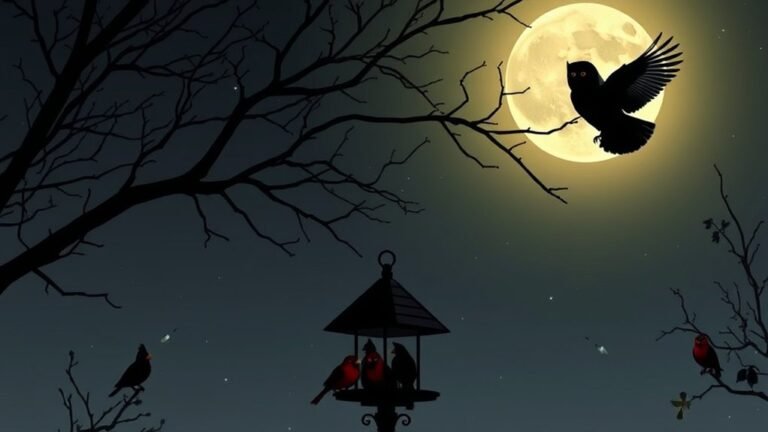
Not all birds feed during the day. Some birds, like owls and nightjars, hunt at night. They have special skills for seeing and hearing in the dark. These skills help them find food when it is dark outside. Their feeding habits lead us to think about how light affects their hunting. What other things impact their ability to survive in a world that is mostly bright during the day?
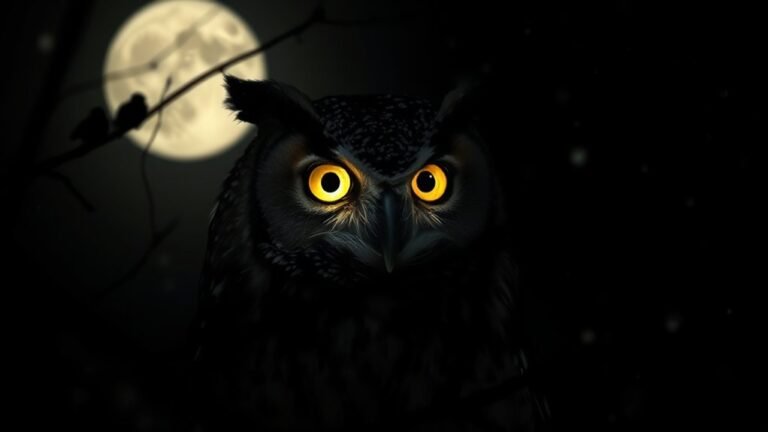
Birds have different abilities to see at night, depending on their species. Nocturnal birds, like owls, have special eye features that help them see well in low light. These features include larger eyes and more rod cells, which improve night vision. On the other hand, daytime birds, such as sparrows, have smaller eyes and focus on color vision rather than night vision. Understanding these differences shows how birds adapt to their environments. Nocturnal birds rely on their night vision for hunting and navigation, while daytime birds are suited for bright conditions. These adaptations shape how each species behaves after sunset and influences their ecological roles in various habitats.
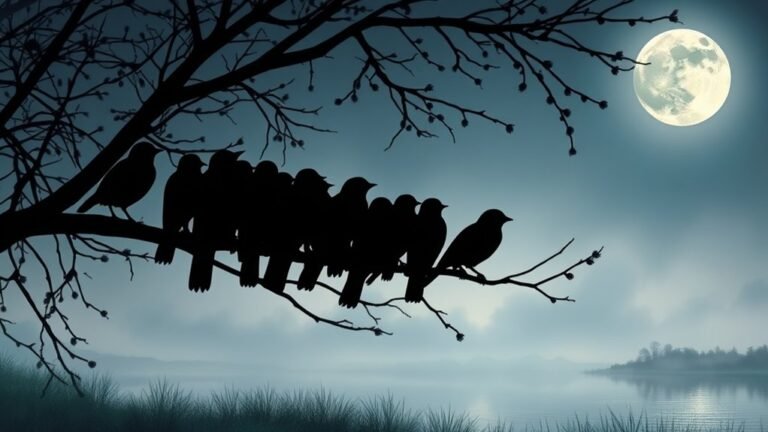
Some birds chirp at night, and they do so for important reasons. These nighttime calls help them attract mates and defend their territory. Birds have adapted to singing under the moonlight. Each species has its own unique song, which raises interesting questions about how their biology connects with their environment. Studying these nighttime songs provides valuable insights into bird behavior and ecology. Understanding why they sing at night enriches our appreciation of their world.
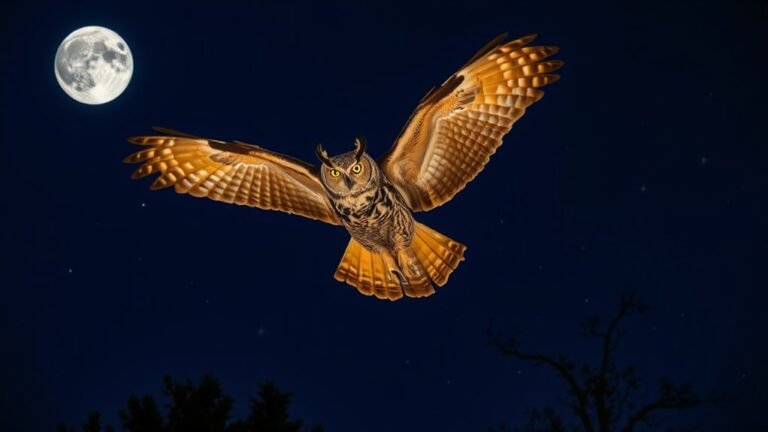
Some birds can fly at night. They use special features to find food and navigate in the dark. Many have excellent night vision, which helps them see well in low light. Their wings are also designed for silent flight, allowing them to hunt without being heard. These adaptations help them survive and thrive in nighttime conditions. Understanding how these birds behave can reveal their survival skills. Fascinatingly, there is more to learn about how these night flyers succeed in their environment.
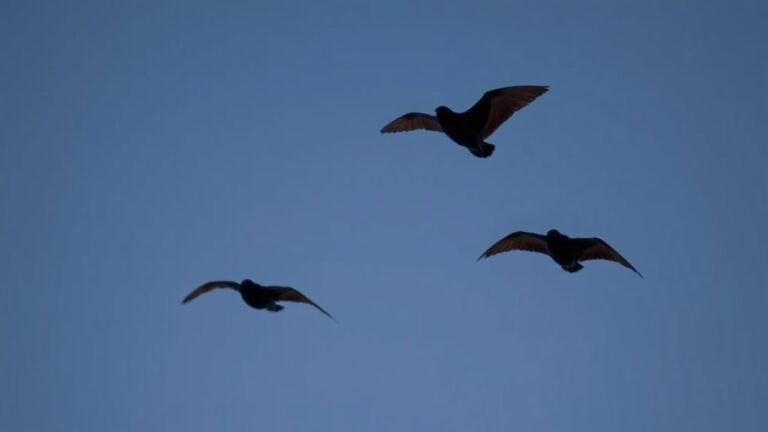
Keen on discovering how nightjars and swiftlets mimic bats in flight? Their curious adaptations reveal much about survival in the dark.

Wondering which birds share their nocturnal calls with owls? Discover surprising mimics that will change how you listen to the night.
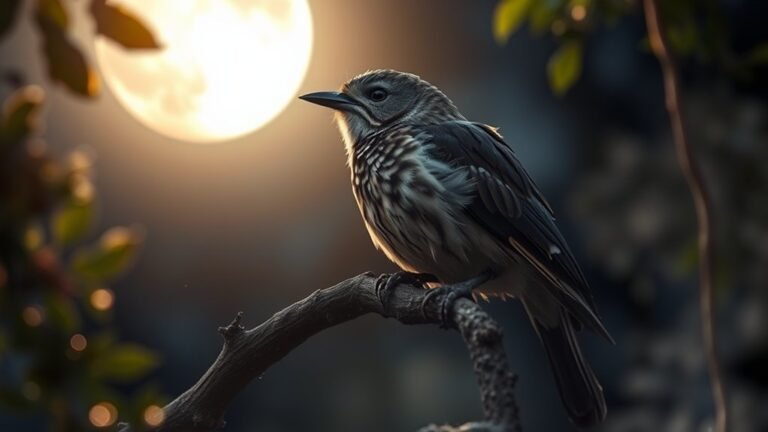
Decipher the mysterious mimicry of nocturnal calls that sound like owls; discover what secrets lie within these enchanting sounds. What will you uncover?