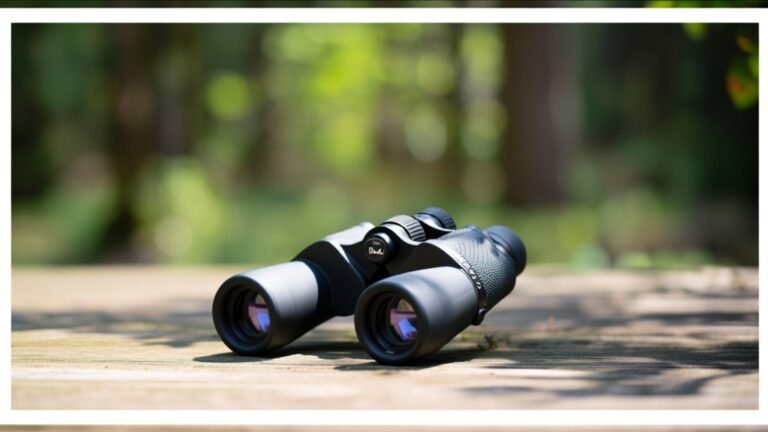

Sony DEV-50V Digital Recording Binoculars Reviews 2025
Finding the perfect binoculars that can capture what you see is challenging. You want clear views and quality recordings. The Sony DEV-50V Digital Recording Binoculars promises both. This device combines optical excellence with Full HD recording capabilities. You get professional observation power in a compact package.
Many outdoor enthusiasts struggle to find equipment that delivers sharp images and stable video. Standard binoculars offer magnification but no recording. Digital cameras provide recording but lack binocular viewing comfort. The DEV-50V bridges this gap beautifully.
This comprehensive review explores every aspect of these digital recording binoculars. You will learn about specifications, features, performance, and value. We examine real-world usage scenarios from bird watching to sports events. Our analysis helps you decide if these binoculars fit your needs. Whether you are a wildlife photographer, sports fan, or nature enthusiast, this guide provides clarity. Let’s explore what makes the Sony DEV-50V stand out in 2025.

Key Takeaways
Optical Performance and Recording Quality: The Sony DEV-50V features dual 5.4MP Exmor R CMOS sensors that deliver Full HD 1080p video recording in both 2D and 3D formats. The 12x optical zoom extends to 25x with digital zoom engaged. You get professional-level magnification with cinema-quality recording capabilities.
Advanced Stabilization Technology: The device includes Optical SteadyShot image stabilization with Active mode. This technology eliminates shake and blur during handheld operation. You can record smooth video even at maximum zoom levels without requiring a tripod.
Weather-Resistant Construction: Sony built these binoculars with dust-proof and splash-resistant housing. The robust design protects internal components during outdoor adventures. You can use them confidently in various weather conditions without worry.
Dual OLED Electronic Viewfinders: The DEV-50V features dual 2.4M-dot XGA OLED displays that provide exceptional clarity for both eyes. You can preview and playback 3D recordings directly through the viewfinders without additional glasses. This creates an immersive viewing experience.
Compact and Lightweight Design: Weighing just 1 pound 4 ounces, these binoculars are 30 percent smaller than previous Sony models. The reduced size improves portability without sacrificing optical quality or features. You can carry them comfortably during extended outdoor sessions.
Understanding Digital Recording Binoculars Technology
Digital recording binoculars represent a revolutionary advancement in optical technology. These devices combine traditional binocular viewing with modern digital imaging capabilities. The Sony DEV-50V exemplifies this innovation perfectly. Instead of just magnifying distant subjects, these binoculars capture what you observe. The technology uses electronic sensors rather than purely optical systems. This approach offers unique advantages over conventional binoculars.
The core technology involves dual image sensors that work together. Each sensor captures a separate view, creating stereoscopic vision. The Exmor R CMOS sensors in the DEV-50V provide excellent low-light performance. Back-illuminated design improves light sensitivity significantly. You get brighter images in challenging lighting conditions. The sensors output directly to dual OLED viewfinders. This creates a real-time digital viewing experience. Some users prefer traditional optical binoculars for their natural feel. However, digital binoculars offer recording, zoom flexibility, and stabilization features. These benefits make them invaluable for documentation purposes.
Sony DEV-50V Core Specifications Breakdown
The specifications reveal the technical capabilities of these binoculars. The DEV-50V uses two 1/3.91 type back-illuminated Exmor R CMOS sensors. Each sensor contains approximately 5.4 million pixels. The maximum effective resolution reaches 20.4 megapixels for still images. Video recording captures Full HD at 1920 x 1080 resolution. You can choose between 60i and 50i frame rates for smooth motion.
The optical system features dual G Lens elements. The focal length ranges from 36.3mm to 2,007mm in 35mm equivalent terms. The aperture varies from F1.8 to F3.4 depending on zoom level. Minimum focus distance is approximately 1 cm in wide mode. This allows extremely close-up observations. In 3D mode, minimum focus distance extends to 2 meters. The field of view at 1,000 yards provides adequate coverage for most applications.
Power comes from an InfoLITHIUM V Series battery pack. The included NP-FV70 battery provides approximately 275 minutes of 2D recording. In 3D mode, battery life reduces to about 185 minutes. Charging time takes approximately 315 minutes using the supplied AC adapter. The binoculars support Memory Stick PRO Duo and SD/SDHC/SDXC cards. You need Class 4 or higher cards for reliable video recording.
Full HD Video Recording Capabilities
The video recording features distinguish these binoculars from standard models. The DEV-50V captures 1920 x 1080 Full HD video in multiple quality modes. The highest quality PS mode uses approximately 28 Mbps bitrate. This produces excellent detail and minimal compression artifacts. You can choose from FX, FH, HQ, and LP modes for different file sizes.
The device supports both 2D and 3D video recording. In 2D mode, you get flexibility in zoom and focus settings. The 3D recording creates immersive depth when viewed on compatible displays. Audio recording uses a built-in stereo microphone with Dolby Digital 2-channel encoding. Sound quality is clear and directional. The microphone captures ambient sounds effectively during recordings.
Video files save in AVCHD format version 2.0. This format ensures compatibility with most modern editing software. You can transfer files via the included Micro USB cable. HDMI output allows direct playback on televisions and monitors. The HDMI micro cable connects to standard HDMI inputs. This makes sharing your recordings simple and convenient. Many users appreciate the professional video quality these binoculars produce.
Top 3 Alternatives for Sony DEV-50V Digital Recording Binoculars

- 【HD Digital Binoculars Camera】These new 2.0" TFT 1080P 5MP LCD Camcorder Binoculars combines an excellent all-opticsl binocular system and HD...
- 【12X Magnification】The digital binoculars camera takes closer look at things with a 12x magnification-32mm aperture binocular system. The...
- 【Durable and Comfortable】The 12x32 Compact binoculars are constructed with a rugged rubber armor for a comfortable, non-slip grip and shock...


- CAPTURE DISTANT MOMENTS WITH CLARITY: 12x magnification with 48MP camera lets you photograph wildlife, sports, and scenery from afar with exceptional...
- PREMIUM OPTICS FOR STUNNING VISUALS: BAK-4 prisms and multi-coated 32mm lenses deliver superior light transmission and contrast, making your viewing...
- INSTANT VIEWING ON 2.4" IPS DISPLAY: Built-in LCD screen allows immediate review of your photos and videos, eliminating the frustration of waiting to...

- High Image Quality: Features a 12-megapixel CMOS sensor for capturing still photos; portable video camera delivers superb image clarity and level of...
- One-Touch Zoom: One-touch three-step telephoto magnification lets you switch from 100mm to 400mm optical to 800mm digital telephoto zoom; this...
- Compact Design: Small video camera with a lightweight, compact design that weighs just over 5 oz; pocket-sized ZOOM portable camera is comfortable to...
Optical Zoom Performance and Range
The 12x optical zoom provides impressive magnification power. This zoom range covers most observation scenarios effectively. At minimum zoom, you get a wide field of view. This helps locate subjects quickly in the environment. As you zoom in, distant details become clearly visible. The digital zoom extends magnification to 25x total.
However, digital zoom reduces image quality compared to optical zoom. Pixels are enlarged rather than optically magnified. Use optical zoom whenever possible for best results. The zoom control operates smoothly and precisely. You can adjust magnification gradually without jerky movements. Autofocus technology keeps subjects sharp throughout the zoom range. The system quickly locks onto your target and maintains focus.
The G Lens design minimizes chromatic aberration and distortion. Colors remain accurate and edges stay sharp. The wide aperture allows more light into the sensors. This improves performance during dawn, dusk, and overcast conditions. The zoom capability makes these binoculars extremely versatile. You can observe birds in distant trees or details on stadium scoreboards.
Image Stabilization System Analysis
Image stabilization makes the DEV-50V exceptionally usable handheld. The Optical SteadyShot technology counteracts hand tremors and movements. This system uses lens elements that shift to compensate for shake. The Active mode provides enhanced stabilization for moving subjects. You get remarkably steady images even while walking or on boats.
Without stabilization, high magnification amplifies every tiny movement. Even breathing causes visible shake at 12x magnification. The SteadyShot system dramatically improves viewing comfort. You can observe subjects for extended periods without eye strain. Video recordings remain smooth even during active use. This eliminates the need for tripods in many situations.
The stabilization works across the entire zoom range. Effectiveness is most noticeable at higher magnifications. Some users compare the performance favorably to premium stabilized binoculars. The system does consume additional battery power when active. However, the viewing improvement justifies the energy use. Most users keep stabilization enabled continuously.
Electronic Viewfinder Quality and Comfort
The dual 2.4M-dot XGA OLED viewfinders provide excellent image quality. OLED technology delivers deep blacks and vibrant colors. Contrast ratio exceeds what LCD displays can achieve. The high pixel density creates sharp, detailed views. Each eye sees approximately 2.4 million individual pixels. This resolution approaches the quality of optical viewfinders.
The viewfinders include diopter adjustment ranging from -3.5 to +3.5. This accommodates users with different vision prescriptions. You can use the binoculars without eyeglasses in many cases. Eye relief adjusts across five positions from 55mm to 75mm. This ensures comfortable viewing with or without glasses. The large eyecups block ambient light effectively.
Some users initially find electronic viewfinders different from optical systems. There is minimal lag in modern OLED displays. The refresh rate keeps pace with head movements smoothly. Brightness adjusts automatically based on ambient light conditions. You can also manually control brightness and contrast. The viewfinders work exceptionally well in low light conditions. Sensor sensitivity produces visible images when optical binoculars show only darkness.
Weather Protection and Build Quality
The splash-proof and dust-resistant construction protects the electronics inside. Sony designed these binoculars for outdoor use in variable conditions. The sealing prevents moisture intrusion during rain showers. However, these are not fully waterproof or submersible. Avoid complete immersion in water or extreme dust exposure.
The body uses durable materials that withstand regular use. The finish resists scratches and minor impacts. Controls are well-placed and easy to operate with gloves. The zoom rocker switch falls naturally under your right thumb. Power and recording buttons are clearly marked and tactile. The battery compartment seals securely to prevent moisture entry.
The included neck strap distributes weight comfortably. The lens cap protects the front elements during transport. Large eyecups provide cushioned comfort during extended viewing sessions. The compact size compared to earlier models improves handling. You can grip these binoculars securely with average-sized hands. The reduced weight of 1 pound 4 ounces prevents fatigue during long observation periods.
Battery Life and Power Management
Battery performance is acceptable but not exceptional for digital devices. The NP-FV70 battery provides approximately 275 minutes of 2D recording time. This equals about 4.5 hours of continuous use. In practice, you typically use binoculars intermittently. Actual battery life extends across longer periods with normal use patterns.
The 3D recording mode consumes more power than 2D. Expect approximately 185 minutes or just over 3 hours in 3D mode. Image stabilization also draws additional power. Disabling stabilization when unnecessary can extend battery life. The OLED viewfinders are relatively power-efficient compared to LCD screens.
Charging takes approximately 315 minutes or just over 5 hours. This long charging time encourages purchasing spare batteries. The included AC adapter charges batteries inside the binoculars. You cannot remove the battery for external charging with the standard accessories. Some users recommend buying an external battery charger. This allows charging spare batteries while using the device. Battery life remains the main limitation for extended field use.
Still Image Capture Quality
The DEV-50V captures 20.4-megapixel still images at maximum resolution. This provides adequate detail for most applications. However, image quality does not match dedicated digital cameras. The small sensors limit dynamic range and low-light performance. Still images work well for documentation and record-keeping purposes.
You can capture images while observing without switching devices. This convenience is valuable during wildlife observations. The autofocus system works quickly for still capture. JPEG format images save efficiently to memory cards. The 16:9 aspect ratio matches HD video format. You can also capture images at lower resolutions to save storage space.
Image stabilization improves still image sharpness significantly. Handheld shots at full zoom remain surprisingly sharp. The fast aperture helps maintain adequate shutter speeds. Some chromatic aberration appears in high-contrast situations. Colors generally reproduce accurately without oversaturation. Still image quality is sufficient for most binocular users. Those needing professional photography should use dedicated camera equipment.
Memory Card Compatibility and Storage
The DEV-50V accepts Memory Stick PRO Duo and SD/SDHC/SDXC cards. This dual compatibility provides flexibility in choosing storage media. SD cards are more common and typically less expensive. Use Class 4 or higher speed cards for reliable video recording. Slower cards may cause recording interruptions or errors.
Storage requirements vary based on recording quality settings. The highest quality PS mode uses approximately 28 Mbps bitrate. This consumes about 210 MB per minute of video. A 32GB card holds approximately 2.5 hours of PS quality footage. Lower quality modes extend recording time significantly. The HQ mode provides good quality while conserving storage space.
Still images require relatively little storage compared to video. A 32GB card stores thousands of maximum resolution images. The binoculars display remaining recording time based on current settings. You receive warnings when storage space runs low. Formatting cards in the device ensures optimal compatibility. Transfer files regularly to free up space for new recordings.
Connectivity and File Transfer Options
The included Micro USB cable enables file transfer to computers. The binoculars appear as a standard storage device when connected. You can browse and copy files using standard file management tools. Transfer speeds are adequate for moving video files. Large video files take considerable time to transfer via USB.
The HDMI micro output allows direct playback on televisions and monitors. This bypasses the need to transfer files for viewing. The included HDMI cable works with standard HDMI inputs. You can preview your recordings on large screens immediately. This is useful for sharing observations with groups.
The device supports PlayMemories Home software for organizing content. This application runs on Windows computers. It provides basic editing and organization capabilities. The software can upload videos to online services. However, many users prefer other editing programs. Files are standard formats compatible with most editing software. Professional users appreciate this flexibility.
Autofocus System Performance
The autofocus system responds quickly to subject changes. The binoculars typically lock focus within one second. Contrast-detection autofocus works well in good lighting. Performance decreases in very low light conditions. The system tracks moving subjects reasonably well. Sudden movements may cause temporary focus hunting.
Manual focus override is not available on this model. You rely entirely on the autofocus system. Most users find the autofocus adequate for general observation. Wildlife photographers sometimes prefer manual control. The close focus capability of approximately 1 cm is impressive. You can observe subjects right in front of the lenses. This creates interesting close-up observation opportunities.
The autofocus considers center area primarily for focus decisions. This works well when your subject is centered. Off-center subjects may not focus perfectly. Pan the binoculars to center your subject for best focus. The system maintains focus while zooming in most cases. Re-focusing occurs automatically when needed.
Low Light and Night Vision Performance
The back-illuminated Exmor R sensors perform better than standard sensors in low light. The binoculars function in lighting as low as 11 lux. This equals dim indoor lighting or heavy twilight conditions. You can observe wildlife during dawn and dusk effectively. The wide F1.8 aperture gathers maximum available light.
However, these are not true night vision binoculars. They lack infrared illumination or image intensification. Performance in complete darkness is limited. The sensors provide visible images longer than optical binoculars. Color gradually shifts to monochrome as light decreases. Noise increases in very low light but remains manageable.
The OLED viewfinders help in low light situations. The bright displays remain visible even in darkness. You can adjust display brightness to match conditions. This prevents eye strain when moving between bright and dark areas. Many users find adequate performance for most twilight observations. Those needing true night vision should consider dedicated equipment.
Use Cases and Applications
Wildlife observation represents a primary use case for these binoculars. The combination of magnification and recording is invaluable. You can document rare species sightings with video evidence. The zoom range handles birds, mammals, and distant subjects. Image stabilization allows handheld observation during nature walks. The quiet operation avoids disturbing wildlife.
Sports viewing benefits from the recording capability. You can capture exciting plays and memorable moments. The binoculars work well for stadium events and outdoor sports. The autofocus tracks moving athletes effectively. The video provides permanent records of live events. Many users enjoy reviewing recordings after games.
Travel and sightseeing applications are popular with tourists. The binoculars document scenic vistas and architectural details. The compact size makes them practical for travel. Weather resistance provides confidence in variable conditions. You can observe and record simultaneously during tours. The 3D capability creates immersive travel memories when viewed on compatible displays.
Comparison with Previous Sony Models
The DEV-50V improves significantly over the earlier DEV-5 model. The new version is 30 percent smaller and lighter. Portability improved without sacrificing optical performance. The zoom range increased from 10x to 12x optical. Extended magnification reveals more distant details. The electronic viewfinders upgraded from previous technology.
The 2.4M-dot OLED displays provide better image quality than earlier EVFs. Colors are more accurate and blacks deeper. The weather sealing improved in the DEV-50V. Enhanced dust and splash protection increases durability. The autofocus system responds faster and more accurately. Battery technology remained similar between generations.
The price point remained at the premium level. The DEV-50V originally retailed for approximately two thousand dollars. This positioned it as professional-grade equipment. The improved features justify the investment for serious users. Some enthusiasts still use earlier models successfully. However, the DEV-50V represents the pinnacle of Sony’s digital binocular development.
Price Value and Investment Considerations
The Sony DEV-50V commands a premium price compared to standard binoculars. Original retail pricing approached two thousand dollars. Current availability varies as the model ages. Used units offer better value for budget-conscious buyers. The price reflects advanced technology and specialized functionality.
Value depends heavily on your specific needs. Wildlife researchers and serious hobbyists find excellent value. The ability to document observations justifies the investment. Casual users may not require such advanced capabilities. Standard binoculars plus a separate camera costs less. However, the integrated solution offers superior convenience.
The build quality and durability support long-term use. These binoculars can serve reliably for many years. No subscription or ongoing costs are required. Spare batteries and memory cards are the only regular expenses. Consider whether recording capability is essential for your applications. If documentation is important, these binoculars deliver unique value.
Maintenance and Care Requirements
Regular cleaning maintains optical performance. Use a soft microfiber cloth for lens surfaces. Avoid paper towels or rough materials that scratch coatings. Compressed air removes dust without touching lenses. Clean the viewfinders gently to avoid damaging OLED surfaces. Keep the exterior clean and dry between uses.
Store the binoculars in a protective case when not in use. The included accessories provide basic protection. Consider a padded case for travel and field work. Remove batteries during extended storage periods. This prevents potential battery leakage damage. Store in a cool, dry location away from direct sunlight.
Firmware updates are not typically available for this model. The device operates with its original software. Avoid exposing the binoculars to extreme temperatures. Electronics can malfunction in very hot or cold conditions. The weather-resistant construction protects against moisture. However, always dry the exterior if it gets wet. Regular maintenance ensures years of reliable service.
Common Issues and Troubleshooting
Some users report shorter than expected battery life in field conditions. Cold weather reduces battery performance significantly. Keep spare batteries warm in pockets during winter use. The long charging time encourages maintaining multiple charged batteries. Battery degradation occurs over years of use. Replacement batteries restore original performance.
Autofocus occasionally struggles in very low contrast situations. The system may hunt without finding focus. Try focusing on a high-contrast edge of your subject. The focus usually locks successfully with better contrast. Manual focus is not available to override the system. Most users adapt to autofocus quirks with experience.
Memory card compatibility rarely causes problems with quality cards. Use reputable brands with appropriate speed ratings. Some users experience condensation on viewfinders when temperature changes rapidly. Allow the binoculars to acclimate gradually to new environments. Keep lens caps on during temperature transitions. Most minor issues resolve with familiarization and proper technique.
User Experience and Ergonomics
The compact design improves handling compared to larger binoculars. The reduced weight prevents arm fatigue during extended use. The body shape fits comfortably in average hands. Controls fall naturally under fingers and thumbs. The zoom rocker operates smoothly without excessive force. Recording buttons are positioned for easy access.
The neck strap distributes weight evenly across shoulders. This allows comfortable carry during hikes and walks. The binoculars balance well when hanging from the strap. The eyecups adjust to match individual eye relief needs. Most users find comfortable viewing positions quickly. Eyeglass wearers appreciate the adjustable eye relief.
The learning curve for electronic viewfinders is minimal. Most users adapt within minutes of first use. The OLED clarity impresses first-time digital binocular users. The viewing experience feels natural despite being electronic. Some purists prefer traditional optical binoculars. However, most users appreciate the digital advantages quickly.
Frequently Asked Questions
Can the Sony DEV-50V record in complete darkness?
No, these binoculars require some ambient light to function. The sensors work down to approximately 11 lux, which is very dim twilight. They perform better in low light than standard optical binoculars. However, they are not true night vision devices. They lack infrared illumination or image intensification technology. You need at least some visible light for the sensors to capture images.
How long do batteries last during typical field use?
Battery life varies based on usage patterns. Continuous 2D recording provides approximately 275 minutes. Intermittent observation extends practical use across several hours. Cold weather reduces battery performance significantly. Image stabilization consumes additional power when active. Most users carry spare batteries for extended field sessions. Battery life is adequate but not exceptional compared to modern cameras.
Are the binoculars waterproof for marine use?
The DEV-50V is splash-proof and dust-resistant but not fully waterproof. The construction protects against rain and moisture exposure. However, avoid complete submersion in water. Do not use these binoculars while swimming or in heavy downpours. The weather sealing handles normal outdoor conditions effectively. Marine use requires extra care to prevent water damage.
Can I view 3D recordings without special glasses?
Yes, the dual OLED viewfinders display 3D content without glasses. The viewfinders show separate images to each eye. This creates the stereoscopic 3D effect naturally. However, sharing 3D recordings requires compatible 3D displays. Standard computer monitors and TVs show 3D content as side-by-side images. You need a 3D-capable television for proper playback on external displays.
Does the digital zoom reduce image quality significantly?
Yes, digital zoom enlarges pixels rather than optically magnifying the image. Image quality degrades as digital zoom increases. Use the 12x optical zoom whenever possible. Digital zoom is useful for subjects beyond optical zoom range. Accept some quality loss for the additional magnification. Professional users typically avoid digital zoom for important observations.
How does the DEV-50V compare to modern smartphone cameras?
The binoculars offer superior optical zoom compared to smartphones. The 12x optical zoom reveals distant details smartphones cannot capture. However, smartphone cameras often produce better still images in good light. The large sensors and computational photography create excellent results. The DEV-50V excels at distant observation and recording. Smartphones work better for general photography needs.
Can I use these binoculars for astronomy and stargazing?
The DEV-50V can observe bright celestial objects like the moon. However, they are not ideal for serious astronomy. The magnification is relatively low for astronomical observations. The sensors struggle with the extreme darkness of night skies. Traditional astronomical binoculars or telescopes work better. Consider dedicated astronomy equipment for regular stargazing activities.
What accessories are essential for field use?
Spare batteries are the most important accessory for extended use. An external battery charger allows charging multiple batteries. High-quality SD cards ensure reliable recording. A padded carrying case protects during transport. A tripod adapter enables stable observation when available. Lens cleaning supplies maintain optical clarity. These accessories enhance usability significantly.

Ava is a bird enthusiast and nature lover who has spent countless hours observing and learning about the fascinating world of birds. With a passion for sharing her knowledge and inspiring others to appreciate the beauty of birds, Ava writes about her experiences and insights on avianadmirer.com.