Should I Put Nesting Material Inside a New Bird Box?
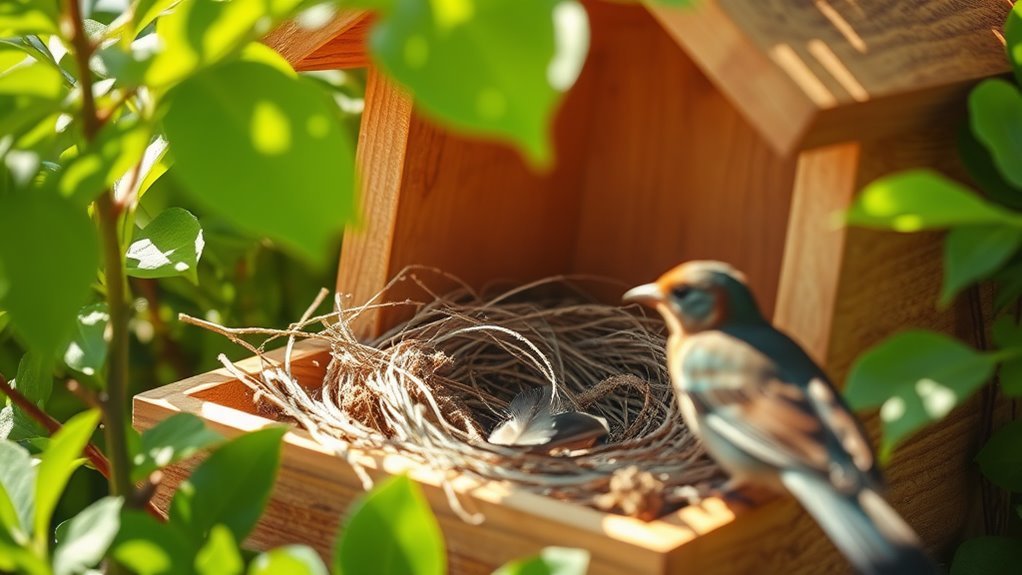
When you set up a new bird box, you may wonder if you should add nesting material. This can attract birds and encourage them to nest. However, not all bird species like having materials provided for them. It is important to know the nesting preferences of different birds. Additionally, the type of materials can affect their health. Consider these factors before deciding to offer nesting materials.
Key Takeaways
- Adding nesting materials can attract more birds to your bird box.
- Use natural and pesticide-free materials to keep birds healthy and safe.
- Limit the amount of nesting material to avoid overcrowding and competition among species.
- Some birds like to gather their own materials, so providing too much may deter them.
- Regularly check and replace nesting materials to keep the nesting area clean and safe.
Understanding Bird Nesting Behavior
To attract birds to your yard, it's important to understand their nesting behavior. Different bird species have specific nesting habits that affect where they build their nests and what materials they use. Some birds prefer to nest in cavities, while others create open nests.
Learning about the local bird species can help you meet their needs and increase your chances of attracting them.
During the breeding season, observe bird behavior for signs of nesting activity. Look for patterns that indicate where they may want to build their nests.
Proper placement and design of bird boxes can significantly improve their chances of using them. By focusing on these factors, you can create a welcoming environment that supports birds and enhances your connection to nature in your backyard.
Benefits of Providing Nesting Material
Providing nesting material in your bird box can attract more local birds. When you offer materials like dried grasses, feathers, and twigs, birds are more likely to choose your box for nesting.
This can lead to higher occupancy rates since birds prefer places with available resources. Using these materials helps birds build stronger, insulated nests, leading to healthier and more successful broods.
Potential Drawbacks of Adding Material
Adding nesting material to bird boxes may seem helpful, but there are important downsides to consider.
First, some birds prefer to collect their own nesting materials. If you provide materials, these birds might avoid your box, seeing it as a territory issue.
Using the wrong type of material can create hygiene problems. This may attract pests or cause mold, which can harm young birds.
There is also a chance of overcrowding if different bird species try to use the same box. This can lead to competition and stress among the birds.
Moreover, if the nesting material is too heavy, it might weaken the bird box.
Always think about these factors before adding nesting material to ensure the health and safety of the birds.
Bird Species and Their Nesting Preferences
Understanding the nesting preferences of different bird species is important for making a welcoming bird box. Each species has its own needs.
For instance, bluebirds like a clean, simple nesting area. In contrast, wrens often use twigs and grass to build their nests. Providing suitable materials can attract specific birds, increasing the chance of successful nesting.
Some birds may benefit from added items like dried grass or feathers. However, don't add too much material, as this can discourage birds.
Health and Safety Considerations
When adding nesting material to a bird box, prioritize the birds' health and safety. Some materials can harm them. Ensure the nesting material is safe for the bird species you want to attract.
Here are key points to consider:
- Avoid synthetic materials. They can trap moisture and grow bacteria.
- Use natural fibers like grass or feathers. Make sure they're pesticide-free.
- Check that materials are free from mold or other contaminants.
- Regularly inspect the box for old or decaying materials that might be unsafe.
Best Practices for Setting Up a Bird Box
To attract the right birds to your bird box, start with proper placement.
Find a quiet, sheltered location away from busy areas and potential predators. Mount your box 5 to 10 feet off the ground and face it away from strong winds.
Timing is also important; set up your bird box in late winter or early spring, just before nesting season starts. This allows birds enough time to find their new home.
Check that the entrance hole size matches the species you want to attract, as different birds need different sizes.
Frequently Asked Questions
Can I Use Any Type of Material for Nesting?
You can use natural materials for nesting, like grass, feathers, and twigs. Avoid synthetic materials, as they can harm birds. Use safe, organic options to create a welcoming space that encourages nesting and supports bird health.
How Often Should I Replace Nesting Material?
Replace nesting material based on how often birds nest and the types of materials used. Check the nesting area regularly to ensure it is clean and suitable. This practice helps create a healthy space for birds. Providing fresh, natural materials makes them feel safe and comfortable.
Will Birds Return to a Box With Old Nesting Material?
Birds may not want to return to a box with old nesting material. To encourage birds to reuse a bird box, it is important to provide fresh and clean bedding. This helps birds feel safe and comfortable in their environment. Keeping the nesting material new can increase the chances of attracting birds back to the box.
Can I Add Nesting Material During Nesting Season?
You can add nesting material during nesting season. However, be mindful of the birds' habits and seasonal changes. Too much interference may disrupt their nesting process. Watch how the birds react before you add anything. This way, you can help them without causing any stress.
Do Different Bird Species Prefer Specific Nesting Materials?
Different bird species prefer specific nesting materials based on their nesting habits. For example, some birds use twigs and grass, while others may choose feathers or mud. Knowing these preferences can help you create a welcoming space for birds in your area. By providing the right materials, you can attract various species and support their nesting efforts, making your environment more vibrant and lively.

Ava is a bird enthusiast and nature lover who has spent countless hours observing and learning about the fascinating world of birds. With a passion for sharing her knowledge and inspiring others to appreciate the beauty of birds, Ava writes about her experiences and insights on avianadmirer.com.