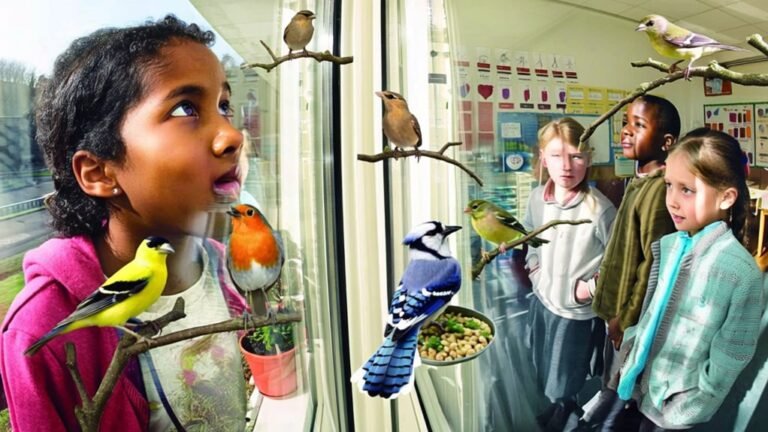
Robin-Like Birds: Red-Breasted Beauties of the Backyard
When you see robin-like birds in your backyard, you enjoy their bright colors and interesting behaviors. The American Robin, known for its orange-red breast, is easy to recognize, while the European Robin has its own special appeal. These birds help local ecosystems by feeding on insects and nesting. You can attract them to your yard using simple tips. What methods will improve your outdoor experience with these beautiful birds?
Key Takeaways
- The American Robin has a bright orange breast and often hops on lawns.
- The European Robin has a beautiful orange-red breast and is commonly found in urban parks and woodlands.
- The Varied Thrush has striking orange and slate-blue feathers and typically lives in coniferous forests.
- Scarlet Tanagers bring vivid red color to gardens. They prefer areas with deciduous trees and open spaces.
- These birds enhance local ecosystems, boost biodiversity, and signal environmental health.
The American Robin: A Backyard Favorite

The American Robin (Turdus migratorius) is a common sight in backyards. This bird has a bright orange breast and a grayish-brown back. It's easy to recognize and enjoys a strong presence among birdwatchers and casual observers alike.
The American Robin feeds on worms, berries, and insects. You can often see it hopping across lawns, actively looking for food. As it searches, you might notice its head bobbing.
In spring, the American Robin sings cheerful songs that fill neighborhoods, brightening your mornings. Its varied sounds, from clear whistles to rich trills, help it attract mates and establish territory.
This bird plays an important role in local ecosystems. Observing American Robins can add enjoyment to your time outdoors.
European Robins: Charming Visitors From Across the Pond
European Robins (Erithacus rubecula) bring joy to gardens across Europe with their bright orange-red breast and beautiful song.
They're small birds that thrive in many habitats, such as woodlands and urban parks. They search for insects and berries to eat. You may notice that they're curious and often approach people without fear.
European Robins symbolize hope and renewal in many cultures. By watching their behaviors and migrations, you can connect with nature.
Spotting these lovely birds makes you feel closer to the rich biodiversity in your backyard. Enjoy the presence of the European Robin and the charm it adds to your outdoor space.
The Varied Thrush: A Stunning North American Relative

The Varied Thrush (Ixoreus naevius) is a bird found in North America that attracts birdwatchers with its beautiful colors and cheerful songs.
This bird prefers living in coniferous forests and areas with thick shrubs, especially where berry plants grow. Its striking orange and slate-blue feathers make it stand out from common backyard robins.
During winter, Varied Thrushes migrate south from their breeding homes in the Pacific Northwest.
Bird lovers enjoy watching for their arrival and reflecting on the changes of the seasons. Joining local birding groups can make this experience even more rewarding, as it allows people to share discoveries and connect with others who appreciate this remarkable bird.
The Scarlet Tanager: A Touch of Red in Your Garden
The Scarlet Tanager (Piranga olivacea) adds striking red color to any garden, especially during breeding season.
These birds prefer deciduous forests and edges for their habitat. They search for insects and berries to eat. Male tanagers show off their bright plumage to attract females while singing a distinctive warbled call, which enhances the sound of your garden.
Watching them move through the trees is a delight. They display agility and grace as they fly.
To encourage these beautiful birds to visit your outdoor space, plant native plants and create open areas. This will enhance your garden with their vibrant presence.
Attracting Robins: Tips for Your Backyard

Attracting American Robins (Turdus migratorius) to your backyard can add beauty and activity.
Here are simple steps you can take to create a friendly habitat for these lovely birds:
- Plant native shrubs and fruit trees. These provide natural food sources and places for robins to nest.
- Add fresh water. Use shallow birdbaths or small ponds for drinking and bathing. Keep the water clean for the best results.
- Create open areas. This allows robins to find insects and earthworms easily while foraging.
Essential Feeding Habits of Robin-Like Birds
To support robin-like birds, such as the American robin and other thrushes, it's important to understand their feeding habits. These birds eat insects, worms, berries, and fruits.
They mainly forage on the ground and use their sharp eyesight to find food. They've a unique method called "teasing," where they hop around to scare hidden insects out of their hiding spots.
They also look for fruits in tall branches, showing their flexibility in finding food. By providing a variety of natural food sources in your garden, you can attract these beautiful birds.
Creating a welcoming environment for them will enhance your backyard and support their nutritional needs.
Nesting Behavior and Family Life
Nesting behavior among robin-like birds showcases important adaptations for raising their young.
These birds choose hidden spots to build their nests, providing safety for their chicks. They carefully select nesting materials, which include:
- Twigs and grass for strength
- Feathers and moss for warmth
- Mud to hold the nest together and hide it
Both parents take part in caring for the chicks. They feed them and keep them safe.
The parents use different calls to warn each other about dangers. Watching this caring behavior helps you learn about their life cycle and appreciate how nature connects everything.
There's a special beauty in seeing these red-breasted birds care for their families together.
The Ecological Importance of Red-Breasted Birds
Red-breasted birds are important for their ecosystems. They help maintain biodiversity and support environmental health.
By spreading seeds, these birds promote plant diversity and forest growth. They eat fruits and berries, process seeds in their bodies, and deposit them in various locations. This helps different plant species grow in new areas.
Red-breasted birds also indicate the health of ecosystems. They show changes in habitat quality and climate conditions.
Supporting these birds in your yard helps create a vibrant community. It also connects you to a larger network that sustains our planet's ecosystem.
Enjoying and protecting red-breasted birds helps both them and us.
Photography Tips for Capturing These Beauties
Capturing the beauty of red-breasted birds requires careful observation and preparation. Knowing where these birds like to be can improve your photography skills.
Here are some tips:
- Camera Settings: Use a fast shutter speed. This helps capture clear images, especially when the birds move quickly.
- Lighting: Shoot in the early morning or late afternoon. The light is softer then. Avoid taking photos in harsh midday sun; it creates strong shadows that can distract from the birds.
- Composition: Include elements of nature in your frame. A blurred background can make the vibrant colors of the birds stand out.
Follow these tips to enhance your bird photography and enjoy capturing nature's beauty.
Frequently Asked Questions
Do Red-Breasted Birds Migrate or Stay Year-Round?
Red-breasted birds show different migration behaviors. Some travel south for the winter, while others remain in their home areas all year. Their movements depend on seasonal changes and the environment. Watching these birds can help you understand their adaptability and deepen your connection to nature. Enjoy observing their habits and appreciate the diversity in their lifestyles.
What Is the Lifespan of a Typical Robin-Like Bird?
A typical robin-like bird lives for 2 to 5 years. Their lifespan can vary due to factors such as predators and the quality of their habitat. These elements affect their ability to survive and live longer in the wild.
How Can I Tell the Difference Between Male and Female Robins?
To tell the difference between male and female robins, look at their colors. The male robin has a bright orange-red breast. In contrast, the female robin has a more muted, speckled appearance. The male's colors are bold, while the female's markings help her blend in while nesting.
Are Red-Breasted Birds Aggressive Towards Other Species?
Red-breasted birds can show aggression, particularly during fights for territory. They often display defensive behaviors when competing for food and protecting their nests. These actions can affect how they interact with other bird species nearby.
What Unique Behaviors Do Robins Exhibit During Courtship?
During courtship, robins show exciting behaviors to attract mates. They make loud calls, perform fluttering movements, and offer food to impress potential partners. These actions help them establish their territory and find the right mate. Watching robins during this time can be captivating, as their displays highlight their vibrant personalities and dedication to courtship.

Ava is a bird enthusiast and nature lover who has spent countless hours observing and learning about the fascinating world of birds. With a passion for sharing her knowledge and inspiring others to appreciate the beauty of birds, Ava writes about her experiences and insights on avianadmirer.com.