Red Birds of North Carolina: Fiery Plumage in the Wild
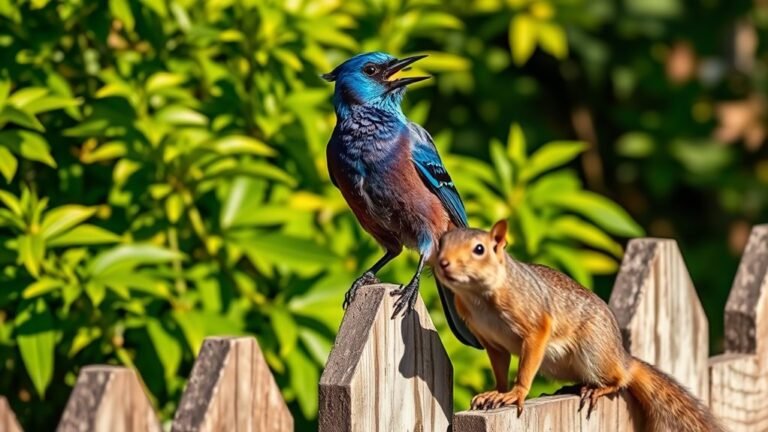
In North Carolina, red birds create a striking sight against the green backdrop of their homes. The Northern Cardinal shines with its bright red feathers. The Scarlet and Summer Tanagers also add vibrant colors during different seasons. These birds enhance the beauty of the environment and play important roles in the ecosystem. Learning about their roles helps us understand the health of our surroundings. What do these connections reveal about our environment's state?
Key Takeaways
- The Northern Cardinal is a symbol of North Carolina. It is known for its vivid red feathers.
- Scarlet Tanagers arrive in North Carolina in spring. They are recognized by their striking red bodies and black wings.
- Summer Tanagers come after Scarlet Tanagers. They have bright red feathers and sing melodious songs.
- Red-shouldered Hawks have bright colors. They are skilled hunters and live in woodlands across the state.
- Painted Buntings display a vibrant mix of red, blue, and green. They thrive in meadows and shrublands during the warm months.
Northern Cardinal: The Iconic Red Bird
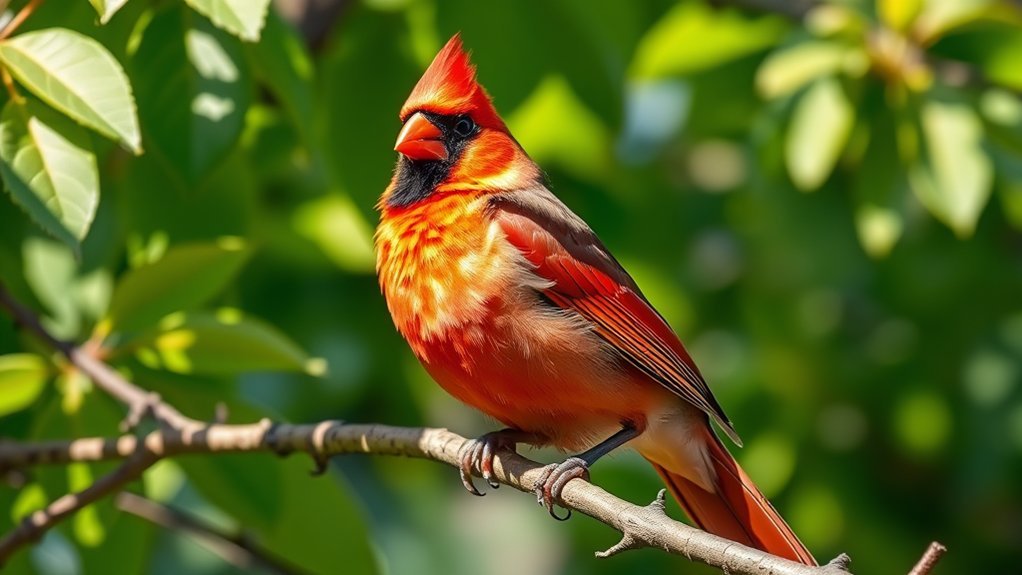
The Northern Cardinal is a bright symbol of North Carolina. You can find these colorful birds in various places, such as woodlands and gardens. They like dense bushes for shelter and nesting.
The male cardinals sing to establish territory and attract a mate. Female cardinals often join in, creating a duet. They're social birds and are commonly seen foraging in small groups.
The male's vivid red feathers stand out against green plants, making each sighting enjoyable. Learning about their habitat and behavior helps you connect better with North Carolina's natural beauty.
Scarlet Tanager: The Bold Migrant
Birdwatchers look forward to the arrival of the Scarlet Tanager in North Carolina each spring. This beautiful bird features vibrant red plumage and black wings and tail.
The Scarlet Tanager migrates from Central and South America, where it spends the winter, back to North America to breed. Listen for their distinct calls in the treetops.
Their presence marks the change of seasons. Watching the Scarlet Tanager enriches your birdwatching experience and deepens your connection to North Carolina's ecosystems.
Enjoy the excitement of seeing this striking bird return each year.
Summer Tanager: A Sweet Song in Red
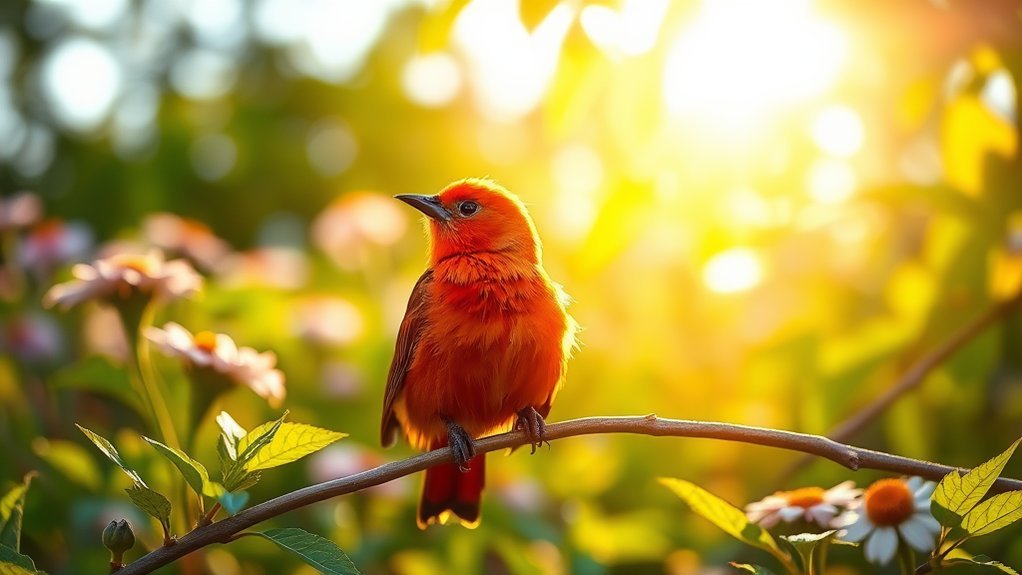
The Summer Tanager arrives in North Carolina after the Scarlet Tanager. It's known for its bright, red color and beautiful song. This bird prefers open woodlands during the summer months.
Its melodic notes sound similar to a mockingbird, adding charm to its presence.
When watching the Summer Tanager, you may see it catch insects in mid-air. This feeding habit makes it interesting to observe.
Encountering this bird can enhance your appreciation for nature and the diverse birdlife in North Carolina.
Red-shouldered Hawk: A Majestic Hunter
While exploring the woodlands of North Carolina, you might spot the Red-shouldered Hawk. This bird captivates with its bright colors and impressive hunting abilities.
These hawks have sharp vision and good hearing, which they use effectively while hunting. They often sit quietly on a perch before diving to catch small mammals and amphibians.
Red-shouldered Hawks build nests in tall trees near water. They construct their nests using sticks and twigs.
During the breeding season, these birds form strong bonds with their mates, which helps their chicks thrive. Observing these hawks enriches your experience of North Carolina's nature.
Painted Bunting: A Rainbow in Red
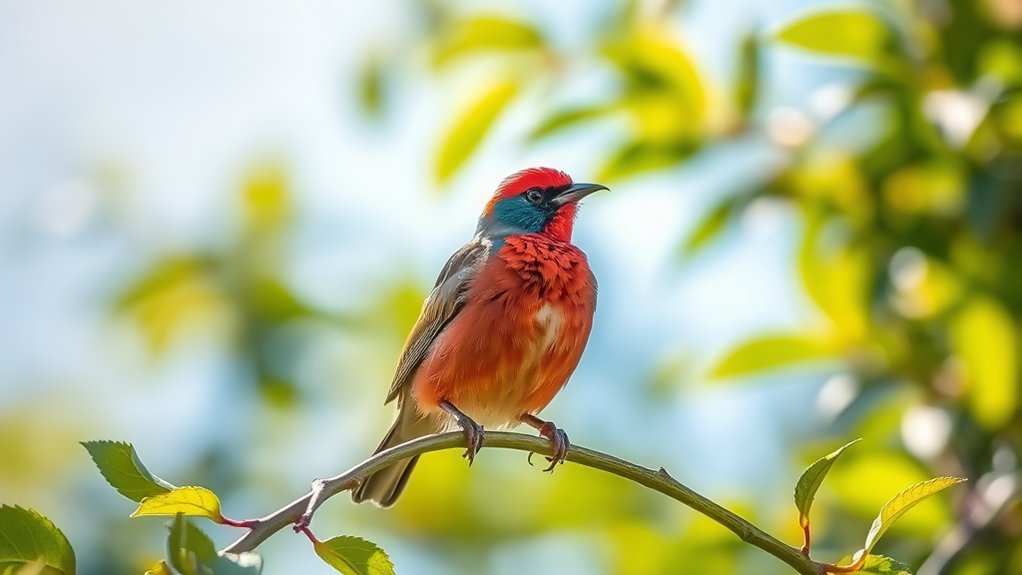
If you visit a North Carolina meadow, you might see the Painted Bunting. This bird showcases bright colors of red, blue, and green. It thrives in colorful areas like thickets and shrublands.
Watching the Painted Bunting brings joy to any landscape.
This bird migrates to Mexico and Central America in winter. Understanding its journey helps us appreciate its role in nature.
Spotting the Painted Bunting in the wild connects us to the beauty of nature.
The Importance of Red Birds in the Ecosystem
Red birds, such as the Northern Cardinal and the Scarlet Tanager, play important roles in North Carolina's ecosystem. They contribute to the health of their habitats and boost overall biodiversity.
These colorful birds help pollinate plants and disperse seeds, which supports plant growth and variety. When you see them in your yard, you can appreciate their positive impact.
Red birds also control insect populations. This helps reduce pests that can damage plants and crops.
Their bright colors attract birdwatchers, creating a sense of community among nature lovers. By supporting red birds, we strengthen their survival and the connected life in North Carolina's environment.
Enjoy the beauty and benefits these birds bring to our ecosystems.
Frequently Asked Questions
What Attracts Red Birds to North Carolina Habitats?
Red birds are attracted to North Carolina because of its variety of habitats and migration routes. They find plenty of food and ideal places to build their nests. This combination supports their needs at different times of the year. North Carolina offers a welcoming environment for these vibrant birds. Observing red birds in the state can be a delightful experience for nature lovers.
When Is the Best Time to Observe Red Birds?
The best time to observe red birds is during spring migration. This is when they return to their habitats, and their colors become more vibrant. Plan your visits to witness their beautiful displays and enjoy their presence in nature.
What Do Red Birds Eat in the Wild?
Red birds in the wild eat seeds, especially sunflower and safflower seeds. They collect these seeds for food. When they gather seeds, they also build their nests. This process helps them create homes while finding their place in nature. Red birds enjoy their surroundings by combining food gathering with nesting activities.
How Can I Attract Red Birds to My Backyard?
To attract red birds to your backyard, set up bird feeders with sunflower seeds. Also, plant native plants to create a natural landscape. These steps will make your yard a friendly space for colorful birds. Enjoy watching as they visit!
Are Red Birds Endangered in North Carolina?
Red birds are not classified as endangered in North Carolina. However, their populations face threats. You can help them by creating safe habitats and reducing pesticide use. These actions will support their survival and ensure they thrive in your area. Enjoy watching these beautiful birds flourish!

Ava is a bird enthusiast and nature lover who has spent countless hours observing and learning about the fascinating world of birds. With a passion for sharing her knowledge and inspiring others to appreciate the beauty of birds, Ava writes about her experiences and insights on avianadmirer.com.