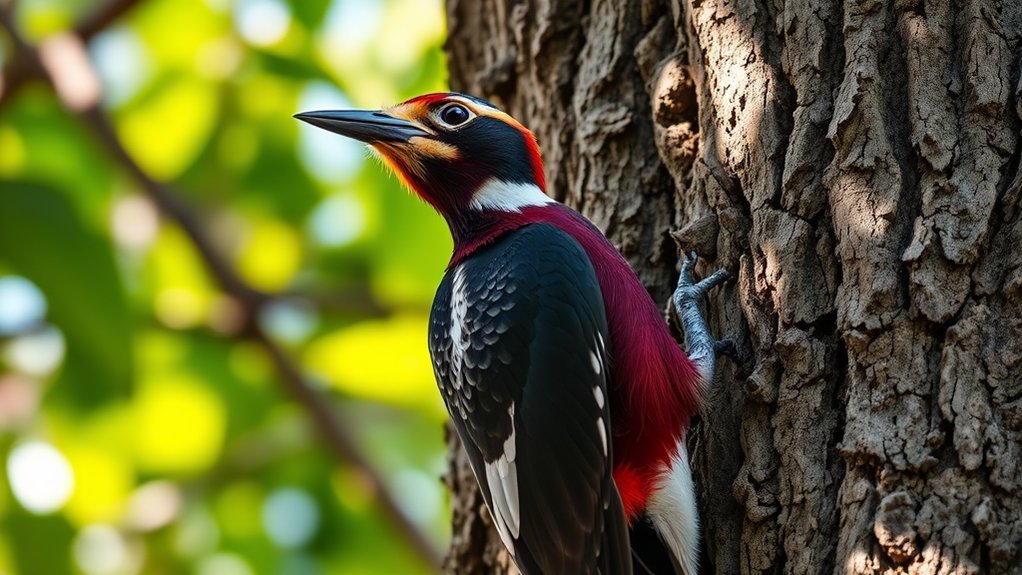
Birds That Look Like Woodpeckers: Tree-Climbing Mimics
When you look at birds that look like woodpeckers, you will see their strong ability to climb trees. Birds such as flickers and nuthatches show similar pecking behaviors, but each has unique features that benefit their environment. Studying these interesting birds helps us understand their important roles in nature. Each species has adaptations that allow them to thrive in their habitats. This exploration gives us insight into their lives and the functions they serve in their ecosystems.
Key Takeaways
Flickering Flickers look like woodpeckers. They have bright feathers and drum to mark their territory. Agile Nuthatches move quickly and can climb down tree trunks headfirst, resembling woodpeckers. Unique Treecreepers spiral around tree trunks, finding food in crevices, similar to woodpecker behavior. Cunning Sapsuckers drill into bark to collect sap and attract insects for food, just like woodpeckers. Versatile Black-and-white Warblers also climb tree trunks, searching for hidden insects as they forage.
Birdwatchers can enjoy observing these fascinating birds that mimic woodpecker traits. Each species brings its own charm and agility, making them a delight to spot in their natural habitats.
The Flickering Flickers

The Flickering Flickers are often confused with woodpeckers because of their bright feathers and behavior.
These birds thrive in many settings, such as open forests, grasslands, and cities. Their ability to adapt helps them find food in the ground and in trees. They've long tongues that reach into ant and beetle burrows to pull out snacks.
Flickers also drum to mark their territory, imitating woodpecker sounds. Observing these birds deepens your appreciation of nature.
Agile Nuthatches
Nuthatches are small birds that have blue-gray feathers and quick movements. They look a lot like woodpeckers.
These birds thrive in different habitats such as mixed woodlands and coniferous forests. Watching them is enjoyable. They move skillfully on tree trunks and branches, often going headfirst down the bark. This ability helps them find insects hidden in the bark's crevices. Their calls consist of sharp notes that fill the air, adding to their appeal.
Birdwatchers love to share the excitement of spotting these quick climbers. Nuthatches help us learn more about bird life and the need to protect their varied habitats.
Enjoying the sight of these agile birds enriches our experience in nature.
The Striking Downy Woodpecker

The Downy Woodpecker features striking black-and-white feathers and a small size that attracts birdwatchers. This delightful bird lives in various places like forests, parks, and suburban gardens.
You can see them hanging onto tree trunks as they search for insects beneath the bark. They make a distinctive pecking sound that echoes in the quiet.
Downy Woodpeckers drum on wood using their short bills, creating a softer sound compared to other woodpeckers. Their role in the ecosystem is vital, emphasizing how all living things connect.
Observing these woodpeckers invites a deeper appreciation for nature and its beauty.
The Colorful Red-bellied Woodpecker
The Red-bellied Woodpecker stands out with its bright red cap and rosy belly. This bird lives in forests and woodlands across eastern and central North America.
Its black and white wings help it communicate and attract mates. You can often see them foraging on tree trunks, displaying their unique behavior.
Watching these colorful woodpeckers adds excitement to your birdwatching experiences, bringing the beauty of nature closer to you.
The Charming Hairy Woodpecker

The Hairy Woodpecker is an interesting bird that attracts the attention of birdwatchers.
It has striking black-and-white feathers and a notable white patch on its back. You can find this bird in forests, parks, and suburban areas across North America.
As you observe, listen for its drumming sounds. This drumming serves as a way for the woodpecker to communicate and search for food.
Hairy Woodpeckers like to live in mature trees where insects are plentiful. They use their sharp beaks to dig into the wood and find larvae to eat.
These woodpeckers are territorial and may engage in lively battles for space. Watching them interact can be quite entertaining.
When you're in their environment, you'll enjoy the active presence of the Hairy Woodpecker, a charming member of the woodpecker family.
The Unique Treecreeper
As you walk through wooded areas, look for the Treecreeper, a small and slender bird known for its adaptability. Its brown, mottled feathers blend in well with tree bark.
You can spot the Treecreeper as it climbs tree trunks in a spiral motion, showcasing its impressive climbing skills.
Watch how it digs into crevices and peels back loose bark to find insects and larvae, proving its foraging ability.
Treecreepers thrive in habitats with mature trees, where they can find plenty of food and nesting spots. You may hear their soft, high-pitched calls while walking in the woods, inviting you to observe them.
As you take the time to watch the Treecreeper, you'll understand its importance in supporting healthy forest ecosystems.
This small bird plays a vital role in the balance of nature, reminding us to appreciate the environment around us.
The Cunning Sapsucker
A Sapsucker is a bird often seen moving among trees. It stands out because of its unique behavior. It drills small holes in the bark to collect sap. This sap serves as food and attracts insects, which also become part of its diet.
Watching a Sapsucker reveals its skilled technique. The bird hops from tree to tree and often returns to the same holes to collect more sap. This behavior shows its ability to make the most of its resources.
Observing a Sapsucker helps you appreciate nature and understand how living things depend on one another.
The Expressive Spotted Woodcreeper
The Spotted Woodcreeper is an interesting bird known for its adaptability and climbing ability. It lives in various habitats, including tropical forests and dry woodlands.
Its streaked feathers help it blend in with tree bark. Watching a woodcreeper in action is fascinating; it moves carefully and uses its sharp bill to find insects and larvae in tree crevices.
The bird's calls add to the sounds of the forest. Spotting a Spotted Woodcreeper highlights its resilience and connection with its environment, making it a unique bird.
You may feel inspired by its life during your own outdoor adventures.
The Versatile Black-and-white Warbler
The Black-and-white Warbler is a unique bird in birdwatching. It has bold black and white colors and a distinct way of finding food.
This warbler climbs tree trunks with a movement similar to a woodpecker. It searches the bark for insects hidden in small spaces. Unlike most warblers that look for food on branches, the Black-and-white Warbler prefers to forage on the tree trunks.
Watching its dedicated hunt for food shows the beauty of nature. Bring your binoculars and enjoy the adventure of spotting this fascinating bird with other birdwatching fans.
The Endearing Golden-crowned Kinglet
The Golden-crowned Kinglet is a small bird found in North America. It has a bright yellow crown and moves quickly through coniferous forests.
These birds search for insects and spiders to eat. They hop between branches and make melodic calls that sound like sweet notes. Their songs create a pleasant background for birdwatchers.
The Golden-crowned Kinglet measures about 4 inches long. Watching their acrobatic movements and hearing their songs helps create a bond with nature. Each sighting feels special and memorable.
The Elusive Acadian Flycatcher
While listening to the cheerful songs of the Golden-crowned Kinglet, you may spot the Acadian Flycatcher. This bird thrives in moist, deciduous forests with plenty of undergrowth.
Here are some tips to help you find the Acadian Flycatcher:
- Listen for its "pee-pee-pee" call.
- Watch for its short hops on low branches.
- Notice its tail-wagging motion when perched.
- Look in shaded areas near water.
- Be alert for its greenish-yellow plumage that blends with the leaves.
Finding this bird can be rewarding, as it adds charm to your outdoor experience.
Frequently Asked Questions
How Can I Distinguish Between Woodpeckers and Their Mimics?
To tell woodpeckers apart from mimics, focus on their physical traits and sounds. Look for differences in coloring and size. Pay attention to their calls; woodpeckers create steady drumming and distinct calls. In contrast, mimics often copy the sounds of other birds. By observing these factors, you can improve your birdwatching skills and enjoyment.
What Habitats Do These Bird Mimics Prefer?
These bird mimics live in many types of habitats, such as thick forests and open woodlands. They do well in places with diverse environments, which offer plenty of food, nesting areas, and structures for foraging.
Are These Mimic Species Good at Climbing Trees?
These mimic species are excellent climbers. They have strong feet and flexible toes that help them climb trees effectively. Their skills allow them to find food and escape from predators easily in their surroundings.
Do Woodpecker Mimics Display Similar Drumming Behavior?
Many woodpecker mimics display clear drumming patterns. Their sounds often imitate real woodpeckers. They tap on trees and create interesting noises. This adaptation helps them communicate in their environment. These unique behaviors make them fun to observe.
What Diets Do These Tree-Climbing Mimics Have?
Tree-climbing mimics have varied diets. They primarily eat insects, fruits, and nuts. Their eating habits help them adapt to different environments. These animals show creativity in finding food, allowing them to thrive in many settings.

Ava is a bird enthusiast and nature lover who has spent countless hours observing and learning about the fascinating world of birds. With a passion for sharing her knowledge and inspiring others to appreciate the beauty of birds, Ava writes about her experiences and insights on avianadmirer.com.