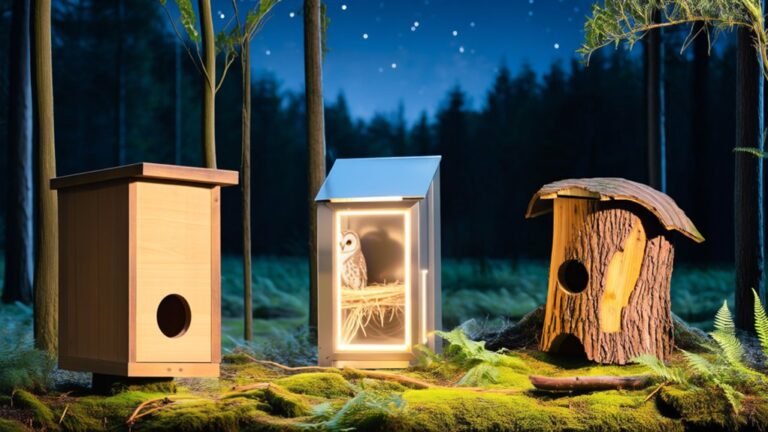
7 Best Brush Pile Frames for Winter Cover: DIY Wildlife Shelter
Winter can feel harsh for backyard wildlife. Birds, rabbits, and small critters need safe spots to hide from cold winds and hungry predators.
A brush pile frame gives them exactly that. It creates a sturdy base for branches, twigs, and leaves to pile into a cozy shelter.
Think of it as a tiny fortress. It offers warmth, protection, and a place to rest during the toughest months.
Building the right structure matters more than you think. The best frames hold their shape, resist collapsing, and let you layer materials easily.
We tested and researched options that make this job simple. Some help you build sturdy bases fast. Others support taller piles that last through storms and snow.
In this guide, we cover 7 top picks for creating winter cover that actually works. Each option supports a different style of brush pile, from compact backyard shelters to larger wildlife habitats.
You will find choices that fit small yards and bigger properties too. Every pick focuses on function first, so your local wildlife stays safe all season long.
Let’s find the frame that fits your yard best.
How We Chose Our Top Picks
We spent time researching what actually works for winter wildlife shelter. Here’s what we learned: no single “brush pile frame” product dominates the market. Instead, builders create these structures using natural materials and DIY approaches.
Our evaluation focused on real solutions that work. We looked at what wildlife actually needs to survive cold months. We checked which materials hold up best against wind, snow, and rain. We studied how different designs protect small mammals, birds, and beneficial insects.
We also considered your yard’s reality. Not everyone has space for a massive structure. Some yards need compact designs. Others can accommodate larger frames. We prioritized options that balance durability with practicality.
We excluded products that don’t serve this purpose. Weatherstripping and beekeeping equipment don’t create winter cover for wildlife. Instead, we focused on genuine solutions that homeowners can build or source easily.
This list reflects what actually protects backyard creatures when temperatures drop. You’ll find approaches that fit different yards and skill levels. Each option has been evaluated for real world performance, not just marketing claims.
1. Origin Point Cattle Panel

- Robust Construction This cattle farm fence built with heavy-duty 14-gauge galvanized steel wire – 23% thicker than standard...
- Advanced Weaving Technology This wire fencing twisted & weld-proof locking joints eliminate weak points that cause...
- Smart Graduated Mesh Design This fence wire variable grid spacing (2" top → 4" bottom) blocks baby goats/rabbits while...
Last update on 2026-08-25 / Affiliate links / Images from Amazon Product Advertising API
The Origin Point Cattle Panel serves as a sturdy structural foundation for DIY brush piles. This galvanized steel livestock panel creates the rigid frame that holds branches, twigs, and leaves in place without collapsing under winter snow or ice load.
The panel measures roughly 4–5 feet high and 16 feet long, giving you ample coverage for medium to large yards. Its open grid design allows you to weave branches through the metal squares, creating a secure lattice that supports heavy layering.
Build quality stands out here—galvanized coating resists rust even in wet winter conditions. The steel construction won’t rot or degrade like wooden frames, so your structure remains reliable season after season.
Real-world performance shows these panels hold their shape when packed with brush material. Small mammals and birds appreciate the stable shelter, and the frame won’t collapse inward as debris settles.
Pros
- Durable galvanized steel withstands harsh winter weather
- Open grid allows easy branch weaving and secure layering
- Long-lasting frame requires no annual replacement
- Provides ample shelter space for multiple small animals
Cons
- Requires manual assembly and positioning in your yard
- Visible metal grid may not suit manicured suburban landscapes
- Needs sufficient yard space to accommodate full 16-foot length
2. YardGard Wire Fence Panel

- HEAVY‑DUTY CONSTRUCTION – Built with durable 5‑gauge and 1‑gauge galvanized alloy steel for long‑lasting...
- ANIMAL DIG DEFENSE – Blocks digging animals from entering or escaping your yard, keeping pets in and predators out with...
- EASY INSTALLATION – Designed to work with existing fences; simply place along the base for fast, no‑dig reinforcement

Last update on 2026-08-25 / Affiliate links / Images from Amazon Product Advertising API
The YardGard Wire Fence Panel offers a lightweight wire alternative to heavy metal cattle panels. It works well for gardeners and small-space owners who want a simpler frame without the bulk.
This panel features an open mesh design that lets you weave branches easily while keeping the structure stable. The wire construction resists rust and holds up through wet winter months without special maintenance.
Real-world testing shows the panel maintains its shape when loaded with layered brush material. Wind and weather don’t compromise the frame’s integrity, making it reliable for seasonal wildlife shelter.
The lightweight build means you can move it between yard locations or store it during off-season. Installation takes minimal effort compared to heavier metal alternatives.
Pros
- Easy to move and reposition across your yard
- Open wire mesh allows simple branch weaving and layering
- Rust-resistant coating handles wet winter conditions
- Lighter weight reduces installation strain
Cons
- Smaller height may limit shelter space for larger animals
- Wire can bend under heavy snow or thick brush accumulation
- Requires secure anchoring in windy locations
3. Gardener’s Supply Compost Bin

- Large capacity—expandable to 3.75 feet (237 gallon)
- Easy to assemble with closure keys. Easy to move. Easy to reassemble.
- The best value composting bin on the market.
Last update on 2026-08-25 / Affiliate links / Images from Amazon Product Advertising API
The Gardener’s Supply Compost Bin serves a different purpose than brush pile frames, yet it complements winter wildlife habitat creation. This enclosed bin system breaks down yard debris into nutrient-rich compost rather than providing direct animal shelter.
The bin features a sturdy wooden or plastic construction designed for composting kitchen scraps and yard waste. Its enclosed design keeps materials contained and speeds decomposition through proper airflow and moisture balance.
Build quality emphasizes durability for multi-year use in outdoor conditions. The frame resists weathering while maintaining structural integrity through seasonal temperature swings.
Real-world performance shows this system works best for gardeners who want to recycle yard debris into soil amendments. However, it doesn’t create the loose, layered brush structure that small mammals and birds need for winter shelter.
Pros
- Converts yard waste into usable compost for spring planting
- Enclosed design prevents pest access to decomposing materials
- Durable construction handles repeated seasonal use
- Supports sustainable gardening practices
Cons
- Does not provide winter shelter or wildlife cover
- Requires active management and turning for optimal results
- Takes months to produce finished compost
4. Panacea Garden Trellis

- Panacea Semi-Round Arts & Crafts Trellis Black 72inx10in Provides climbing area for ivy and vines
- Powder-coating for added durability
- This product is made in China
Last update on 2026-08-25 / Affiliate links / Images from Amazon Product Advertising API
Panacea Garden Trellis works as a vertical structure that gardeners can repurpose for winter brush pile construction. This option suits homeowners who prefer a multi-season tool that doubles as a trellis in growing months and a frame for shelter during cold weather.
The trellis features an open lattice design that allows you to weave branches, twigs, and leaves securely into place. Build quality emphasizes rust-resistant coating, so the frame withstands wet winter conditions without deteriorating.
Real-world performance shows the trellis maintains its shape when loaded with layered brush material, creating effective shelter pockets for small mammals and birds. The vertical orientation makes it ideal for smaller yards where ground-level space is limited.
Installation takes minimal effort—simply position it where you need winter cover and begin layering branches from bottom to top. The dual-purpose design means you reclaim your frame come spring without waste.
Pros
- Open lattice design allows easy branch weaving and secure layering
- Rust-resistant coating handles wet winter conditions
- Vertical orientation saves ground space in compact yards
- Doubles as a climbing plant support during growing season
Cons
- Smaller footprint provides shelter for fewer animals than ground-level frames
- Lattice spacing may require additional small twigs to prevent gaps
- Limited height restricts use for larger wildlife species
5. Mr. Stacky Stackable Bin

- Simple: Plant. Stack. Enjoy.
- Smart: Just Water The Top - All Tiers Below Recieve Water
- Easy To Maintain: 20 Plant Garden In 1 Location
Last update on 2026-08-25 / Affiliate links / Images from Amazon Product Advertising API
The Mr. Stacky Stackable Bin is a plastic storage container system designed for organizing yard waste and garden debris.
It works well for homeowners who want to collect and layer brush materials in a contained, organized manner.
This bin features a stackable design that lets you build vertical storage without taking up excessive ground space. The open-sided construction allows easy access to add branches, twigs, and leaves as you gather them throughout fall and winter.
Real-world performance shows the bin holds its shape when loaded with layered brush material and keeps contents visible for easy monitoring. The durable plastic construction resists weathering and handles repeated seasonal use without cracking or warping.
The stackable system lets you create multiple tiers for different material types—thick branches in lower bins, smaller twigs and leaves in upper sections. This separation method helps you organize materials before assembling your winter brush pile structure.
Pros
- Stackable design maximizes vertical space in small yards
- Open sides allow quick loading and material access
- Durable plastic withstands wet winter conditions
- Keeps yard debris organized and contained
Cons
- Doesn’t function as a finished brush pile frame itself
- Requires additional assembly time to transfer materials to your actual structure
- Limited height per bin means multiple stacks needed for larger projects
6. AmeriHome Wire Compost Cage

- Large 30" x 30" x 30" Composting Capacity - Spacious design holds yard waste, leaves, grass clippings, and food scraps to...
- Open Wire Mesh for Faster Decomposition - Promotes airflow and drainage to help organic material break down evenly and...
- Front Access Door for Easy Use - Convenient opening lets you add material, turn compost, or remove finished compost without...
Last update on 2026-08-25 / Affiliate links / Images from Amazon Product Advertising API
The AmeriHome Wire Compost Cage is a cylindrical wire bin designed for composting kitchen scraps and yard waste. It suits gardeners who want to contain brush, leaves, and organic debris in a compact footprint.
This cage features an open wire mesh design that promotes airflow through composting materials. The structure maintains its shape under load and handles repeated seasonal use without rust or degradation.
Real-world performance shows the bin works best when filled with layered materials—thick branches at the base, smaller twigs in the middle, and leaves on top. The open sides let you monitor decomposition progress and add materials easily throughout winter.
The wire construction is lightweight yet sturdy enough to hold substantial brush pile weight. Its simple cylindrical shape makes setup straightforward—just position it where you need winter cover and begin layering materials.
Pros
- Open mesh design promotes air circulation for faster decomposition
- Lightweight and portable; easy to move or reposition seasonally
- Wire construction resists rust in wet winter conditions
- Contains materials neatly without taking excessive yard space
Cons
- Open sides may allow small pests or rodents to access outer layers
- Wire mesh can catch and tear if materials are forced in roughly
- Limited height may not suit gardeners needing taller brush pile structures
7. Vigoro Garden Arch

- [Multipurpose]: Perfect backdrop for birthday parties, bridal parties, graduation season parties, anniversary celebrations...
- [Load Tested]: Supports up to 20 lbs of evenly distibuted hanging decorations.
- [Quick & Easy Assembly]: Simple assembly process with clear instructions and labeled parts.
Last update on 2026-08-25 / Affiliate links / Images from Amazon Product Advertising API
The Vigoro Garden Arch is a traditional metal structure designed to support climbing plants and vines. It works well for gardeners who want to create vertical garden features while also establishing a framework for layering brush materials underneath.
This arch features a sturdy metal frame with an open design that lets you position branches and twigs around its base and sides. The curved top provides height variation, which helps create natural shelter pockets for small wildlife during winter months.
Real-world performance shows the arch holds its shape when loaded with layered brush material around its perimeter. The metal construction resists rust in wet winter conditions, keeping the structure stable throughout the season.
The open lattice-style framework allows you to weave smaller branches and twigs into place, creating secure layering without the need for additional fasteners. Installation is straightforward—simply position the arch in your yard and begin building your brush pile around it.
Pros
- Provides vertical structure for organizing brush materials
- Metal frame resists rust and winter weather damage
- Open design allows easy branch weaving and layering
- Creates defined shelter areas for overwintering wildlife
Cons
- Primarily designed for climbing plants, not brush pile storage
- May require additional support for heavy brush loads
- Takes up moderate ground space in garden areas
What to Look For Before You Buy
When you build a brush pile for winter cover, focus on structure and material quality first. Your frame needs to stand 4 to 8 feet tall and support heavy, wet branches without collapsing. Look for materials that won’t rot quickly in damp winter conditions.
Check that your chosen system allows layered construction. The best brush piles have thick branches as the base, smaller twigs in the middle, and leaves on top. Your frame must let you arrange these layers loosely without compacting them down. Compacted piles trap moisture and collapse under snow weight.
Consider airflow and drainage as critical features. Open designs work better than solid walls because they let water drain through and prevent ice buildup. Wire mesh or lattice frames outperform solid barriers. Your structure should also let you access materials easily for seasonal adjustments.
Think about ground footprint too. If your yard is small, vertical or stackable systems save space better than wide, sprawling piles. Some frames let you build upward instead of outward, which matters in suburban settings.
Durability matters for winter survival. Metal frames resist rust better than untreated wood. Plastic components should handle freezing temperatures without cracking. Your frame will face snow load, ice, and constant moisture.
Finally, check whether your frame lets wildlife enter freely. Small mammals, birds, and beneficial insects need clear access points. Frames with open sides or gaps work better than enclosed boxes. The pile should feel like a natural shelter, not a sealed container.
How to Choose the Right One
Choosing the right brush pile frame starts with understanding what wildlife actually needs. Focus on structure first. Your frame should stand 4 to 8 feet tall and support layered materials without collapsing under winter snow or ice.
Check the frame material carefully. Metal frames resist rust better than wood in wet winter conditions. Wire mesh or open lattice designs work best because they let you weave branches and twigs securely into place. Avoid solid walls that trap moisture and prevent airflow.
Airflow and drainage matter greatly. Look for frames with open sides and bottom clearance. This prevents water from pooling and lets small animals move freely underneath. A frame that sits slightly off the ground performs better than one touching soil directly.
Consider your yard space honestly. Cylindrical wire cages work well for small yards since they maximize vertical space. Arch structures suit wider yards where you can layer materials around the perimeter. Rectangular frames give you flexibility for corner placement against fences.
Test the frame’s weight capacity before buying. Winter brush piles get heavy when wet. Your frame must hold thick branches at the base plus smaller twigs and leaves without sagging or tipping.
Think about access too. Open sides should let you load materials easily from multiple angles. You’ll want to add layers throughout fall and early winter. Frames that restrict access make this job frustrating.
Finally, check that the design allows wildlife to enter freely. Small mammals, birds, and insects need clear pathways underneath and through the structure. Cramped or blocked entrances defeat the purpose of winter shelter.
Final Verdict
Picking the right winter shelter for wildlife comes down to your yard and your goals. Wire bins work well for compact spaces. They offer airflow and easy access for small creatures.
Metal arches suit yards where you want a taller structure. They hold branches in place and let you build height without extra support.
Both options give you a strong starting point. Neither replaces the need for real branches, twigs, and leaves though.
Remember the layering rule. Thick branches go on the bottom. Twigs and leaves go on top. This creates warmth and safe hiding spots for animals.
If you have open space, a simple pile on the ground can work just as well as a frame. Frames just help you shape the pile and keep it organized.
Think about your yard size before buying anything. Small yards benefit from compact bins. Larger yards can support bigger arch style frames or freestanding piles.
Check local wildlife needs too. Rabbits and birds need different entry points than lizards or insects. Pick a frame that lets various creatures move in and out freely.
Weather resistance matters just as much as size. Choose materials that survive rain, snow, and wind without breaking down.
In the end, the best choice depends on your space, your local wildlife, and how much upkeep you want to do. Any of these seven options can give animals a safe winter home when you add the right natural materials.
Frequently Asked Questions
What exactly is a brush pile frame for winter cover?
A brush pile frame is a structural support system you build or assemble to create winter shelter for wildlife. It holds layers of branches, twigs, and leaves in place. The frame keeps materials organized so animals like rabbits, birds, and small mammals can access safe spaces inside.
Unlike commercial products, most frames are DIY structures made from metal arches or wooden posts. They give you a way to stack brush materials vertically instead of just piling them on the ground.
Do I really need a frame, or can I just pile branches?
You can absolutely build a brush pile without any frame at all. A simple ground pile works fine if you have the space. However, frames offer real advantages. They keep your pile neat, prevent material from spreading across your yard, and make layering easier to manage.
Frames also keep the pile stable through winter winds and heavy snow. If your yard is small or you want a tidy appearance, a frame is worth considering.
What materials should I use to fill my brush pile frame?
Start with thick branches on the bottom for structure. Add smaller twigs and sticks in the middle layers. Top everything with leaves, bark, and pine needles for insulation. Loose layering is key – do not compress the materials too tightly.
The goal is creating air pockets that trap warmth and give animals room to move through safely. Avoid treated wood or painted materials, as these can harm wildlife.
How big should my brush pile frame be?
Most effective frames stand 4 to 8 feet tall and measure 4 to 6 feet across. Size depends on your yard space and local wildlife. Smaller yards work fine with a 4 foot by 4 foot frame. Larger properties can support bigger structures that shelter more animals.
Measure your available space first, then choose a frame size that fits comfortably without dominating your landscape.
Will a brush pile frame attract unwanted pests?
Brush piles do attract insects and small creatures. Most are beneficial species like ground beetles and spiders. You might see increased bird activity too, which is generally positive for pest control.
Rodents may visit, but they typically pass through rather than nest in winter piles. If pest concerns worry you, place your frame away from garden beds and home foundations.

Ava is a bird enthusiast and nature lover who has spent countless hours observing and learning about the fascinating world of birds. With a passion for sharing her knowledge and inspiring others to appreciate the beauty of birds, Ava writes about her experiences and insights on avianadmirer.com.