
How Do I Keep Predators Away From My Bird House?
To keep predators away from your birdhouse, focus on three key areas: location, design, and maintenance. First, choose a safe spot for your birdhouse, away from dense bushes or trees where predators can hide. Next, select a birdhouse design that offers protection. Use materials that are sturdy and incorporate features like small entrance holes to deter larger animals.
Finally, maintain your birdhouse regularly. Clean it out after nesting season and check for any damage that could compromise its safety. Understanding the types of predators in your area will help you adapt these strategies effectively. By taking these steps, you can create a safer home for your birds.
Key Takeaways
- Select birdhouse designs that are strong, using materials like cedar or plywood. Ensure the entrance hole size is suitable for the bird species you want to attract.
- Hang the birdhouse high enough to protect birds from ground predators and climbing threats.
- Keep the area around the birdhouse clean. Remove debris and trim overgrown plants to limit hiding places for predators.
- Place bird feeders at least 10-12 feet away from thick vegetation to reduce predator access. This also helps birds safely reach food.
- Learn about local predators and how they behave. This knowledge will help you create effective strategies to protect your birdhouse.
Choose the Right Location for Your Birdhouse
Choose the Right Location for Your Birdhouse
Select a safe and accessible spot for your birdhouse. Position it away from direct sunlight to keep temperatures comfortable for the birds.
Place the birdhouse near plants or trees to provide natural cover from predators. Dense shrubs or trees offer protection and help birds feel secure.
Hang the birdhouse at a height that's easy for birds to reach while protecting them from ground threats.
Use Predator-Proof Birdhouse Designs
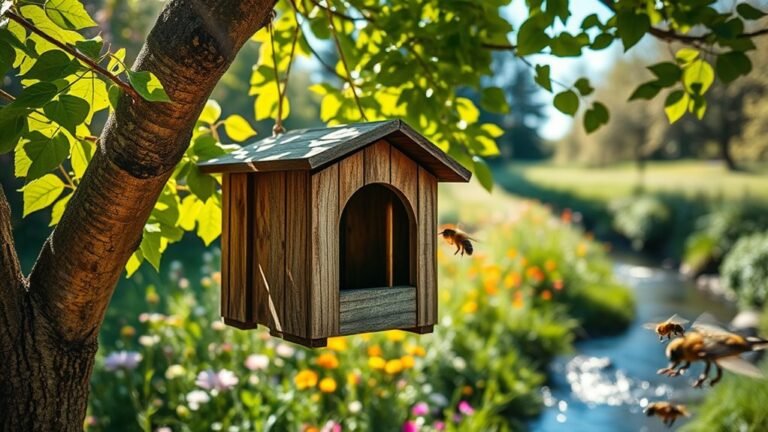
To keep birds safe in your yard, use predator-proof birdhouse designs. Choose strong materials like cedar or plywood. These materials protect against weather and predators.
Make sure the entrance hole is the right size for the birds you want to attract. A smaller entrance can keep larger predators out.
Birdhouses with sloped roofs and smooth edges help prevent climbing predators. Look for houses with ventilation and drainage holes. These features create a healthy environment for birds.
Install a Proper Birdhouse Height
Installing birdhouses at the right height protects nesting birds from predators. Placing them 5 to 10 feet above ground is ideal, depending on the bird species.
Here are key points to consider for height:
- Predator access: Higher birdhouses keep cats and other ground predators away.
- Visibility: Elevated houses are harder for hawks to spot.
- Airflow: Proper height allows for good ventilation for growing chicks.
- Accessibility: Easy access for adult birds encourages them to nest.
Also, pay attention to the birdhouse dimensions. A well-built birdhouse provides safety and comfort for your avian guests.
Implement Barriers and Fencing
To improve the safety of nesting birds, consider adding barriers and fencing around your birdhouse.
Choose materials like wire mesh or stock fencing to keep out larger predators such as raccoons and cats. Use wooden or metal stakes to form a protective perimeter around your birdhouse.
For extra protection, bury part of the fence to stop animals from digging underneath. Ensure that the barriers are tall enough and securely installed to deter predators effectively.
Maintain a Clean Surrounding Area
A clean surrounding area is important for protecting birds from predators. By following simple cleaning routines, you can create a safer habitat for birds.
Regular maintenance helps remove hiding spots for predators and supports ecosystem health.
Here are some steps to improve safety:
- Remove debris that attracts unwanted animals.
- Trim overgrown plants to increase visibility.
- Check regularly for signs of pests or predators.
- Keep birdhouses and feeders clean to prevent scavengers.
Taking these actions will help ensure a safer environment for your feathered friends.
Limit Access to Food Sources
To protect birds from predators, limit access to food sources.
Place bird feeders at least 10-12 feet away from dense cover, like shrubs or trees, where predators can hide. This distance reduces the risk of predators attacking birds from above.
Use feeders that keep larger animals away from the food.
Regularly check your feeders and change their location if you see signs of predator activity.
These steps will create a safer feeding area for birds. Your actions will help support a healthy bird community in your backyard.
Use Natural Deterrents
Using natural deterrents can improve the safety of your birdhouses by keeping predators away.
You can use herbal repellents and natural scents to make the area less inviting for threats. Here are some effective options:
- Peppermint oil: Its strong scent can deter many animals.
- Lavender: This pleasant aroma can keep unwanted visitors at bay.
- Citrus peels: The sharp scent of citrus is often disliked by predators.
- Eucalyptus leaves: Their strong fragrance can help repel pests.
By using these natural methods, you protect your birds and create a peaceful environment in your yard.
This care for wildlife strengthens your bond with nature and supports a nurturing space for all living things.
Monitor and Adjust Regularly
To keep your birdhouses secure, regularly monitor and adjust your strategies.
Check for any new threats or changes in predator behavior. If you see a specific predator visiting more often, strengthen barriers or move your birdhouses.
This active approach creates a safer space for birds. Stay flexible and responsive to what you observe.
Educate Yourself on Local Predators
Learn About Local Predators
Knowing the local predators in your area is important for protecting your birdhouses and the birds that visit them. By understanding local wildlife and their behavior, you can take steps to keep your birds safe.
Here are some common threats to consider:
- Raccoons have strong, skillful paws.
- Hawks are sharp-eyed hunters.
- Snakes are quiet and can go unnoticed.
- Domestic cats are natural predators that may be nearby.
Identifying these predators helps you create effective ways to keep them away. Look into their habits and when they're most active.
Join local birdwatching groups to share tips and ideas with others. Together, you can create a safe space for your birds, helping them feel at home in your birdhouses.
Frequently Asked Questions
What Types of Predators Should I Be Most Concerned About?
You should pay close attention to squirrel threats and raccoon raids. Squirrels can easily access birdhouses. Raccoons often raid nests to steal eggs. Knowing about these predators helps you protect your birds better.
Can I Use Essential Oils to Deter Predators?
Using essential oils can help deter predators, but results may vary. Research oils known for their repellent properties. Make sure the oils are safe for birds while offering protection against potential threats.
How Often Should I Check My Birdhouse for Predators?
Check your birdhouse every week for signs of predators. Regular checks help keep your birds safe and improve your birdwatching experience. You can also use predator deterrents, such as essential oils, to create a safer space for your birds. This simple practice can make a big difference in protecting your feathered friends.
Are There Specific Birdhouse Designs for Different Bird Species?
Yes, specific birdhouse designs exist for different bird species. These designs take into account the nesting habits of each species. Choosing the right materials for the birdhouse ensures it lasts and provides comfort. This increases the chances of attracting the birds you want to your garden or backyard.
What Are the Signs of a Predator Attack on My Birdhouse?
Look for signs of a predator attack on your birdhouse. Common indicators include scattered feathers, broken twigs, and distress calls from your birds. After an attack, you may find claw marks or damage around the entrance, showing that a predator has tried to get in. Stay vigilant to protect your birds.

Ava is a bird enthusiast and nature lover who has spent countless hours observing and learning about the fascinating world of birds. With a passion for sharing her knowledge and inspiring others to appreciate the beauty of birds, Ava writes about her experiences and insights on avianadmirer.com.