
Manzanita Perch Review: Should You Buy This in 2026?
Birds need more than a plastic dowel to feel at home. They need something that mimics nature. That is where the Manzanita Perch comes in.
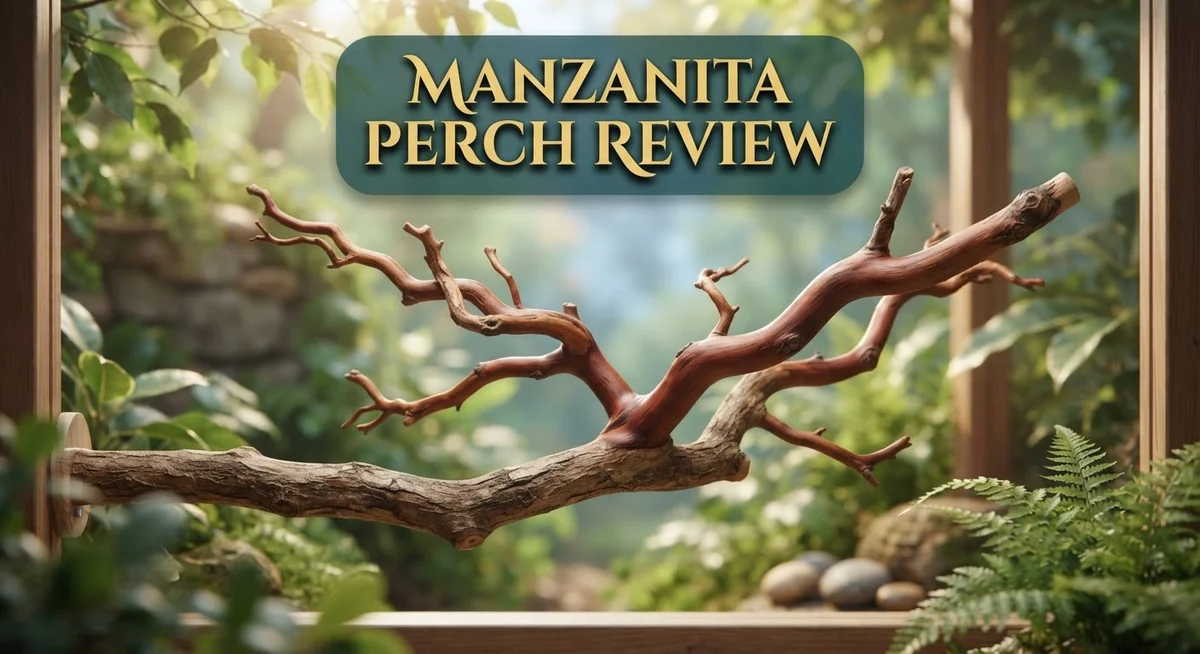
This perch comes from real hardwood found in Southern California mountains. Each piece has a unique shape with natural twists and bumps.
Your bird’s feet will thank you. The varied diameter keeps their feet active and healthy. This helps prevent sore spots that flat perches often cause.
This perch is also dense and chew-resistant. It stands up to sharp beaks and daily activity without falling apart fast.
Cleaning is simple too. The smooth surface wipes down easily, so you spend less time scrubbing and more time enjoying your pet.
Want to know if this perch fits your bird’s cage? Let’s look closer at what makes it special.
In a Nutshell
Here’s a quick rundown of what makes the Manzanita Perch stand out for your feathered friend.
-
Natural variety in every piece: Each branch has its own twists, bumps, and curves. Your bird gets a unique perch that mimics real outdoor branches.
-
Multiple size options: You can pick perches from 6 to 48 inches. This makes it simple to match your bird’s cage and species needs.
-
Multi-branch designs available: Some variants come with several branches attached. Your bird gets more room to move and play.
-
Kiln-dried for safety: The wood goes through a drying process before it reaches you. This step helps reduce moisture and bacteria risks.
-
Tool-free installation: Many versions include a bolt, washers, and wingnuts. You can set up the perch without extra tools.
-
Safe and neutral material: The hardwood stays non-toxic and chemically neutral. Your bird can chew and climb without any harmful exposure.
This perch checks the boxes for durability, variety, and easy setup. It gives your bird a natural space to grip, chew, and explore safely.
Material and Wood Quality
The wood quality of the Manzanita Perch sets it apart from standard plastic dowels. This perch uses natural hardwood sourced from Southern California mountains, which means your bird gets a genuinely solid grip.
The hardwood itself is extremely dense. This density makes the wood highly resistant to chewing and splintering. Birds that like to gnaw on their perches won’t easily damage it. The wood also stays smooth after kiln-drying, so you won’t find rough edges that could hurt your bird’s delicate feet.
One key feature is the variable texture. Unlike uniform plastic perches, the Manzanita Perch has a twisty, branchy structure. Some areas are thicker, others thinner. This natural variation actually benefits your bird’s feet. The changing diameter helps exercise different foot muscles and prevents the repetitive strain that comes from gripping the same thickness all day.
Natural imperfections are part of the package. Each piece has its own bumps, curves, and character. These aren’t flaws. They’re signs the wood is authentic and unprocessed. Some bird owners love this organic look. If you prefer perfectly uniform perches, this might feel different from what you expect.
The wood remains non-toxic and chemically neutral throughout its life. No coatings, paints, or treatments are needed. You don’t have to worry about harmful fumes or chemical leaching into your bird’s environment.
Cleaning is straightforward because of the smooth surface. Dust and droppings don’t cling to rough spots. A quick wipe with a damp cloth keeps it fresh. Over time, the wood may develop a patina, but this doesn’t affect safety or function.
The kiln-drying process ensures the wood reaches you safe and ready to use. This step removes excess moisture and kills potential bacteria or mold. You get a perch that’s both durable and hygienic from day one.
The combination of hardness, natural texture, and chemical safety makes the Manzanita Perch a solid choice for birds that deserve better than plastic.

- COMPLETE COMBO SET: Includes 4 Manzanita multi-branch perches, 2 ledge platforms, 2 eight-inch Fir perches, and 5 colorful...
- NATURAL MANZANITA WOOD: Perches and platforms are crafted from durable Manzanita wood, providing a natural feel and texture...
- COLORFUL CHEW TOYS: The 5 hanging chew toys feature vibrant wooden blocks, beads, and bells to keep medium to large birds...
Last update on 2026-09-11 / Affiliate links / Images from Amazon Product Advertising API
Size Options and Installation
The Manzanita Perch comes in a wide range of sizes to fit different cage setups and bird species. You can find options from 6 inches up to 48 inches long. This flexibility means whether you have a small finch cage or a large parrot enclosure, there’s likely a size that works for your space.
Each perch has a natural, twisty branch shape with variable diameter. The wood isn’t uniform like plastic dowels. Some spots are thicker, other areas are thinner. This natural variation actually benefits your bird’s feet by engaging different muscle groups as they grip and move around.
Multi branch variants also exist if you want more perching options in one setup. Instead of a single branch, you get several connected pieces. This gives your bird more choices for where to rest and climb throughout the day.
Installation is straightforward and requires no special tools. Each perch comes with a bolt, washers, and wingnuts included in the package. You simply position the perch in your cage and tighten the hardware by hand. The process takes just a few minutes, and your bird can start using it right away.
The kiln drying process happens before the perch ships to you. This means the wood arrives safe, stable, and ready to use. You don’t need to worry about moisture, mold, or chemical treatments. The perch is good to go straight from the box.
Natural imperfections are normal and expected with this product. Bumps, slight cracks, and irregular surfaces come with authentic hardwood. These aren’t defects. They’re actually features that make each perch unique and beneficial for foot exercise.
Cleaning the perch is easy thanks to the smooth, dense surface. A quick wipe with a damp cloth removes droppings and debris. The hardwood doesn’t absorb moisture or harbor bacteria like softer materials might. This makes maintenance simple and keeps your bird’s environment hygienic.
Texture and Foot Exercise Benefits
The variable texture of the Manzanita Perch offers real benefits for your bird’s feet. Unlike smooth plastic dowels, this natural hardwood has twists, bumps, and curves that change along the branch. Your bird’s feet grip different diameters as they move, which keeps their muscles active.
This constant variation strengthens foot muscles in ways standard perches cannot. Birds naturally grip branches of different widths in the wild. The Manzanita Perch mimics that natural behavior. Your feathered friend exercises their toes, talons, and leg muscles every time they land and shift position.
The bumpy, textured surface also promotes better blood circulation in your bird’s feet. Smooth surfaces can reduce grip strength over time. A perch with natural imperfections encourages your bird to engage their foot muscles more fully. This reduces the risk of foot problems that come from sitting on flat, unchanging surfaces.
Foot health matters for long term bird wellness. Birds spend most of their day on perches. If that perch does not challenge their feet, weakness develops. The Manzanita Perch prevents this by giving their feet something real to work with.
The dense hardwood also resists wear from constant gripping and chewing. Your bird can grip hard without the perch breaking down or splintering. This durability means the texture stays consistent month after month. Your bird gets reliable foot exercise every single day.
Natural imperfections in the wood are actually a feature, not a flaw. Cracks, bumps, and ridges create the varied grip surfaces your bird needs. Each piece is slightly different, which adds even more exercise variety. Your bird never gets bored with the same smooth surface.
The smooth overall finish of the perch prevents splinters while the textured surface keeps grip challenging. This balance protects your bird while maximizing foot health benefits. Your bird stays active, engaged, and physically fit. The Manzanita Perch supports natural behavior and prevents the foot weakness that comes from poor perching options.
Top 3 Alternatives
Java Wood Perch

- Java Wood Multi Branch Perch - Small
- Natural Java Wood Branches are good for your bird with natural, varied diameters to exercise your bird's feet
- Environmentally friendly java wood uses wood from non-fruit bearing coffee trees which are normally removed to make way for...
Last update on 2026-09-11 / Affiliate links / Images from Amazon Product Advertising API
Java wood comes from the Java tree and offers a natural climbing surface for your bird. This perch has a rough texture that helps birds grip with their feet. The wood is durable and long-lasting, so it won’t splinter or break easily. Many bird owners choose Java wood because it feels authentic to what birds experience in nature.
The perch works well for parrots, macaws, and other large birds. You can clean it with warm water and let it dry completely before placing it back in the cage. Java wood naturally resists moisture, which makes maintenance simple.
Komodo Driftwood Branch

- DRIFTWOOD FOR SALE IN 12”- 24" SIZES Utilize versatile driftwood for crafts
- CALIFORNIA MANZANITA DRIFTWOOD, originates from native shrubs in California.
- SAFE FOR DRY REPTILE ENVIRONMENTS ONLY Enhance your desert reptile dry habitat.
Last update on 2026-09-11 / Affiliate links / Images from Amazon Product Advertising API
Driftwood branches provide a unique aesthetic while serving as functional perches. The Komodo version comes from sustainably sourced materials. These branches have varied diameters, which helps exercise different parts of your bird’s feet and legs.
Driftwood is lighter in weight compared to other wood types, making it easy to install and reposition. The natural weathered appearance adds visual interest to your bird’s environment. Birds appreciate the irregular surface because it mimics branches they’d find outdoors.
Exo Terra Natural Branch

- Naturalistic Design: The Exo Terra Forest Branch is made from real wood and shaped to mimic natural tree branches, creating a...
- Perfect for Climbing & Basking: Provides a sturdy, three-dimensional structure that allows reptiles to climb, bask, and...
- Heat Treated for Safety: Each branch is heat treated to remove pests and ensure safety for your terrarium pets. Clean...

Last update on 2026-09-11 / Affiliate links / Images from Amazon Product Advertising API
Exo Terra creates branches using natural materials that are safe for birds. The product features multiple grip points along its length. Your bird can choose different spots depending on their comfort level and mood.
These branches are easy to install in most cage setups. They work for small to medium-sized birds and provide excellent foot exercise. The natural texture encourages birds to grip and shift their weight, promoting healthy leg muscles.
All three options give your bird a more natural perching experience compared to standard dowels or plastic perches.
Durability and Chew Resistance
The Manzanita Perch stands out because it resists chewing damage far better than standard dowel perches. Birds that love to gnaw on wood will find this hardwood genuinely challenging. The dense grain structure means your bird works harder to create any visible wear, which keeps the perch looking fresh longer.
Real world use shows that even aggressive chewers struggle to splinter or break this wood. The kiln drying process strengthens the wood fibers before it reaches your home. This preparation step matters because it locks in durability from day one.
Natural imperfections actually enhance chew resistance. Small bumps and texture variations distribute bite force unevenly across the surface. Your bird cannot grip a smooth dowel the same way, so chewing effort increases. This natural irregularity becomes a practical advantage for longevity.
The smooth overall finish prevents splinters while the textured areas stay firm under pressure. Birds experience consistent grip without sharp edges. Over time, this balance keeps both the perch and your bird safe.
Hardwood density varies slightly between individual perches, which is normal for natural wood. Some pieces may show minor surface cracks or color variations. These marks do not affect function or safety. In fact, they prove the wood is genuinely natural rather than mass produced plastic.
Long term durability depends partly on your bird’s species and chewing intensity. Larger parrots may show visible marks faster than smaller birds. The perch still remains structurally sound and safe to use. Many owners report their Manzanita Perch lasting several years without replacement.
Cleaning after visible wear is simple because the surface stays smooth. Debris does not lodge in cracks. A quick rinse or wipe keeps the perch hygienic. The dense wood does not absorb moisture easily, so drying happens fast.
The combination of hardness and natural texture creates a perch that ages well. Your bird gets a durable surface that challenges their feet and resists damage simultaneously. This makes the Manzanita Perch a practical choice for birds that chew actively.
Cleaning and Maintenance
Keeping your Manzanita Perch clean is straightforward because the dense hardwood surface resists buildup. The smooth finish means dirt, droppings, and debris wipe away easily with a damp cloth or soft brush.
Start with a dry cloth to remove loose particles. Then dampen a soft cloth with lukewarm water and gently wipe the entire perch surface. For stubborn spots, you can use a soft-bristled brush to scrub gently without damaging the wood. Avoid harsh chemicals, bleach, or soaking the perch in water for extended periods.
The key advantage here is that the smooth, kiln-dried surface doesn’t absorb moisture like softer woods do. This means your perch dries quickly after cleaning. Just let it air dry completely before returning it to the cage. Proper drying prevents mold and keeps the wood healthy.
For routine maintenance, weekly spot cleaning works well. Wipe down areas where your bird spends the most time. Monthly deep cleaning involves a thorough wipe-down with a damp cloth and allows the perch to dry completely. This schedule keeps bacteria levels low without over-cleaning.
The natural imperfections in the wood actually make maintenance easier. Crevices and textured areas don’t trap as much debris as you might think because the overall hardness prevents material from embedding deep into the wood. The bumpy texture stays firm and doesn’t splinter or deteriorate from regular cleaning.
Never use sandpaper or try to smooth out natural cracks. These features are part of the perch’s design and durability. Attempting to modify the surface can weaken the wood and create actual splinter hazards.
Replace your Manzanita Perch if you notice deep cracks that develop over time, though this rarely happens with proper care. Regular cleaning and air drying are your best tools for extending the life of your perch. Most bird owners find that one perch lasts several years with basic maintenance, making upkeep simple and effective.
Pros and Cons
Pros
- Natural hardwood resists chewing damage far better than standard dowel perches, even from aggressive chewers
- Variable diameter and bumpy texture strengthen your bird’s foot muscles and improve blood circulation
- Smooth, kiln-dried surface prevents splinters while staying firm under constant pressure
- Tool-free installation with included bolt, washers, and wingnuts makes setup quick and easy
- Non-toxic and chemically neutral, so your bird stays safe during daily use
Cons
- Natural imperfections like bumps and cracks vary from piece to piece, which is normal but unpredictable
- Limited information on specific durability timelines for different bird species and chewing habits
- Deep cracks may eventually develop over extended use, requiring replacement in rare cases
Who Should Buy It
Manzanita Perch works best for bird owners who want a natural, long lasting perch option. If your bird is an aggressive chewer, this perch handles serious beak pressure better than standard dowel perches.
Parrots and large hookbills benefit most from Manzanita. Species like macaws, African greys, and cockatoos need perches that resist constant gnawing. The dense hardwood stands up to their powerful beaks without splintering or breaking easily.
Small to medium birds also thrive on these perches. Conures, amazons, and caiques enjoy the variable diameter and textured surface. These features exercise their feet and improve circulation during daily use.
You should consider Manzanita if you prefer minimal maintenance. The kiln dried surface resists moisture and buildup better than softer woods. Cleaning takes just a dry cloth most days, making it practical for busy bird owners.
Natural wood enthusiasts love Manzanita for its authentic look and feel. If you want your bird’s cage to feel more like a natural habitat, this perch delivers that aesthetic. The twisty branches and irregular shapes create visual interest too.
Bird owners concerned about safety appreciate the non toxic, chemically neutral properties. Your bird can chew and interact with the wood without health risks. No harmful treatments or coatings means peace of mind during everyday use.
Skip Manzanita if you need perfectly uniform perches. Natural imperfections vary between pieces, so each one looks slightly different. Some owners love this uniqueness; others prefer consistency.
You might also avoid Manzanita if your bird has sensitive feet or arthritis. The variable texture and bumpy surface work great for healthy birds. Birds needing smooth, consistent support might do better with alternative options.
Multi bird households often choose Manzanita because different sizes fit various cage setups. You can mix and match perches from 6 inches up to 48 inches. This flexibility lets you customize each bird’s space without buying multiple perch types.
Installation matters too. If you want tool free setup, Manzanita’s included bolt and wingnut system makes it simple. No drilling or special equipment needed, so most owners set it up in minutes.
Final Verdict
The Manzanita Perch stands out as a smart choice for bird owners who want something natural. This perch brings real value to any cage setup through its combination of strength and bird friendly design.
When you compare it to competitors like Featherland Paradise or All Living Things, Manzanita holds its own. Each brand offers similar hardwood benefits, but the unique twisty shapes give Manzanita its own charm.
Rope and jute perches simply cannot match what natural wood provides. Your bird gets better foot exercise and a more authentic experience with Manzanita than with softer alternatives.
This perch works well across many bird species and cage types. Its versatility makes it a solid pick whether you own one bird or several.
Some buyers might feel unsure about natural variations in shape and texture. That’s completely normal and expected with any organic material like this.
Think of Manzanita as an investment in your bird’s daily comfort. The perch supports healthy feet, keeps your bird engaged, and lasts through regular use without much fuss.
If you already own dowel perches, upgrading to Manzanita brings noticeable improvements. Your bird will likely spend more time exploring the varied surface and texture.
We recommend Manzanita Perch for most bird owners looking for a dependable, natural option. It checks the right boxes for durability, safety, and bird enrichment.
Before you buy, think about your bird’s specific needs and habits. Birds with foot sensitivities might need a different solution, but most birds will thrive here.
Overall, this perch delivers on its core promise. It gives birds a natural surface that supports healthy behavior and long term comfort.
Simple to install and easy to maintain, Manzanita fits smoothly into any bird care routine. That combination of practicality and quality makes it a trustworthy addition to your aviary.
For anyone comparing natural perch options, Manzanita remains a strong contender worth adding to your cart today.
Frequently Asked Questions
Will a Manzanita Perch splinter or crack over time?
Manzanita wood is kiln-dried and extremely dense, which makes splinters rare. The smooth surface stays firm under constant pressure from your bird’s feet.
Natural imperfections like small bumps and cracks can appear from piece to piece. This is normal for real wood and does not mean the perch is defective.
Over time, heavy chewers may cause surface wear. However, the hardwood resists damage far better than softer wood alternatives.
Which bird species benefit most from Manzanita Perches?
Parrots and large hookbills thrive on these perches because the variable diameter and twisty branches exercise their feet naturally.
Small to medium birds also do well with Manzanita. The natural texture provides better grip than standard dowel perches.
Avoid Manzanita if your bird has sensitive feet or arthritis, as the bumpy surface may cause discomfort.
How do I install a Manzanita Perch?
Installation is tool-free. Each perch comes with a bolt, washers, and wingnuts.
Simply attach the perch to your cage using the included hardware. No drill or special equipment needed.
Is Manzanita safe for my bird?
Yes. Manzanita is non-toxic and chemically neutral.
The wood comes from Southern California mountains and contains no harmful treatments or coatings. Your bird stays safe during daily use.
How does Manzanita compare to rope or jute perches?
Natural hardwood provides superior durability and foot exercise compared to rope or jute.
Rope perches wear out faster and harbor more bacteria in their fibers. Manzanita’s smooth, easy-to-clean surface makes maintenance simpler.

Ava is a bird enthusiast and nature lover who has spent countless hours observing and learning about the fascinating world of birds. With a passion for sharing her knowledge and inspiring others to appreciate the beauty of birds, Ava writes about her experiences and insights on avianadmirer.com.


