Large Birds of North Carolina: Majestic Giants of the Sky
In North Carolina, large birds like the Bald Eagle and the Whooping Crane are important to their ecosystems. These birds have special behaviors and traits that help keep the environment healthy. Learning about their feeding habits and social groups shows how vital they are. While you discover their features, think about how human actions affect their numbers and homes. This leads to a discussion about the conservation efforts needed to protect these amazing birds.
Key Takeaways
North Carolina hosts large birds such as the Bald Eagle and Whooping Crane. These birds symbolize strength and beauty.
Conservation efforts have boosted Bald Eagle numbers. These efforts also protect habitats for endangered birds like the Whooping Crane.
The Great Blue Heron is a skilled fisherman. It helps maintain ecological balance by feeding on fish and other aquatic life.
Sandhill Cranes are known for their beautiful courtship dances. They migrate long distances, highlighting the importance of protecting their habitats during travel.
Birdwatching in North Carolina encourages people to appreciate these magnificent birds. This activity fosters community participation in wildlife conservation.
Bald Eagle: The Icon of Power

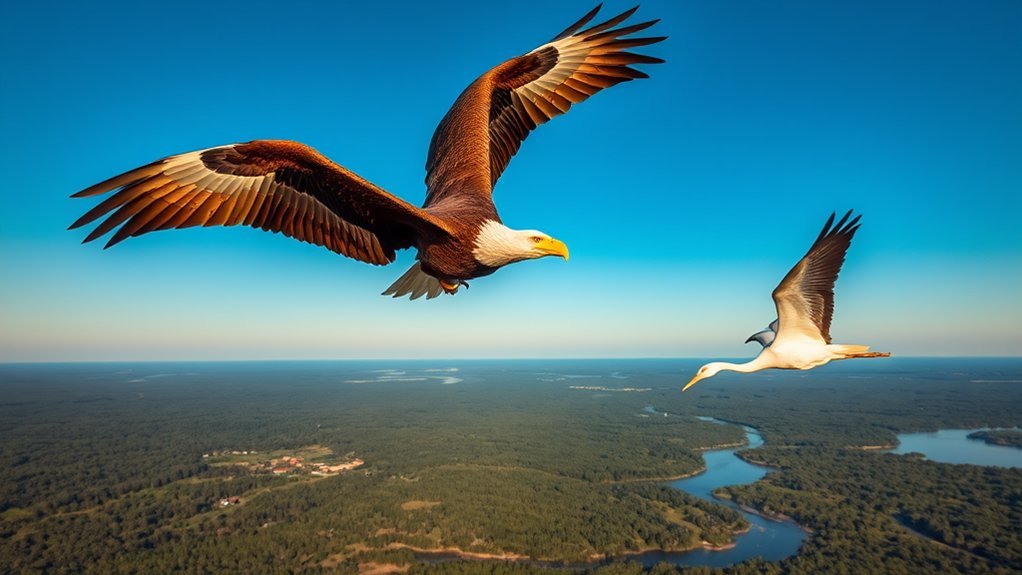
The Bald Eagle is a symbol of strength and freedom. It flies high over the landscapes of North Carolina. This bird shows bald eagle symbolism, which represents resilience and national pride.
It lives in various habitats, including forests and wetlands, which are essential for nesting and hunting. Adult eagles often return to the same nesting sites each year, demonstrating their strong connection to the environment.
During migration, these birds travel long distances to find suitable wintering grounds. Due to conservation efforts, bald eagle populations have grown significantly since the 1970s.
Observing these powerful birds reminds us of the need to protect their habitats for future generations, helping us connect with nature and our community.
Sandhill Crane: The Elegant Dancer
The Sandhill Crane is a striking bird found in North Carolina's wetlands. It's known for its beautiful courtship dances during the mating season. These cranes produce loud trumpeting calls that strengthen bonds within their flocks.
They migrate long distances to reach North Carolina, where they nest in wetland habitats. While in North Carolina, Sandhill Cranes focus on feeding. They eat grains and aquatic plants to sustain themselves.
Conservation efforts are crucial to protect these birds and their environments. Sandhill Cranes can live for over 20 years, showcasing their strength and beauty. They remind us of the importance of maintaining balance in our ecosystem.
Great Blue Heron: The Expert Fisherman
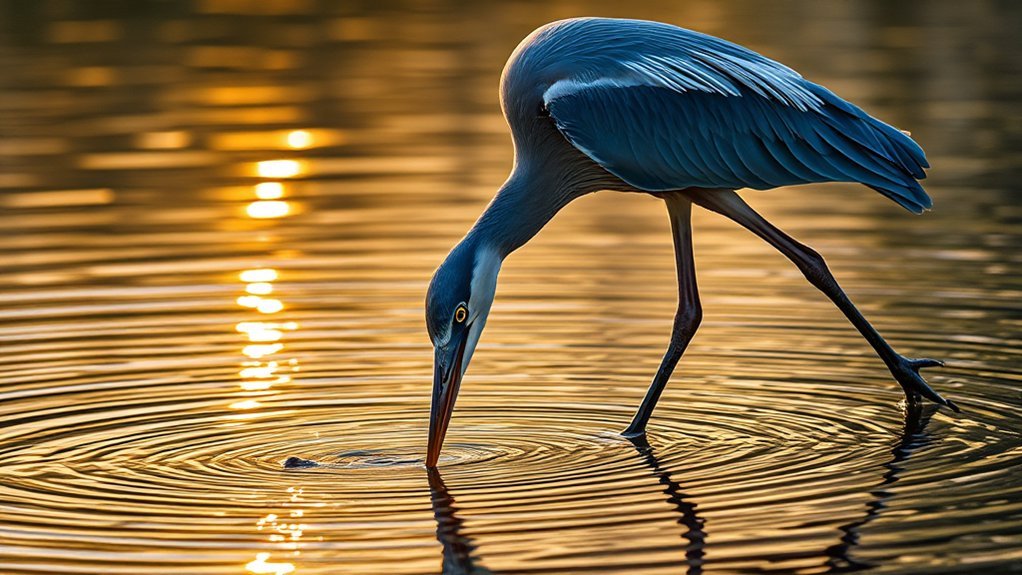
While exploring the waterways of North Carolina, you might see the Great Blue Heron. This bird is known for its impressive fishing skills. Great Blue Herons catch fish using different techniques, such as stalking and quick strikes. They prefer habitats like marshes, ponds, and rivers, where they can find plenty of food.
Great Blue Herons can be solitary, but sometimes they gather in small groups. They build stick nests in tall trees near water for nesting.
During migration, they travel to warmer areas. However, they face threats like habitat loss and pollution. Their feeding habits help keep the ecosystem balanced.
Currently, Great Blue Herons have a stable conservation status. It's important to continue awareness and protection of their habitats to ensure their future.
American White Pelican: The Graceful Glider
American White Pelicans are a stunning sight in North Carolina. They glide smoothly over lakes and rivers. These large birds display interesting behavior, especially when they fish together. You might see them swimming side by side, dipping their heads to catch fish in sync.
They prefer to live in freshwater lakes and coastal marshes, which offer many food sources. During breeding season, they nest on islands to keep their young safe from predators.
Watching them fly in formation is a treat as they save energy by riding thermal currents. Observing their habits helps you understand their important roles in the ecosystem and deepens your connection to North Carolina's vibrant bird community.
Turkey Vulture: Nature's Clean-Up Crew
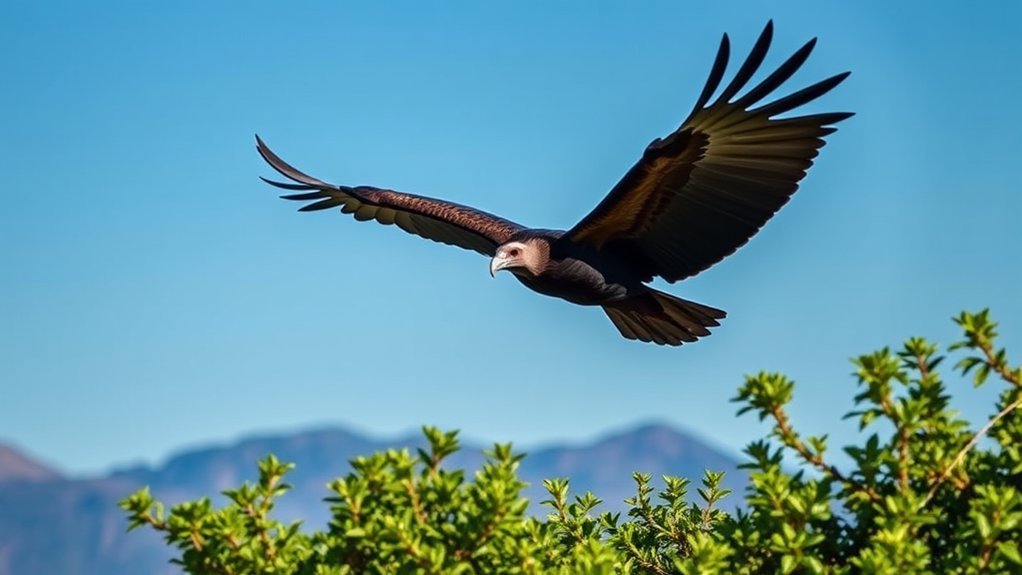
The Turkey Vulture plays an important role in North Carolina's ecosystem. These birds are efficient scavengers. They find decaying carcasses using their strong sense of smell. By doing this, they help prevent the spread of diseases that could harm wildlife and humans.
Turkey Vultures have dark feathers and bald heads, which help them consume carrion effectively. They recycle nutrients back into the soil through their feeding.
You may see Turkey Vultures soaring in the sky. Their flight helps them save energy while searching for food. Appreciating these birds can deepen your understanding of their vital role in maintaining ecological balance in the area.
Osprey: The Fish Hawk
Ospreys are well-known fish hawks in North Carolina.
They're skilled hunters, primarily catching fish by diving into rivers, lakes, and coastal areas. Ospreys have strong talons and reversible outer toes that help them grip fish with great accuracy.
These birds like to nest near water. They often build large nests made of sticks on trees, platforms, or man-made structures.
During breeding season, adult Ospreys protect their territory and care for their young. Their adaptability and hunting skills make them important to North Carolina's ecosystem.
Observing Ospreys is a captivating experience for nature lovers.
Red-tailed Hawk: The Majestic Hunter
The Red-tailed Hawk is a well-known bird of prey in North Carolina. It flies above fields and forests with grace. This hawk has sharp eyesight that helps it hunt efficiently. It uses two main hunting methods: soaring and stooping. This allows it to catch small mammals, birds, and reptiles.
During nesting season, Red-tailed Hawks show strong family behaviors. They often return to the same nesting site each year. They build large nests high in trees to protect their young.
Once the eggs hatch, both parents feed the chicks. This teamwork strengthens their family bond.
Watching these hawks in nature enhances your understanding of their importance in the ecosystem.
Common Loon: The Ghost of the Lakes
The Common Loon is often heard before it's seen. Its haunting calls echo across North Carolina's lakes. These calls help loons communicate and show their strong connection to their lake homes.
You can find these beautiful birds in many freshwater environments where they thrive. They prefer calm areas with plenty of fish. Their striking black and white feathers stand out against the sparkling water. However, they can be hard to spot, which adds to their charm.
Watching a Common Loon dive underwater for food while hearing its eerie call creates a powerful link to nature. This moment enhances your appreciation for the diverse ecosystems and unique species found in North Carolina.
Observing these loons can be both informative and enjoyable, making it a rewarding experience for all who appreciate wildlife.
Wood Stork: The Unique Forager
The Wood Stork is a large wading bird that lives in the wetlands of North Carolina. This bird stands out because of its special foraging technique called "tactile foraging." The stork uses its bill to sweep through shallow water to catch fish and small invertebrates.
Wood Storks often feed in groups. This teamwork helps them find food and enhances their social interactions.
When they nest, they prefer to stay close to water to ensure easy access to food.
During migration, Wood Storks adapt to changing environmental conditions. This ability shows their resilience.
Conservation efforts are important to protect their habitats. It helps ensure that future generations can enjoy watching these amazing birds.
Northern Goshawk: The Fierce Protector
The Northern Goshawk stands out in North Carolina's forests. This hawk hunts with speed and skill, often catching small mammals and birds in mid-air.
It prefers to nest in thick forests, where it displays strong territorial behavior. Unfortunately, habitat destruction threatens its population.
Most Northern Goshawks stay in one area, while some migrate at certain times. Their sharp calls serve as warnings and mark their territory, showing their dedication to protecting their environment.
This bird's fierce nature makes it a captivating part of the local ecosystem.
Black Vulture: The Social Scavenger
The Black Vulture is an important bird in North Carolina. It's known for its scavenging skills. These birds often roost together, showing their social nature. They primarily feed on dead animals, which highlights their role as scavengers.
Black Vultures prefer open areas near forests and urban settings, showing their ability to adapt to different environments.
They nest in tree cavities or crevices, which helps them survive. When they fly, they make sharp turns that help them find food more efficiently.
Although they face some issues, Black Vultures have a stable conservation status. They can thrive in urban areas, which shows their interaction with human communities.
Snowy Egret: The Striking Wader
Snowy Egrets have striking white feathers and an elegant appearance. They attract birdwatchers and nature lovers in North Carolina.
These birds live in shallow coastal waters, marshes, and estuaries. They use slender legs to hunt for prey like fish and crustaceans.
During breeding season, their feathers change color as they grow beautiful plumes. They often nest in groups, showing their social behavior.
Conservation efforts aim to protect their habitats to support migration and ensure stable populations. Learning about their nesting habits and preferred environments helps you appreciate these amazing birds and North Carolina's rich birdlife.
Whooping Crane: The Rare Beauty
The Whooping Crane is a striking bird found in North Carolina. Known for its tall, elegant frame, it's easy to spot with its black-tipped wings and red crown.
These cranes migrate thousands of miles each year between their breeding and wintering grounds. Despite their beauty, Whooping Cranes are endangered, making conservation crucial.
Efforts include restoring habitats and breeding programs to protect them. Supporting these initiatives helps ensure that future generations can see these magnificent birds in nature, deepening our appreciation for North Carolina's wildlife.
Frequently Asked Questions
What Are the Largest Bird Species Found in North Carolina?
North Carolina hosts some of the largest bird species in the U.S. The Bald Eagle and the Red-tailed Hawk are two notable raptors found in the state. The Bald Eagle has a wingspan that can reach up to 7 feet. It hunts fish and small animals. The Red-tailed Hawk, with a wingspan of about 4 feet, preys on rodents and small birds.
Along the coast, you can spot waterbirds like the Great Egret. The Great Egret stands tall with a wingspan of about 4.5 feet. It often hunts fish in marshy areas.
These birds showcase North Carolina's rich variety of wildlife. Birdwatchers and nature lovers enjoy observing these magnificent species in their natural habitats.
How Can I Identify Different Bird Calls of Large Birds?
To identify different bird calls, listen for distinct sound patterns. Pay attention to the pitch, rhythm, and length of the calls. Use recordings to practice your recognition skills. Recognizing variations helps you tell species apart and appreciate their unique sounds better. Enjoy the process of exploring bird calls!
Are Any Large Birds in North Carolina Endangered?
Yes, North Carolina has several large birds that are endangered. Conservation efforts work to protect their habitats and ensure their survival. You can help these impressive birds by staying informed and participating in local conservation activities.
What Habitats Do Large Birds Prefer in North Carolina?
Large birds in North Carolina prefer a variety of habitats. They commonly nest and find food in forest ecosystems. These forests provide essential resources for their survival. Additionally, large birds depend on wetland areas for food. Wetlands offer a rich source of prey, helping to sustain these animals. Protecting these habitats is vital for maintaining local biodiversity.
How Can I Attract Large Birds to My Backyard?
To attract large birds, place bird feeders in your yard with seeds they prefer. Use sunflower seeds and peanuts, as these are favorites of many large bird species. Install nesting boxes that resemble their natural habitats, providing safe spaces for them to breed. This effort creates a friendly environment, encouraging large birds to visit regularly. Keep your backyard clean and free of pets, as this will make it safer for the birds. Enjoy watching these beautiful creatures as they visit your space!

Ava is a bird enthusiast and nature lover who has spent countless hours observing and learning about the fascinating world of birds. With a passion for sharing her knowledge and inspiring others to appreciate the beauty of birds, Ava writes about her experiences and insights on avianadmirer.com.