South Carolina State Bird: The Eastern Carolina Wren
The Eastern Carolina Wren is important to South Carolina's ecosystem. This small bird has a unique song and is adaptable to various environments. It helps control pests and demonstrates nesting behaviors that reflect the health of local areas. The wren is a key part of South Carolina's natural heritage. It also has a strong connection with the people living in the region. Exploring its significance can deepen our appreciation for this bird and its role in our lives.
Key Takeaways
The Eastern Carolina Wren is the state bird of South Carolina. It represents the state's diverse ecosystems and wildlife. This small bird lives in many environments, including woodlands, wetlands, and gardens in the southeastern United States.
The Eastern Carolina Wren helps control insect populations, which supports the ecological health of its surroundings. Birdwatchers and nature lovers enjoy observing its curious behavior. Additionally, the wren's cheerful songs create a joyful atmosphere for residents of South Carolina, fostering a deep connection to nature.
Overview of the Eastern Carolina Wren

The Eastern Carolina Wren is a unique subspecies of the common wren. It thrives in the varied habitats of the southeastern United States. This bird prefers dense, shrubby areas such as wetlands, woodlands, and suburban gardens. These environments provide cover and food.
The Eastern Carolina Wren's cheerful songs fill these spaces, connecting them to their homes. Their small size and active behavior symbolize community and belonging. They often search for food in pairs or family groups.
Observing the Eastern Carolina Wren can deepen your connection to nature and its relationships. This wren highlights resilience and resourcefulness in its ecosystem.
Physical Description
The Eastern Carolina Wren measures between 4.5 to 5.5 inches in length. This small bird has a strong body and a long, curved tail that often stands upright.
Its brown plumage features delicate patterns, including soft streaks on the back and lighter colors on the underside. This coloring helps the wren blend into its surroundings.
The wren has a stout, slightly curved bill, perfect for catching insects. Its bright eyes add to its lively and curious look.
The combination of its size, feather patterns, and unique traits makes the Eastern Carolina Wren a favorite among bird watchers.
Habitat and Distribution

Eastern Carolina Wrens inhabit various environments in the southeastern United States. Their preferred habitats include:
- Wooded Areas: They like dense underbrush and thickets.
- Suburban Gardens: They're common in backyards and gardens.
- Wetlands: They frequent the shrubby edges of ponds and marshes.
- Open Forests: They can be seen in lower levels of mixed woodlands.
These birds adapt well to different surroundings, which helps them thrive across the region.
Their range stretches from coastal plains to higher elevations, showing their ability to withstand environmental changes.
Observing these vibrant birds in diverse settings adds to the joy of birdwatching.
Diet and Feeding Habits
Eastern Carolina Wrens adapt to their habitats by eating a variety of foods. Their main diet consists of insects, such as beetles, caterpillars, and spiders.
They've unique ways of finding food, like flicking leaves and probing crevices to uncover hidden insects. This skill helps them catch their favorite meals and shows their ability to adjust to their environment.
Besides insects, they may also eat fruits and seeds.
Nesting and Reproduction

Eastern Carolina Wrens have strong nesting and reproduction strategies, which support their population growth.
These birds have unique breeding habits and select specific sites for nesting that enhance their success in raising chicks.
- Nesting Locations: They prefer thick plants like shrubs or underbrush for nesting.
- Nesting Materials: Wrens use twigs, leaves, and grasses to build their nests.
- Clutch Size: A female typically lays 4 to 6 eggs during each breeding cycle.
- Incubation Period: The eggs hatch after about 12 to 16 days of incubation.
These strategies make Eastern Carolina Wrens fascinating birds to observe, as they adapt their nesting practices to ensure their chicks thrive in a variety of environments.
Behavior and Social Structure
While observing the Eastern Carolina Wren, you'll notice their social behaviors and interactions within their territories.
These small birds display interesting social activities, especially during breeding seasons. Males create and defend their territories using clear body language and vocal sounds to show dominance and attract females. You'll often see them confront rivals, demonstrating their territorial behavior.
Outside of mating season, they form family groups, which help them work together for better survival. This grouping helps in foraging and avoiding predators.
Vocalizations and Communication
The Eastern Carolina Wren has a variety of vocalizations that are important for communication and social interactions.
These birds use clear song patterns and distinct signals to share messages with one another. Here are four key vocalizations to listen for:
- Territorial Calls: Loud songs that declare dominance in a specific area.
- Mating Duets: Vocalizations between mates that strengthen their bond.
- Alarm Calls: Quick notes that warn of potential dangers.
- Chatter: Short sounds used during interactions with other members of their group.
Role in Ecosystem
The Eastern Carolina Wren plays five key roles in its ecosystem. First, it consumes insects, helping to control their populations. This helps protect plants from being eaten by too many herbivores.
Second, the wren becomes food for various predators, which connects different parts of the food web.
Third, its nesting behaviors create small homes for other organisms, encouraging species interactions.
Fourth, while foraging, the wren spreads seeds, which boosts plant diversity and stability.
Finally, its distinct calls help communicate with other wrens, strengthening social bonds.
Together, these roles show how important the Eastern Carolina Wren is to maintaining a healthy environment.
Conservation Status
The Eastern Carolina Wren is well-adapted to different environments, but its conservation status is a concern due to habitat loss and climate change.
To help this lovely bird, consider taking part in these conservation efforts:
- Support local conservation groups that protect natural habitats.
- Join citizen science projects that track wren populations and their homes.
- Use sustainable landscaping methods to create a welcoming space for wrens in your yard.
- Promote policies that focus on wetland and forest preservation, which are crucial for the wren's survival.
Engaging in these activities can make a difference in protecting the Eastern Carolina Wren and its habitat.
Cultural Significance in South Carolina
The Eastern Carolina Wren is important for South Carolina's culture. This small bird is part of local folklore and appears in stories and songs that reflect the region's history. It symbolizes resilience and adaptability, qualities valued by many people in South Carolina.
The wren appears in various forms of art and community events, helping to create a sense of belonging. Recognizing these cultural ties deepens appreciation for the wren and its role in the state's narrative.
Protecting the Eastern Carolina Wren means preserving biodiversity and safeguarding South Carolina's cultural story. By supporting its conservation, you contribute to both nature and heritage.
Birdwatching Tips for Spotting the Eastern Carolina Wren
Spotting the Eastern Carolina Wren is an enjoyable challenge for birdwatchers. Use these tips to improve your chances of seeing one:
- Find Good Spots: Look in dense bushes and thickets near water. These are where Carolina Wrens like to live.
- Use Your Binoculars: Keep your binoculars ready. Practice moving them smoothly to follow the bird without shaking.
- Listen Carefully: The wren has a unique song. Learn its calls to help locate the bird.
- Stay Patient: These birds can be hard to see. Being quiet and still will help you spot them more easily.
Enjoy your birdwatching!
Fun Facts About the Eastern Carolina Wren
The Eastern Carolina Wren is a small and colorful bird that captivates both birdwatchers and nature lovers. This wren can sing many songs. These songs help them mark their territory and attract mates.
You can observe their lively behavior as they hop between branches. They're curious and playful, making them enjoyable to watch.
The wren builds secure nests using leaves and twigs, showing their resourcefulness.
This mix of unique traits makes the Eastern Carolina Wren an important part of its environment and a delight to encounter in nature.
Frequently Asked Questions
What Is the Lifespan of the Eastern Carolina Wren?
The Eastern Carolina Wren typically lives for about 2 to 3 years. However, its lifespan can vary based on habitat quality and predation. In good conditions, some wrens may live longer.
How Can I Attract Eastern Carolina Wrens to My Backyard?
To attract Eastern Carolina Wrens, create welcoming habitats by planting dense shrubs and vines. Set up feeding stations with suet and seeds. Their natural curiosity will draw them to your backyard, encouraging them to explore and settle in your area. Watching these lively birds can bring joy and a sense of connection to nature. Make your yard a haven for them, and enjoy their cheerful songs and energetic movements.
Are Eastern Carolina Wrens Migratory or Resident Birds?
Eastern Carolina wrens are resident birds. They prefer habitats with dense underbrush. They breed in these specific areas and do not migrate long distances. Their behaviors and habits connect closely with their local environment.
What Threats Do Eastern Carolina Wrens Face in the Wild?
Eastern Carolina wrens face serious threats in the wild. Habitat loss due to urban development and agriculture reduces their living space. Predation from domestic cats and other animals increases their risks and affects their survival. These challenges impact the stability of their populations. Protecting their habitat and reducing threats from predators are essential for their well-being.
How Do Eastern Carolina Wrens Care for Their Young?
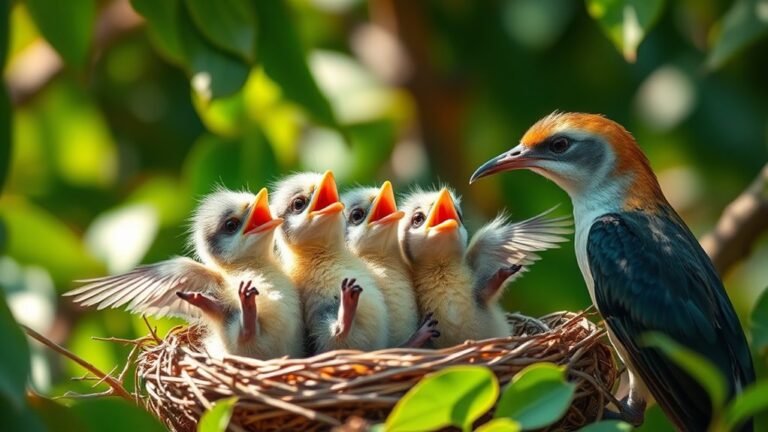
Eastern Carolina wrens show strong parenting skills. They build nests in different places and take care of their young. The parents feed the chicks a diet rich in insects, which helps them grow healthy. This care creates a close family bond. Watching them nurture their young is a rewarding experience.

Ava is a bird enthusiast and nature lover who has spent countless hours observing and learning about the fascinating world of birds. With a passion for sharing her knowledge and inspiring others to appreciate the beauty of birds, Ava writes about her experiences and insights on avianadmirer.com.