
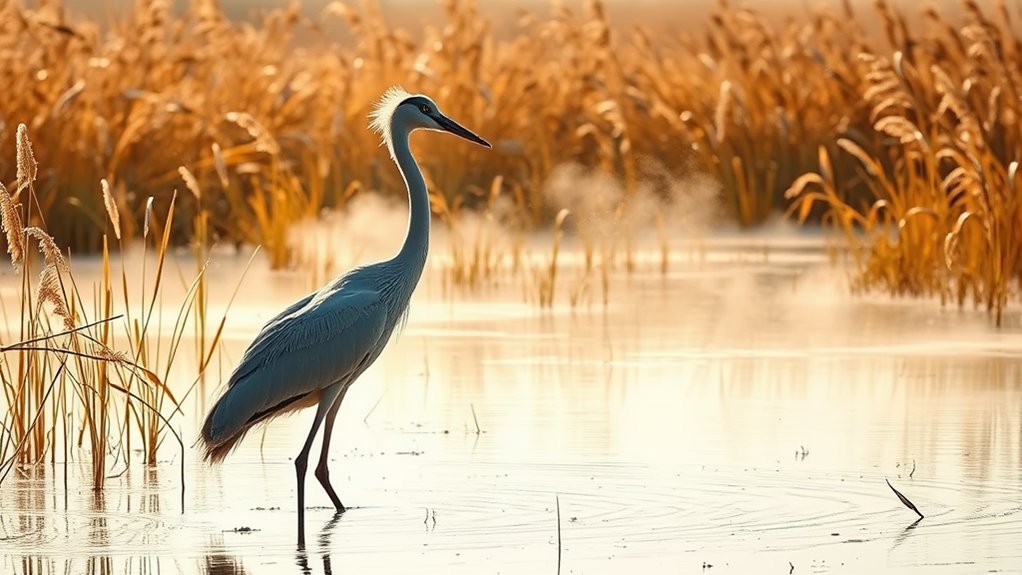
Crane-Like Birds: Graceful Giants of Wetlands
Crane-like birds gracefully wade through wetlands. Their elegance captivates observers, showcasing their beauty and importance. These birds contribute significantly to their ecosystems. They help maintain the balance of their habitat, offering benefits such as pest control and seed dispersal.
Understanding crane-like birds' habitats and behaviors highlights their essential roles. These creatures face various challenges, including habitat loss and climate change. Protecting them requires awareness and action. We can support conservation efforts and preserve wetlands, ensuring these majestic birds thrive. Together, we can make a difference for these incredible species.
Key Takeaways
Crane-like birds live in wetlands and open grasslands. They thrive in water-rich areas that support their food and nesting needs.
Their long legs and necks help them wade and find food easily. This ability allows them to adapt to different environments.
During courtship, cranes perform dances and use mating calls. These behaviors attract mates and enhance their beauty.
Cranes help the environment by controlling insect numbers, spreading seeds, and enriching soils through their nesting habits.
To protect cranes from habitat loss and climate change, conservation efforts are essential. These measures support their survival and well-being.
Habitat and Distribution of Crane-Like Birds
Crane-like birds live in wetlands and open grasslands. These birds thrive in ecosystems rich in water, where they find food and places to nest.
They migrate long distances, sometimes covering thousands of miles between their breeding and wintering areas. During migration, they stop at key habitats that provide essential resources.
Unique Physical Characteristics
Crane-like birds stand out due to their impressive physical features. These birds possess traits that allow them to thrive in wetland environments.
Here are their notable characteristics:
- Long, slender legs help them wade through water easily.
- Intricate feather patterns attract attention and offer effective camouflage.
- Extended necks assist with foraging and add to their graceful appearance.
- Large wingspans enable soaring flights, enhancing their majestic look.
These features not only showcase their beauty but also highlight their ability to adapt to various ecosystems.
Courtship and Mating Rituals
During the breeding season, these elegant birds showcase impressive courtship displays. They perform captivating dance routines, where each movement highlights their grace and synchronization.
As they jump and bow, their feathers shine in the sunlight, creating a stunning view. Their mating calls fill the air, echoing across the wetlands and attracting potential mates. Each sound and movement conveys attraction and ritual, building strong connections.
Observing these displays reveals the vibrancy of life and the importance of belonging within the ecosystem. It emphasizes the close relationships that exist in nature.
Ecological Importance of Cranes
Cranes play a vital role in maintaining ecological balance. Their beautiful courtship rituals also reflect their positive impact on wetland ecosystems.
- Cranes control insect populations by eating larvae and small invertebrates.
- They assist in seed dispersal, which helps increase plant diversity.
- Their nesting activities create habitats for various animals.
- They contribute to nutrient cycling, which enriches the soil.
Through these actions, cranes support the health of their environments, showcasing their importance in nature.
Conservation Challenges and Efforts
Cranes are beautiful and graceful birds, but their populations face serious conservation challenges. Habitat destruction, pollution, and climate change threaten their survival. Cranes depend on wetlands for their habitat, but these essential ecosystems are disappearing quickly.
You can make a difference as part of a community focused on conservation. Support local organizations that work to restore habitats and promote sustainable practices. You can also participate in citizen science projects. Every action counts!
By raising awareness about the threats cranes face, you can motivate others to take action. Together, your combined efforts can help protect these majestic birds and their habitats.
This way, we can ensure that cranes continue to thrive in our environment for future generations.
Frequently Asked Questions
What Do Crane-Like Birds Eat in the Wild?
Crane-like birds eat a variety of foods in the wild. Their main diet consists of plants, insects, and small fish. These birds adapt their eating habits based on their environment. Each sighting offers a chance to observe how they search for food. It can be a fascinating experience to watch their unique foraging behaviors.
How Long Do Crane-Like Birds Typically Live?
Crane-like birds usually live between 20 and 40 years. Their lifespan can vary based on factors like habitat quality and food availability. Predation and climate also affect their life expectancy. Each bird faces different challenges that shape its unique life journey.
Are Crane-Like Birds Monogamous for Life?
Crane-like birds are often monogamous for life. They show strong bonds through their courtship behaviors and nesting habits. This loyalty highlights the value of connection in relationships.
What Predators Threaten Crane-Like Birds?
Crane-like birds face serious threats from habitat loss and hunting. Urban development destroys their natural homes. Poaching also puts their survival at risk. These factors make it hard for these beautiful birds to thrive in areas where they once lived freely. Protecting their habitats is essential for their future.
Can Crane-Like Birds Fly Long Distances?
Crane-like birds can fly long distances. They are strong fliers and migrate thousands of miles between their breeding and wintering areas. Their journeys are impressive, showing their stamina and grace. Watching them soar through the sky is a beautiful sight, and it highlights the wonders of nature.

Ava is a bird enthusiast and nature lover who has spent countless hours observing and learning about the fascinating world of birds. With a passion for sharing her knowledge and inspiring others to appreciate the beauty of birds, Ava writes about her experiences and insights on avianadmirer.com.